Short Answer
Have you ever wondered what it feels like to embark on a deeply spiritual journey, one that intertwines individual faith with cherished community traditions? First Communion—an event filled with joy, reverence, and personal significance—offers a rich tapestry of meaning and practice within the Christian faith, particularly in Catholicism. But what exactly does this sacred rite entail? How do varying traditions shape the experience, and what is required for proper preparation?
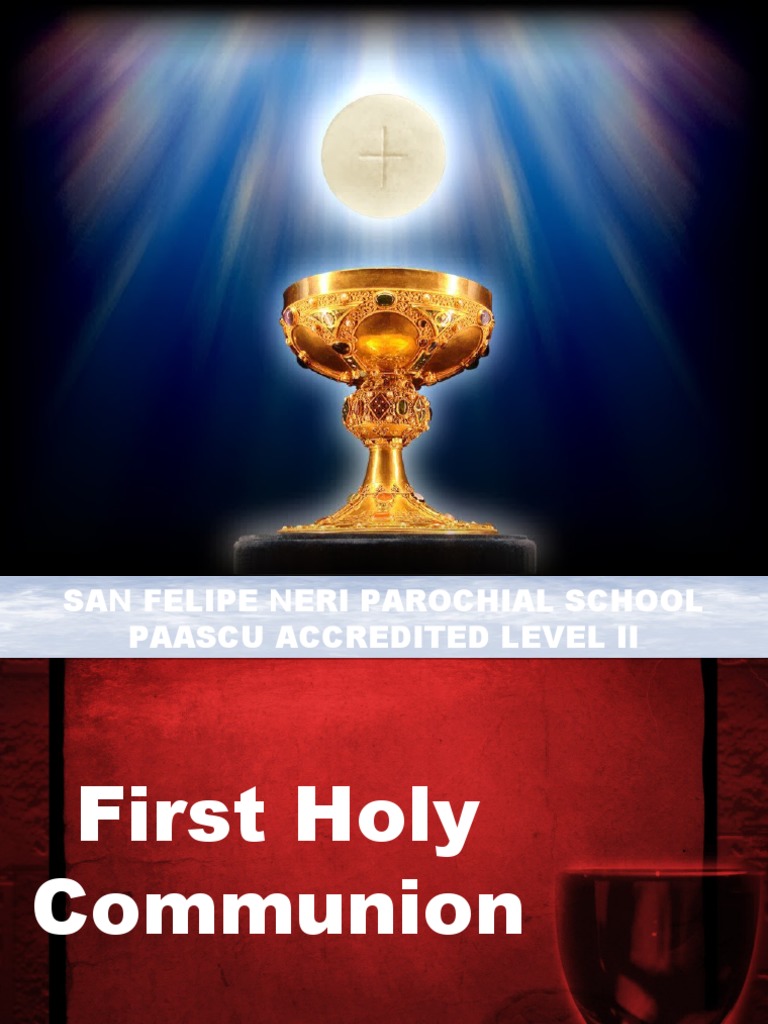
To delve into the essence of First Communion, we must first grasp its fundamental meaning. At its core, First Communion represents a child’s initiation into the Eucharistic celebration, where believers partake of the body and blood of Christ. This sacrament embodies one of the central tenets of Christian doctrine—the belief in Jesus’ real presence in the consecrated elements of bread and wine. For many families, this is much more than a ceremonial act; it signifies a profound commitment to faith and community. Imagine a young one, clad in white attire, representing purity and innocence, taking a pivotal step on a spiritual path that resonates throughout their life.
The significance of First Communion can hardly be overstated. Traditionally taking place around the age of seven or eight—often referred to as the ‘age of reason’—the event marks a watershed moment in the spiritual development of a child. It is a time when they transition from mere participants in church life to active recipients of the sacraments. This rite invokes the idea of communion not only with God but also with the wider community of believers. Such communal aspects are pivotal, as they reinforce relationships with family and the faith community, instilling a sense of belonging and shared belief.
Traditions surrounding First Communion vary widely, each culture bringing its own nuances to the occasion. In Italy, for instance, families often celebrate with a feast that includes specific dishes, such as pasta and pastries, symbolising abundance and joy. In contrast, Latin American countries frequently accompany the sacrament with grand celebrations—parades, music, and elaborate decorations form an integral part of the festivities. These cultural variances illustrate how First Communion transcends mere spiritual observance, evolving into a social milestone that enhances familial bonds.
As the day approaches, preparation takes on a multi-faceted approach. Typically, children participate in catechetical classes designed to educate them about the meaning of the Eucharist and the foundational beliefs of their faith. This educational component aims to deepen their understanding, ensuring that the child wholeheartedly appreciates the gravity of the sacrament. Many families underscore the importance of this preparation by integrating prayer, personal reflection, and discussions about their faith—a meaningful process that promotes spiritual growth.
The attire worn during First Communion also holds symbolic importance. Traditionally, boys don suits, while girls often wear white dresses, sometimes accompanied by veils. Each element—from the colour white, symbolising purity, to the adornments that signify familial and cultural heritage—serves to visually express the sanctity of the event. It is a moment steeped in aesthetics, where every detail contributes to the solemnity of the day. Yet, perhaps the pivotal question remains: Are these ceremonies about mere appearances, or do they serve a deeper purpose?
The day of First Communion is a momentous occasion, full of anticipation and excitement. Families gather for a special Mass, during which the children receive their First Communion. The ceremony is typically marked by beautiful music, prayers, and a homily that reinforces the importance of this sacrament. Engaging in collective worship further deepens the community aspect of the ceremony; it is a chance to rejoice together, affirming shared beliefs and values.
Post-ceremony festivities are often a highlight, as families host celebrations that range from intimate gatherings to grand receptions. These gatherings function not only as celebrations of the child’s accomplishment but also as an opportunity to express gratitude to God and the church community. Gifts and cards are often exchanged, further embedding the essence of community and familial ties into the experience. As the child savours cake and laughter, they gain not just spiritual nourishment but also a real-world understanding of how faith permeates daily life.
Yet, what challenges may arise during this significant transition? Navigating the emotional, educational, and logistical aspects of First Communion can prove daunting for families. There are contentious decisions about venues, attire, and guest lists. Not to mention the pressure to conform to community expectations while embedding personal elements into the celebration. This tension between tradition and individuality begs contemplation: How can families ease this potential stress while honouring the sacredness of the occasion?
The journey toward First Communion is more than just about the ceremony itself; it is about fostering lifelong spiritual growth. As children embark on this path, parents and guardians have a vital role to play. They must nurture their child’s burgeoning faith, facilitate discussions about spiritual beliefs, and encourage questions about God and the church. This ongoing mentorship paves the way for not only a memorable First Communion but also a lasting, meaningful relationship with faith.
In conclusion, First Communion is a rite steeped in tradition, spirituality, and community. It marks a significant milestone in a child’s faith journey, representing both a personal commitment and a collective celebration. By understanding its meaning, honouring diverse traditions, and preparing thoughtfully, families can ensure that this moment becomes a cherished memory, fostering a connection to God, church, and community that lasts a lifetime.
FAQ
What is the significance of First Communion?
First Communion represents a child’s initiation into the Eucharistic celebration, marking a pivotal moment in their spiritual development.
What preparations are involved for First Communion?
Children typically participate in catechetical classes and family discussions to deepen their understanding of the sacrament.
What traditions are associated with First Communion?
Traditions vary by culture, with celebrations often including special attire, communal feasts, and family gatherings.




Leave a Reply