Short Answer
As expectant mothers approach their due dates, the anticipation and anxiety surrounding the birthing process often intensify. In this context, various natural methods for inducing labour have gained popularity, among which reflexology stands out as a holistic modality that may facilitate a smoother transition into motherhood. This article delves into the myriad benefits, safety considerations, and empirical evidence associated with reflexology and its potential influence on labour induction.
Understanding Reflexology
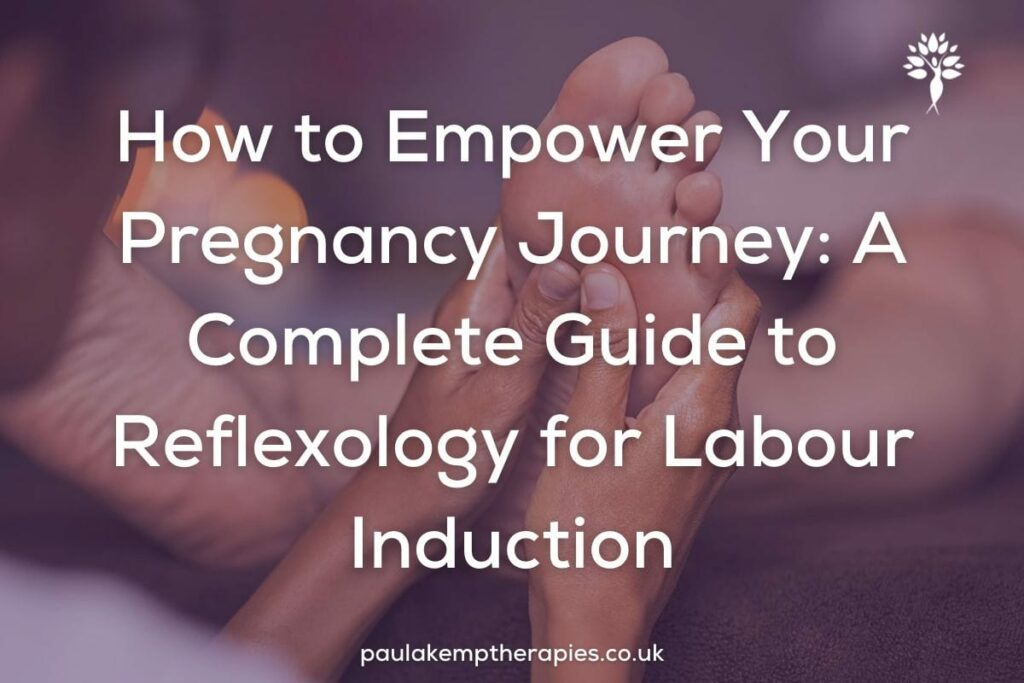
Reflexology is a therapeutic practice that involves the application of pressure to specific points on the feet, hands, and ears. The underlying premise is that these reflex points correspond to different organs and systems within the body. By stimulating these areas, practitioners aim to promote relaxation, alleviate tension, and restore balance to the body’s natural functions. For pregnant women, reflexology may provide not only a means of relaxation but also a pathway to encourage labour through natural stimulation.
Benefits of Reflexology in Pregnant Women
The overarching benefit of reflexology during pregnancy lies in its ability to foster relaxation and reduce stress levels. Anxiety and tension can hinder the body’s natural processes, including the onset of labour. Furthermore, reflexology may alleviate various discomforts associated with pregnancy. These include:
- Reduced Pain: Reflexology is reputed to alleviate conditions such as back pain, pelvic discomfort, and general aches, making the final trimester more manageable.
- Improved Sleep: Many women struggle with sleep disturbances as they approach their due dates. Reflexology may promote deeper and more restorative sleep.
- Enhanced Mood: Hormonal fluctuations can lead to mood swings. Reflexology sessions can induce a sense of calm, aiding emotional well-being.
- Preparation for Labour: Certain reflex points are believed to stimulate uterine contractions and encourage the cervix to prepare for the birthing process.
The Mechanisms Behind Labour Induction
Reflexology is suggested to support natural labour induction through several mechanisms. By stimulating specific reflex points, practitioners may activate hormonal changes that promote uterine contractions such as:
- Oxytocin Release: Often referred to as the “love hormone,” oxytocin plays a pivotal role in initiating and maintaining contractions. Reflexology may help trigger its release, potentially bringing on labour.
- Encouragement of Blood Flow: Improved circulation to the pelvic area may enhance the body’s ability to prepare for labour, nourishing the reproductive organs and encouraging viable contractions.
- Relaxation Response: The relaxation induced by reflexology can reduce stress hormones, subsequently allowing the body to engage more freely in the labour process.
Safety Considerations
Though reflexology is generally deemed safe for pregnant women, certain considerations must be taken into account. It is essential for individuals to consult with healthcare professionals before embarking on any reflexology regimen, especially during pregnancy. Here are crucial safety points to ponder:
- Qualified Practitioners: Always seek services from certified reflexologists who have specific training in prenatal reflexology. Misapplication of techniques could result in adverse effects.
- Avoid Certain Pressure Points: Some reflex points, particularly in the ankles and lower back, are thought to stimulate labour. A qualified practitioner will know which areas to avoid in early pregnancy.
- Listen to Your Body: Each pregnancy is unique. If any discomfort arises during a session, clients should communicate openly with their practitioner.
Evidence and Research
The scientific literature on reflexology in the context of labour induction is still evolving. However, several studies have attempted to evaluate its efficacy. Research findings suggest mixed outcomes, highlighting the complexity of measuring such holistic practices. Some women have reported a positive experience, claiming that reflexology helped initiate labour or made their birthing experience more pleasant. A few studies have shown that reflexology may shorten the duration of labour, although rigorous clinical trials are necessary to solidify these claims.
In addition, anecdotal evidence from practitioners and patients indicates that reflexology can play a supportive role in preparing the body for labour. It’s important to note that while reflexology may be beneficial, it should not be viewed as a standalone solution for inducing labour. It is most effective when combined with other complementary practices, including proper prenatal care, exercise, and adequate nutrition.
Conclusion
Reflexology presents an intriguing option for pregnant women seeking natural methods to induce labour and enhance their overall pregnancy experience. Its myriad benefits, from pain relief to emotional well-being, make it a valuable tool for many women during the final weeks of gestation. However, understanding the safety implications and relying on qualified professionals is essential. While the evidence surrounding reflexology’s effectiveness in inducing labour remains inconclusive, the personal testimonies and reported experiences from mothers suggest it could play a supportive role in one’s pregnancy journey. As the medical landscape evolves, continued exploration and research into reflexology could further elucidate its place in maternal care.
FAQ
What is reflexology?
Reflexology is a therapeutic practice involving pressure applied to specific points on the feet, hands, and ears, believed to correspond to various organs and systems in the body.
Is reflexology safe during pregnancy?
While generally considered safe, pregnant women should consult healthcare professionals and seek qualified practitioners to avoid potential risks.
Can reflexology help induce labor?
Some believe that reflexology can encourage labor by stimulating reflex points that may promote hormonal changes and uterine contractions.


Leave a Reply