Short Answer
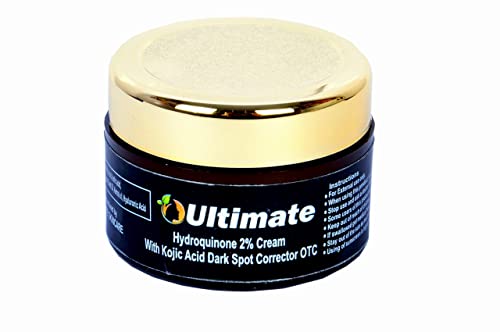
Have you ever gazed into the mirror and wished for a brighter, more even complexion? The pursuit of flawless skin is as old as time, but with so many products on the market, it can be a daunting challenge. As skincare enthusiasts, we often find ourselves bombarded by countless creams, serums, and treatments. Among these, one ingredient stands out for its remarkable skin-brightening capabilities: hydroquinone. But what exactly is hydroquinone, and how can it enhance your skincare routine? Let’s delve into the world of creams containing hydroquinone in the UK, exploring their uses, safety considerations, and a comprehensive buying guide.
Understanding Hydroquinone
Hydroquinone is a powerful skin-lightening agent primarily used to treat hyperpigmentation issues such as melasma, age spots, and post-inflammatory hyperpigmentation. It works by inhibiting the enzyme tyrosinase, which plays a vital role in melanin production. By reducing the amount of melanin in the skin, hydroquinone promotes a more uniform skin tone, making it a go-to option for those seeking to diminish dark patches and achieve a radiant complexion.
While this ingredient boasts impressive efficacy, it often raises questions about its safety and potential side effects. Is hydroquinone safe for prolonged use? Are there any alternatives worth considering? Such inquiries are not only valid but essential for making informed skincare choices.

Uses of Hydroquinone Creams
Hydroquinone creams are primarily employed for their skin-lightening properties, but they serve multiple purposes in skincare. Here are some common uses:
- Melasma Treatment: Many individuals experience melasma during hormonal changes, which can lead to uneven pigmentation. Hydroquinone creams can help mitigate these manifestations effectively.
- Age Spots and Sun Damage: As skin ages, sun exposure may result in dark spots and uneven colouring. Hydroquinone can aid in reducing the appearance of these blemishes.
- Post-Inflammatory Hyperpigmentation: Following skin trauma, such as acne scars or cuts, hyperpigmentation may occur. Hydroquinone can assist in fading these marks.
- Prep for Cosmetic Procedures: Some dermatologists recommend hydroquinone usage before cosmetic treatments like chemical peels to enhance results.
However, while these uses highlight the potential benefits of hydroquinone, there also exist instances when caution is warranted.
Safety and Side Effects
As with any potent ingredient, the usage of hydroquinone should be approached with prudence. In the UK, over-the-counter hydroquinone products typically contain a concentration of 2%, while higher concentrations require a prescription. Prolonged use may lead to some undesirable effects, including:
- Skin Irritation: Redness, dryness, and peeling may occur, especially with initial use.
- Ochronosis: This rare condition is characterised by a bluish-black discolouration of the skin due to excessive use of hydroquinone.
- Photosensitivity: Hydroquinone can make the skin more sensitive to sunlight, necessitating vigilant sun protection.
- Allergic Reactions: Some individuals may experience allergic responses, manifesting in hives or severe rash.
Thus, it is crucial to conduct a patch test before applying hydroquinone creams more broadly and to consult a dermatologist for personalised advice, especially for those with sensitive skin or pre-existing conditions.
Buying Guide for Hydroquinone Creams in the UK
When considering adding a hydroquinone cream to your skincare arsenal, it’s imperative to ensure that your choice is both effective and safe. Here are some pointers to guide your purchase:
- Check the Concentration: Look for products with a hydroquinone concentration of 2% if buying over the counter. If a higher concentration is required, seek a prescription from a qualified professional.
- Read Ingredients: Ensure the formulation includes additional beneficial ingredients such as antioxidants, moisturisers, or anti-inflammatory agents that can enhance the overall effects and mitigate side effects.
- Size of the Product: Consider the size versus cost. Higher-priced products may offer better formulations and results, making them a worthwhile investment.
- Brand Reputation: Choose reputable brands known for their commitment to safety and efficacy. Reading customer reviews can provide insights into the product’s performance.
- Look for GMP Certification: Products manufactured following Good Manufacturing Practices ensure safety and quality control.
- Consultation: Don’t hesitate to consult with a dermatologist, especially if you’re uncertain about the right product for your skin type.
Conclusion
The desire for bright, even-toned skin is common, yet the journey can be fraught with challenges. Hydroquinone creams offer powerful solutions for pigmentation issues, but they require careful handling and understanding of their potential effects. As with any skincare product, knowledge is paramount; your radiant complexion lies just a savvy purchase and informed choice away. Are you ready to embark on your quest for luminous skin with hydroquinone? The challenge awaits, but with the right tools, success is within your reach.
FAQ
Is hydroquinone safe for all skin types?
Hydroquinone can cause skin irritation and is not recommended for individuals with sensitive skin without consulting a dermatologist.
How long should I use hydroquinone?
Hydroquinone should generally be used for a limited time, and prolonged use requires medical supervision to avoid side effects.



Leave a Reply