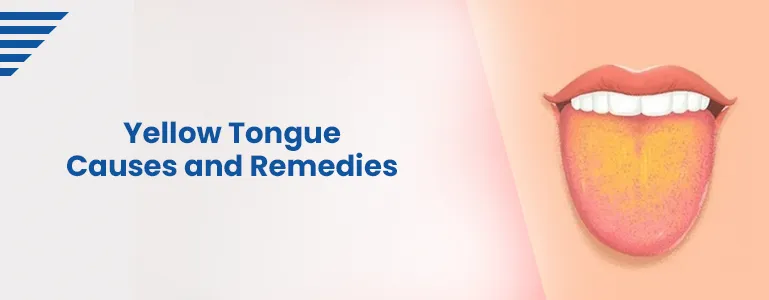
Short Answer
Have you ever looked in the mirror, spotted that unsightly yellow hue on the roof of your mouth, and thought to yourself, “What on earth is that?” If so, you are not alone. This curious condition can provoke concern and curiosity alike, leaving many to wonder about its underlying causes, symptoms, and possible treatments. The appearance of yellow discoloration in your oral cavity can be perplexing, yet it often comes with a wealth of information that can guide you toward a solution.
Let’s delve into the myriad factors that could be contributing to this phenomenon, drawing on a range of possibilities from the benign to the more complex, whilst equipping you with the necessary knowledge to tackle this condition head-on.
Potential Causes of Yellowing in the Oral Cavity
The colour of the roof of your mouth can reveal a lot about your health. A yellowish tint could stem from various factors, ranging from dietary choices to medical concerns. Understanding these causes is critical in seeking appropriate treatment.
1. Poor Oral Hygiene
It may be a no-brainer, but one of the most common reasons for any discoloration in the mouth is inadequate oral hygiene. When bacteria build up in your mouth because of neglecting to brush and floss regularly, it can lead to plaque accumulation. Over time, this can foster an environment where the tissues in the mouth may become discoloured due to a variety of reasons, including the presence of excess dead skin cells. Maintaining a robust oral hygiene routine is imperative for combating such concerns.
2. Candidiasis (Oral Thrush)
Another possible culprit could be oral thrush, a fungal infection that manifests as creamy white lesions in the mouth, but can sometimes present with a yellowish hue. This condition is caused by an overgrowth of Candida, a type of yeast naturally present in the oral cavity. Individuals with weakened immune systems, those who are diabetic, or those using antibiotics may be at higher risk for developing this condition, which requires prompt medical attention.
3. Smoking and Tobacco Use
If you’re a smoker or a tobacco user, it’s important to consider the toll these habits take on your oral health. Tobacco can lead to a myriad of issues in the mouth, including staining of the soft tissues. The chemicals and tar in tobacco products can result in an unsightly yellowish layer, further aggravating any existing oral hygiene issues. Kicking the habit can lead to significant improvements not only in the appearance of your mouth but also in your overall health.
4. Dietary Choices
Your diet plays a pivotal role in maintaining the colour and health of your oral cavity. Regular consumption of foods rich in pigments such as yellow, orange, or spices can lead to staining. Additionally, excessive caffeine or alcohol consumption can lead to discolouration as well. Being conscious of what you eat and drink can greatly assist in maintaining an aesthetically pleasing palate.
5. Medical Conditions
In some cases, the yellow discolouration could be indicative of an underlying health issue. Conditions like jaundice, wherein there’s an excess of bilirubin in the bloodstream, can cause yellowing of various tissues, including the mucous membranes of the mouth. Liver diseases might lead to similarly alarming symptoms, making it essential to consult with a healthcare professional if you suspect this could be the cause.
Symptoms Associated with Yellow Discoloration
Identifying accompanying symptoms can help narrow down the cause of the yellow hue. Some symptoms to be aware of include:
- Persistent bad breath
- Dry mouth
- White or yellow patches on the tongue or oral cavity
- Difficulty swallowing
- Inflamed or sore gums
If these symptoms accompany the yellowing, they may require immediate attention from a medical professional. Making note of any other indicators in addition to discolouration can be invaluable when diagnosing the issue.
Effective Treatments and Remedies
Once armed with an understanding of potential causes and their accompanying symptoms, the next step is determining how to treat the condition effectively.
1. Improving Oral Hygiene
The foundation for effectively addressing yellow discolouration lies in enhancing your oral hygiene practices. Regular brushing, at least twice daily, alongside flossing, can eliminate plaque and reduce the chances of infections. Using an antibacterial mouthwash can provide an added level of cleanliness, killing bacteria that contribute to oral problems.
2. Dietary Adjustments
Assessing your diet and making necessary alterations can greatly benefit your oral health. Limit the intake of foods that can stain the mouth and teeth, and consider incorporating more fruits and vegetables that promote salivary production and help in cleansing the mouth.
3. Medical Interventions
For issues like candidiasis, antifungal treatments are necessary. If the cause is linked to an underlying health condition, treating that condition is essential. Regular check-ups and consultations with healthcare professionals can ensure that any serious issues are addressed promptly.
Conclusion
Ultimately, discovering a yellow tint on the roof of your mouth may first provoke alarm, but understanding the myriad causes can make it much less daunting. By taking proactive measures to enhance your oral hygiene, moderating your consumption of certain foods and beverages, and consulting with a healthcare professional if symptoms persist, you can effectively navigate this discolouration and reclaim the healthy, vibrant mouth you deserve. Embrace the challenge of understanding your body; it is a journey worth undertaking.
FAQ
What causes yellow discoloration on the roof of the mouth?
Yellow discoloration can be caused by poor oral hygiene, oral thrush, tobacco use, dietary choices, and certain medical conditions.
How can I treat yellowing on the roof of my mouth?
Treatment includes improving oral hygiene, dietary adjustments, and seeking medical intervention if necessary.



Leave a Reply