Short Answer
Tooth extraction is often perceived as a daunting necessity. Nevertheless, understanding the healing stages following this procedure, particularly in relation to implants, unravels a fascinating tapestry of biological regeneration. The phases of recovery not only reflect our body’s remarkable healing capabilities but also highlight the intricate balance between nature and dental science.
Initial Considerations: The Rationale Behind Tooth Extraction
Tooth extraction may be warranted for various reasons, including severe decay, periodontal disease, or overcrowding. Patients frequently experience anxiety regarding the potential discomfort and the subsequent recovery period. However, this process serves as a precursor to a more permanent solution when a dental implant is being considered.
Understanding the overarching timeline of tooth extraction and subsequent implantation demands close attention to the healing stages. Each phase plays a pivotal role in ensuring optimal outcomes, fortifying the periodontal foundation to support a new prosthetic tooth.
Stage 1: The Immediate Healing Phase (Day 1 to 7)
The initial days following extraction are characterised by inflammation and discomfort. The body’s inflammatory response is crucial at this juncture, as it signifies the onset of healing. Within the first 24 hours, a blood clot forms at the extraction site. This clot is fundamental; it not only staunches bleeding but also serves as the matrix for tissue regeneration. Patients often report swelling and mild to moderate pain, which can be managed with prescribed analgesics.
During this period, it is imperative to adhere to post-operative care instructions meticulously. Avoiding vigorous rinsing and straws, and maintaining a soft diet is strongly advised to ensure the integrity of the clot. The initial healing, though seemingly uneventful, is of paramount importance in setting the stage for the next phase.
Stage 2: The Subacute Healing Phase (Days 7 to 14)
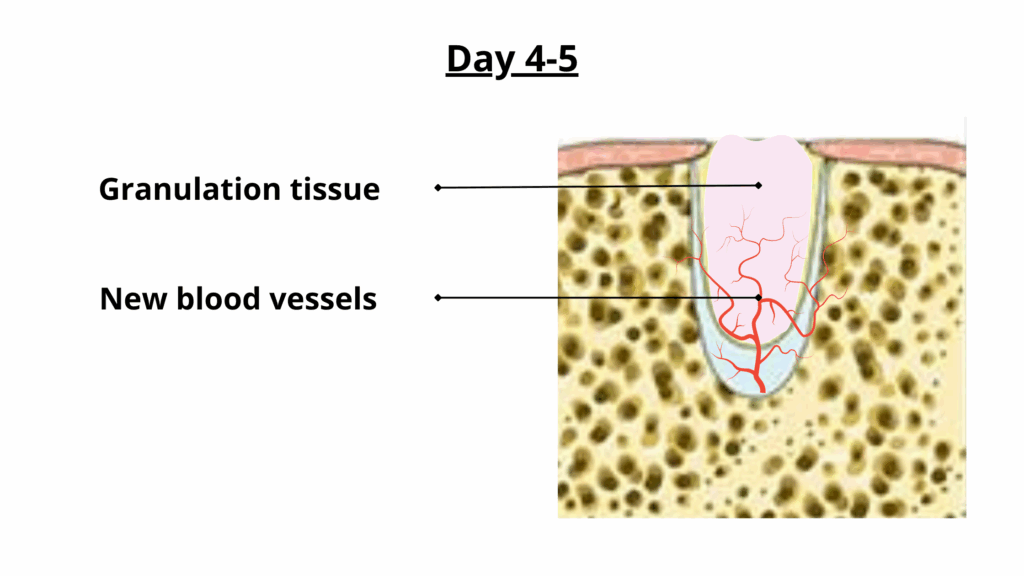
As the first week wanes, the subacute healing phase commences. By this time, the discomfort should begin to diminish, signalling the beginning of the tissue repair process. The epithelial tissue begins to cover the extraction site, promoting granulation tissue formation underneath. This phase may still present some swelling and tenderness, but the patient should notice significant improvements in overall comfort.
At around the two-week mark, the dentist will typically evaluate the healing progress. Should recovery proceed without complications, and if implant placement is intended, treatment plans will be discussed. The timing for the dental implant relies heavily on the patient’s healing trajectory; an adequate period free of infection and inflammation is crucial.
Stage 3: The Early Healing Phase (Weeks 3 to 6)
By the third week post-extraction, the body continues its relentless work of remodelling. The blood clot is replaced with granulation tissue which morphs into mature connective tissue. It is in this phase that the underlying bone undergoes osteoclastic activity, breaking down damaged bone while simultaneously allowing osteoblastic cells to build new bone. This intricate process underscores the dynamic interplay of bone regeneration, which will serve as a foundation for the thoughtfully placed dental implant.
Patients should be cognisant of any lingering discomfort or abnormalities, as it may signify complications such as dry socket or infection. Routine follow-up appointments with the dental professional are essential to monitor meld and ensure successful recovery.
Stage 4: Bone Integration Phase (Weeks 6 to 12)
As we edge closer to the two-month mark, the integration of the jawbone with the implant becomes the primary focus. The healing cap—if placed—facilitates the emergence of gum tissue around the implant, providing a definitive contour for future restoration. Meanwhile, osseointegration, where the titanium of the implant fuses with the bone, commences. This phase can take several weeks but is crucial; it influences the long-term stability of the implant.
During this period, patients may still need to modify their diet, steering clear of hard or sticky foods to avoid disturbing the healing implant site. Adhering to oral hygiene practices to maintain gum health is imperative. Any signs of infection or complications during this phase must be addressed promptly to avert the risk of implant failure.
Stage 5: Final Healing Phase (Months 3 to 6)
Once the bone integration has demonstrated success—a process that can span up to six months—the final healing stage commences. In many cases, the dentist will place the permanent crown or bridge atop the implant. This marks the culmination of the journey from extraction to restoration. Patients often express a renewed sense of confidence and functionality, as their smiles are restored by cutting-edge dental technology.
Final evaluations ensure the bite and alignment are optimal, achieving synergy between aesthetics and function. Regular check-ups will remain an essential part of maintaining both the implant and surrounding natural teeth, ensuring longevity and health.
In Conclusion: The Marvel of Human Resilience
The timeline from tooth extraction to implant integration may appear linear, yet it weaves a complex narrative of healing and adaptation. Each stage serves as a testament to the body’s inherent ability to heal and regenerate, inviting a deeper reflection on the marvels of dental surgery. Awareness of the healing stages not only demystifies the extraction process but also illuminates the seamless transition to implantology, inviting continued appreciation for advancements in dental care.
FAQ
How long does it take to heal after a tooth extraction?
Healing can vary, but initial healing takes about 1-2 weeks, with complete healing potentially taking up to 6 months depending on complications and the placement of a dental implant.
What should I avoid after a tooth extraction?
Avoid vigorous rinsing, using straws, and consuming hard or sticky foods to ensure proper healing of the extraction site.
What are the signs of complications after a tooth extraction?
Signs may include severe pain, prolonged swelling, or fever, which could indicate infection or dry socket.


Leave a Reply