Short Answer
Mental health issues have become an increasingly pressing concern in the modern workplace. As more employees confront challenges such as anxiety, depression, and stress-related disorders, the idea of pursuing compensation for mental health claims has gained traction. This guide will elucidate the intricacies of mental health compensation payouts, focusing on eligibility, amounts, and the essential claims process.
Understanding Mental Health Compensation Claims
Mental health compensation claims typically arise from conditions that are either exacerbated or caused by workplace stressors. These may include, but are not limited to, work-related stress, bullying, harassment, or traumatic events experienced on the job. Crucial to successfully navigating this complex landscape is understanding the legislative framework governing these claims, which varies widely by jurisdiction.
Types of Mental Health Conditions Eligible for Compensation
Numerous mental health conditions may qualify for compensation. Some of the most common include:
- Anxiety Disorders: Characterised by excessive worry that can disrupt daily living, anxiety disorders can stem from high-pressure work environments.
- Depression: Various forms of depression, including major depressive disorder, can result from prolonged workplace stress or trauma.
- Post-Traumatic Stress Disorder (PTSD): Employees may experience PTSD after traumatic events, particularly in high-risk professions, such as emergency services.
- Work-Related Stress: Prolonged stress due to workloads, unrealistic deadlines, or lack of support may lead to debilitating mental health issues.
Each condition carries its own set of criteria for eligibility, which can significantly affect the potential claim outcomes.
Eligibility Criteria for Mental Health Compensation
To qualify for mental health compensation, several factors must be considered:
- Medical Diagnosis: A formal diagnosis from a qualified mental health professional is usually required. Evidence must be provided to substantiate the claim, detailing the condition and its origins.
- Link to Employment: There must be a demonstrable link between the mental health condition and the workplace. This often includes proving that work-related factors contributed to or exacerbated the condition.
- Impact on Daily Functioning: Claimants must illustrate how their mental health difficulties have impaired their ability to perform daily tasks or engage in work activities effectively.
- Duration and Severity: The extent and duration of the mental health issue may also play critical roles in determining eligibility. Chronic conditions that significantly affect quality of life are more likely to garner compensation.
Compensation Amounts: What to Expect
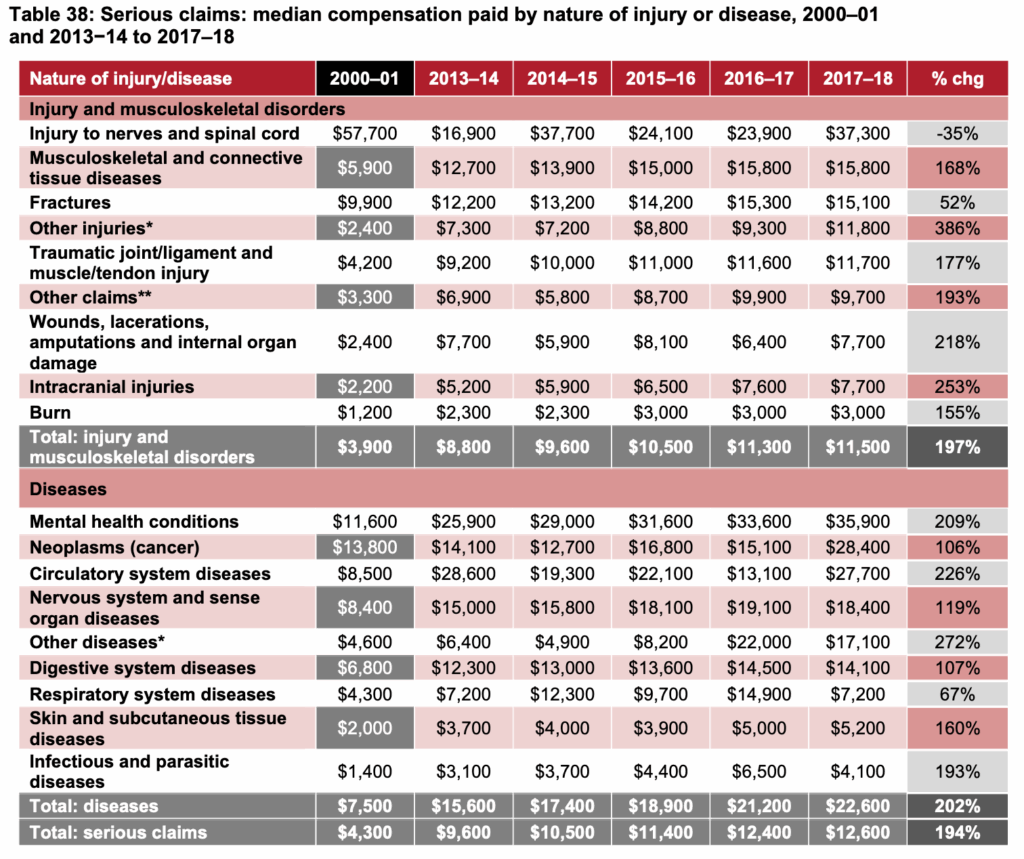
The amount of compensation a claimant may receive tends to vary based on various factors, including the severity of the mental health issue, the level of impact on the individual’s life, and the alleged negligence or misconduct of the employer. Compensation payouts can be categorised into two primary types:
- General Damages: These are awarded for pain and suffering caused by the mental health condition. They aim to compensate for emotional distress and often hinge upon the severity and permanence of the mental illness.
- Special Damages: These cover quantifiable financial losses incurred due to the condition, such as medical expenses, lost wages, and any potential future financial losses associated with ongoing treatment or the loss of earning capacity.
The calculations for these amounts will often be anchored in legal precedents but can also vary depending on unique individual circumstances.
The Claims Process: A Step-by-Step Guide
The process of filing a claim can often be convoluted and daunted by legal jargon. Here is a simplified step-by-step guide to navigating this terrain:
- Seek Professional Help: Initially, it is wise to consult with a mental health professional for proper diagnosis and treatment plans. Evidence from these consultations will be crucial for the claim.
- Document Everything: Keeping thorough records of incidents at work, communications with supervisors, and documentation of medical visits is vital.
- Notify Your Employer: It’s important to inform your employer of your condition and any related concerns, ideally via formal written communication.
- File a Claim: Depending on the jurisdiction, this may involve lodging a claim through your employer’s insurance or relevant government agency.
- Gather Evidence: Collect all necessary documentation that substantiates the claim, including expert opinions, medical reports, and witness statements.
- Engage Legal Assistance: Consider enlisting a solicitor who specialises in employment and mental health law to navigate potential disputes during the claims process.
- Prepare for Negotiation: Be ready for negotiations. Often, the initial compensation offer may be lower than expected, requiring effective negotiation skills.
Conclusion
Pursuing mental health compensation can be an arduous process fraught with emotional and legal hurdles. Nonetheless, understanding the intricacies of eligibility, the potential scope of compensation, and the claims process can empower individuals seeking justice for their mental health struggles. As societal awareness of mental health issues continues to elevate, supportive legislation and successful claims could pave the way for enhanced workplace environments that prioritise wellbeing and mental health resilience.
FAQ
What types of mental health conditions can be compensated?
Common conditions include anxiety disorders, depression, PTSD, and work-related stress.
What are the key factors for eligibility in mental health compensation claims?
Eligibility typically requires a medical diagnosis, a link to employment, impact on daily functioning, and duration and severity of the condition.
How is the compensation amount determined?
Compensation amounts vary based on the severity of the mental health issue and the employer’s negligence.


Leave a Reply