Short Answer
When it comes to managing comfort and promoting wellness, thigh high support socks have emerged as an indispensable accessory, especially for those who lead a sedentary lifestyle or face prolonged hours of standing or sitting. These socks, typically composed of elasticised fabric, provide graduated compression that aids in blood circulation and enhances overall leg health. Understanding the benefits, compression levels, and fitting guidelines of these support socks can empower users to make informed decisions.
1. Understanding Thigh High Support Socks
Thigh high support socks are designed to extend from the toes all the way up the thigh, providing targeted compression that enhances blood flow from the legs back to the heart. This innovative design not only adds aesthetic appeal but also incorporates functionality that can significantly improve daily comfort. Their snug fit is specifically engineered to create varying pressure levels, with the highest compression at the ankle, gradually decreasing as the sock ascends the leg.
These garments are typically utilised in diverse scenarios. Athletes favour them for muscle support and recovery, while individuals with circulatory concerns benefit from improved blood flow. Moreover, pregnant women often turn to these socks for relief from swelling and discomfort associated with their condition.
2. The Benefits of Thigh High Support Socks
The advantages of thigh high support socks extend beyond mere aesthetics. Here are some compelling benefits:
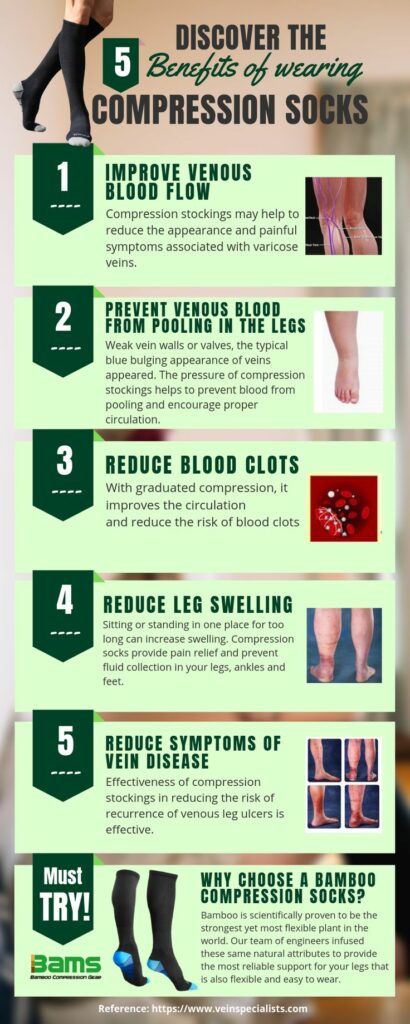
- Enhanced Circulation: The primary function of these socks is to promote venous return. By applying graduated pressure, they assist veins in returning blood to the heart, thereby alleviating feelings of heaviness and fatigue.
- Reduced Swelling: By preventing fluid accumulation, support socks diminish swelling and discomfort, particularly during pregnancy or long flights.
- Muscle Support: Athletes frequently employ thigh high socks to provide additional muscle stability. The compression reduces vibrations in the muscles, potentially decreasing fatigue during physical activity.
- Injury Prevention: By reducing muscle oscillation and providing shin support, these socks can mitigate the risk of injuries during sports, making them a favoured choice for runners and cyclists.
- Chronic Venous Insufficiency Management: For those diagnosed with conditions affecting blood flow, such as chronic venous insufficiency, these socks serve as an adjunct to medical treatment.
- Comfort During Long-Duration Activities: Professionals who are on their feet all day—such as nurses and retail workers—often find great relief in wearing thigh high support socks, which can prevent premature fatigue.
3. Compression Levels Explained
Compression levels in thigh high socks are typically measured in millimetres of mercury (mmHg) and are classified into several categories:
- Light Compression (8-15 mmHg): Suitable for those seeking mild support and comfort. Ideal for travel or daily wear, these socks may alleviate minor swelling and tiredness.
- Moderate Compression (15-20 mmHg): Often recommended for individuals experiencing mild varicose veins or swelling. These are popular among pregnant women seeking relief from leg discomfort.
- Firm Compression (20-30 mmHg): More robust in terms of support, this level is favoured by those managing chronic venous disorders or recovering from surgery.
- Extra Firm Compression (30-40 mmHg): Reserved for specific medical needs, including severe varicose veins or post-thrombotic syndrome. These require a doctor’s prescription and are designed for serious conditions.
Choosing the appropriate compression level is crucial. The effectiveness of support socks hinges on selecting the right mmHg strength based on personal medical needs, lifestyle, and comfort preferences.
4. Finding the Right Fit
A well-fitting sock is critical to achieving the desired benefits. Here’s a guide to ensure the perfect fit when purchasing thigh high support socks:
Measurement: Before shopping, take accurate measurements of your legs. Consider measuring the circumference of the widest part of your calf, the ankle, and the thigh, as well as the length from the heel to the thigh. This data will help in selecting the correct size.
Size Chart: Refer to the manufacturer’s size chart, as sizing can vary across brands. Be sure to pick a size that correlates with your measurements to avoid excessive tightness or slippage.
Length Consideration: The length of the sock should reach well above the knee. Ensure that the top of the sock comfortably adheres to the thigh without causing constriction.
Material Quality: Opt for breathable fabrics to enhance comfort. High-quality materials not only improve fit but also ensure durability, making the socks suitable for repeated wear.
Trial and Error: It might take several attempts to find the perfect sock that strikes the ideal balance between compression, fit, and comfort. Don’t hesitate to try different brands and styles.
5. Conclusion
Thigh high support socks present a sophisticated solution for various needs, from improving circulation to providing comfort for those who spend long hours on their feet. With numerous benefits, a range of compression levels, and essential fitting guidelines, these socks stand as a testament to the harmony of fashion and function. Investing in a pair—or several pairs—can transform your daily routine, making it more comfortable and enjoyable while safeguarding your leg health.
FAQ
What are thigh high support socks?
Thigh high support socks are elasticized garments designed to provide graduated compression to enhance blood circulation and support leg health.
How do I choose the right compression level?
Compression levels are measured in mmHg; choose based on your medical needs and comfort, ranging from light (8-15 mmHg) to extra firm (30-40 mmHg).
Can anyone wear thigh high support socks?
While many can benefit from them, those with specific medical conditions should consult a healthcare professional before use.




Leave a Reply