Short Answer
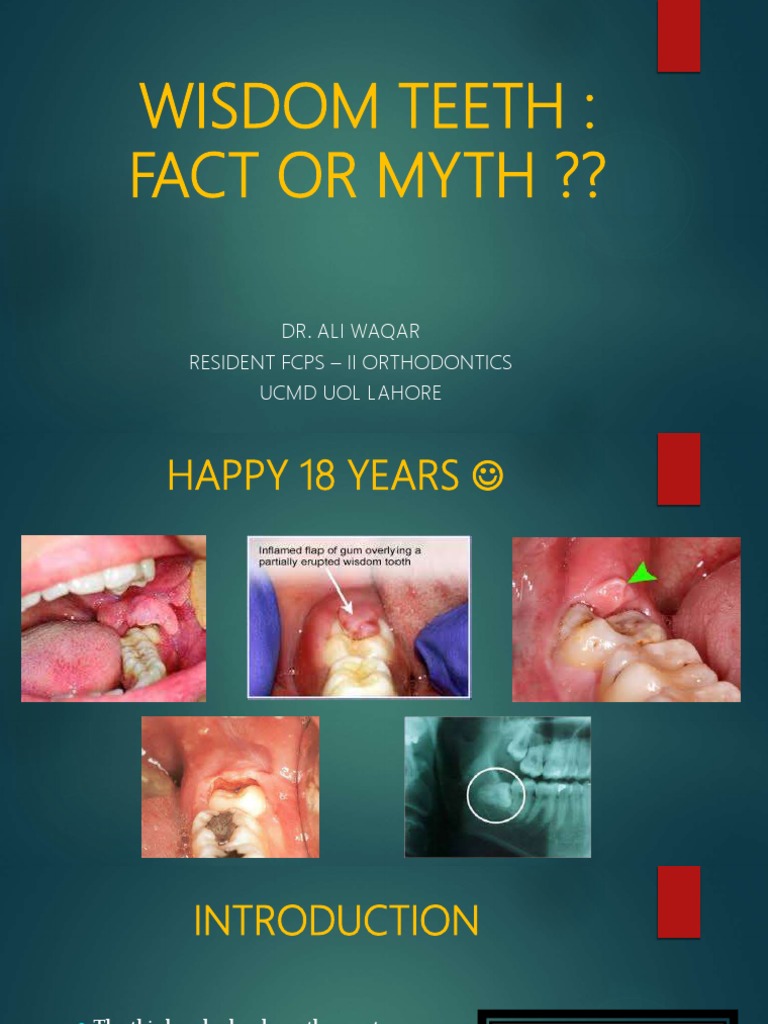
When it comes to oral health, wisdom teeth often ignite a flurry of curiosity, concern, and myths. One question that surfaces regularly is, “Will wisdom teeth grow back?” This seemingly innocent inquiry leads us into the labyrinth of dental wisdom. The existence of myriad misconceptions surrounding this subject poses a playful challenge: untangling the strands of fact from fiction. So, let’s embark on an enlightening journey to uncover the realities of wisdom teeth regeneration.
Understanding Wisdom Teeth
Wisdom teeth, scientifically known as third molars, typically emerge between the ages of 17 and 25. Their historical purpose was to assist in the chewing of coarse foods such as roots, meats, and nuts, which were prevalent in early human diets. However, as human diets evolved, the necessity for these rear molars diminished significantly. Today, many people find themselves facing the conundrum of whether to keep or remove these unwelcome dental residents.
The Extraction Dilemma
In many cases, wisdom teeth become problematic due to impaction, misalignment, or overcrowding, leading dental professionals to recommend their extraction. This decision often leaves individuals pondering the aftermath: if they are surgically removed, is there a possibility they could grow back? This inquiry invites a closer examination of dental biology and the regeneration potential of teeth.
Myth vs. Reality: The Growth Factor
Let’s dive into the heart of the matter. The simple answer to the question “Will wisdom teeth grow back?” is no; once extracted, dental experts confirm that wisdom teeth do not regenerate. This stems from the fact that humans typically have a finite number of adult teeth—usually 32—including the wisdom teeth. Both genetic factors and the natural limits of dental growth contribute to this reality. Once these teeth are surgically avulsed, the body does not produce replacements. Hence, anyone hoping for a shiny new set of third molars after extraction must face the disappointing truth.
Decoding the Myths Surrounding Wisdom Teeth
Despite the clear-cut nature of dental facts, numerous myths persist, adding clouds of confusion to an already complicated subject.
- Myth 1: Wisdom Teeth Can Regenerate – As established, this notion is a fallacy. Human biology does not support tooth regrowth in the same manner as some species like sharks, which can replace lost teeth throughout their lives.
- Myth 2: Not Everyone Has Wisdom Teeth – While it is true that some individuals are congenitally missing one or more of their wisdom teeth, the vast majority will either experience their eruption or observe their presence through X-ray examinations.
- Myth 3: The More Tooth Decay, The More Likely Wisdom Teeth Will Regrow – This misconception conflates dental decay with regrowth, when in fact decay can occur in any tooth but does not trigger a regenerative response from the body.
The Evolution of Dental Care
The wisdom tooth saga highlights the fascinating journey of dental evolution and care. In modern society, the management of wisdom teeth is often preventive. Regular dental check-ups and X-rays can help track their growth and positioning, allowing informed decisions regarding extraction when necessary. This proactive approach underscores the importance of understanding one’s dental history and genetic predispositions.
The Emotional Response: Fear and Anxiety
Beyond the physiological aspects, the prospect of wisdom tooth extraction can evoke anxiety. Many individuals fear the potential pain and recovery involved. Such concerns can lead to the proliferation of myths as people seek comfort and answers. Understanding the extraction process—often touted as routine in practice—can alleviate some of this anxiety. Modern techniques and anaesthesia options have advanced significantly, making the procedure more comfortable than in previous generations.
Post-Extraction Realities
Once wisdom teeth are removed, the focus shifts to recovery. It is critical to adhere to post-operative care instructions to avoid complications like dry socket or infection. Most patients will experience some swelling and discomfort, but this is a natural part of the healing process. Patients should prepare for a diet of soft foods and proper hydration, as these will assist in a smoother recovery.
Final Thoughts: Embracing the Truth
In conclusion, the myths surrounding wisdom teeth can create unnecessary apprehension and confusion. The understanding that these teeth will not regrow after extraction should bring clarity to those faced with the decision of whether to keep or remove them. Regular dental care is paramount in navigating these challenges, and seeking advice from a dental professional will always yield the best personalised guidance. Whether you are in the throes of wisdom tooth discomfort or contemplating extraction, it’s essential to embrace the established truths. The journey does not end merely with the removal of wisdom teeth, but it opens up a realm of greater awareness about dental health overall. Remember, while that playful question about regrowth may linger in your mind, the reality is that wisdom teeth are a chapter in your dental journey rather than a recurring theme.
FAQ
Will wisdom teeth grow back after removal?
No, once wisdom teeth are extracted, they do not regenerate.
What are the common myths about wisdom teeth?
Common myths include the belief that wisdom teeth can regenerate and that not everyone has them.
FAQ
Will wisdom teeth grow back after removal?
No, once wisdom teeth are extracted, they do not regenerate.
What are the common myths about wisdom teeth?
Common myths include the belief that wisdom teeth can regenerate and that not everyone has them.




Leave a Reply