Short Answer
In the realm of fire safety, the urban myth that all extinguishers are interchangeable often leads to catastrophic consequences. Particularly with electrical fires, where the right choice is not merely advisable but essential for safeguarding lives and property. As industries and households increasingly rely on electrical devices, understanding which fire extinguisher is appropriate for such scenarios is imperative. This guide aims to illuminate the nuances of selecting the correct fire extinguisher for electrical fires, unraveling the complexities surrounding this critical safety equipment.
Electrical fires ignite from a variety of sources, such as faulty wiring, overloaded circuits, or malfunctioning appliances. Recognising the distinction between electrical fires and other types of fires is crucial. For example, using water to douse an electrical fire can lead to devastating outcomes, including serious injury and exacerbation of the blaze. Enter the fire extinguisher—a device engineered to combat fire with precision, depending on the specific fuel source.
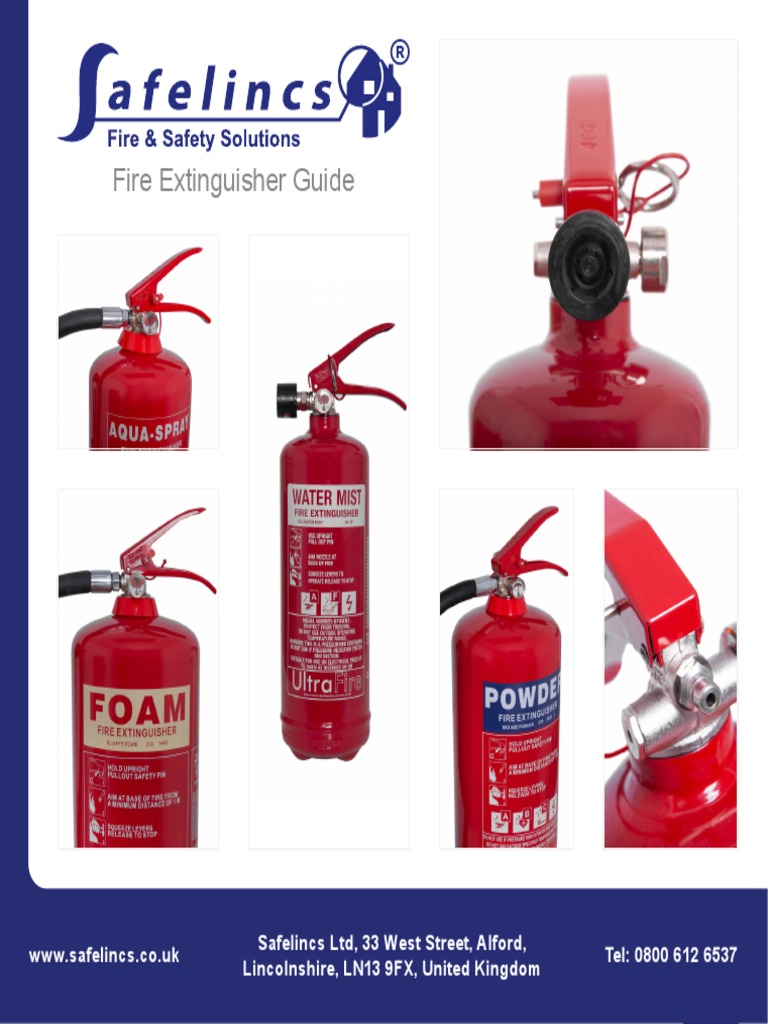
When in the vicinity of electrical equipment, the most suitable fire extinguisher is of Class C. This classification denotes extinguishing agents that are specifically formulated to tackle fires stemming from live electrical equipment. The extinguishing agents often employed in Class C extinguishers are non-conductive, preventing the risk of electric shock while effectively neutralising the flames.
The three predominant types of extinguishing agents found in Class C extinguishers are carbon dioxide (CO2), dry chemical powder, and clean agents. Each boasts unique properties, yet all serve the singular purpose of ensuring user safety while extinguishing electrical fires.
1. Carbon Dioxide (CO2) Extinguishers
Carbon dioxide extinguishers are a favourite among safety professionals for electrical fire applications. When discharged, CO2 displaces oxygen—a vital element that fuels combustion. The rapid cooling effect of CO2 also alleviates heat from the fire source. It leaves no residue, making it perfect for use on sensitive electronic equipment. However, because these extinguishers require a certain level of user vigilance, be mindful of the suffocating properties of CO2 in enclosed spaces. Adequate ventilation is pivotal when employing this extinguishing agent.
2. Dry Chemical Powder Extinguishers
Another common choice is the dry chemical powder, often labelled as ABC extinguishers due to their versatility in handling Class A, B, and C fires. These extinguishers release a dry chemical agent that not only extinguishes the flames but also prevents re-ignition by forming a barrier. Though highly effective on electrical fires, users should exercise caution, as dry chemicals can create a mess that necessitates thorough cleanup after use. Moreover, the powder can be corrosive to some types of electronic equipment, making the careful selection of type and application zone critical.
3. Clean Agents
Emerging as a top-tier option, clean agent extinguishers, which include halon and halocarbon agents, provide an innovative solution to electrical fires. With their non-conductive properties and ability to evaporate without leaving a residue, these agents allow users to extinguish fires while safeguarding valuable electronic equipment. Despite their considerable advantages, clean agents entail higher costs and must be used with an eye toward legislative restrictions, given their environmental impact.
Extinguishing Agent Comparisons
Each type of agent presents its unique set of benefits and drawbacks. Understanding the comparative characteristics of each is vital for making informed choices:
- Carbon Dioxide: Clean, non-conductive, but potentially hazardous in enclosed areas.
- Dry Chemical Powder: Multivalent effectiveness, affordable, but may harm sensitive equipment.
- Clean Agents: Thoroughly effective, clean residue-free extinguishment, but potentially more expensive and environmentally contentious.
How to Use a Fire Extinguisher on Electrical Fires
Once such a fire ignites, knowing how to respond correctly is crucial to averting escalation. The acronym PASS can be a lifesaver in these scenarios:
- P: Pull the pin. This initial step readies the extinguisher for use.
- A: Aim low. Focus on the base of the fire, as that is where the fuel source resides.
- S: Squeeze the handle. Apply firm pressure to release the extinguishing agent.
- S: Sweep side to side. Move the extinguisher from side to side until the flames are fully extinguished.
Even with the right extinguisher in hand, ensure that your safety strategy comprises quick access to emergency services. If at any moment the fire becomes uncontrollable, evacuate immediately and call the fire brigade.
Maintenance and Inspection of Fire Extinguishers
Owning a fire extinguisher is just part of the equation; maintaining it is equally paramount. Regular inspections ensure that extinguishers are fully charged, accessible, and operational. Check for visible damage, assess the pressure gauge, and inspect seals for signs of tampering. Most importantly, ensure that extinguishers are positioned in clearly identified, easily accessible locations known to all residents and occupants.
In conclusion, understanding which fire extinguisher is suited for electrical fires can radically shift one’s perception of fire safety. The knowledge gleaned from this guide arms individuals not only with the awareness of potential hazards but also the means with which to combat them. With the right fire extinguisher, proper application techniques, and consistent maintenance, you can transform your immediate environment into a bastion of safety amid the unpredictable nature of fire.
FAQ
What is the best fire extinguisher for electrical fires?
The best fire extinguisher for electrical fires is a Class C extinguisher, which uses non-conductive agents.
Can water be used on electrical fires?
No, using water on electrical fires is dangerous as it can lead to electric shock and worsen the fire.


Leave a Reply