Short Answer
In today’s digital ecosystem, the convergence of commerce and technology has birthed unparalleled convenience for consumers. However, this unbridled growth has inevitably given rise to a myriad of risks, particularly in the realm of online safety. Understanding commerce risk is crucial for both consumers and businesses navigating this digital milieu. In this article, we will explore what constitutes a commerce risk in online safety, the threats associated with it, and the preventative measures that can be undertaken to safeguard oneself and one’s business.
Defining Commerce Risks
At its core, a commerce risk refers to any potential danger that could threaten the integrity, security, or overall success of transactions conducted in the digital marketplace. This includes both the threats to personal financial information as well as those that jeopardize the operational stability of businesses. As online shopping flourishes, so too does the ingenuity of cybercriminals who seek to exploit the vulnerabilities inherent in the digital commerce landscape.
Types of Commerce Risks
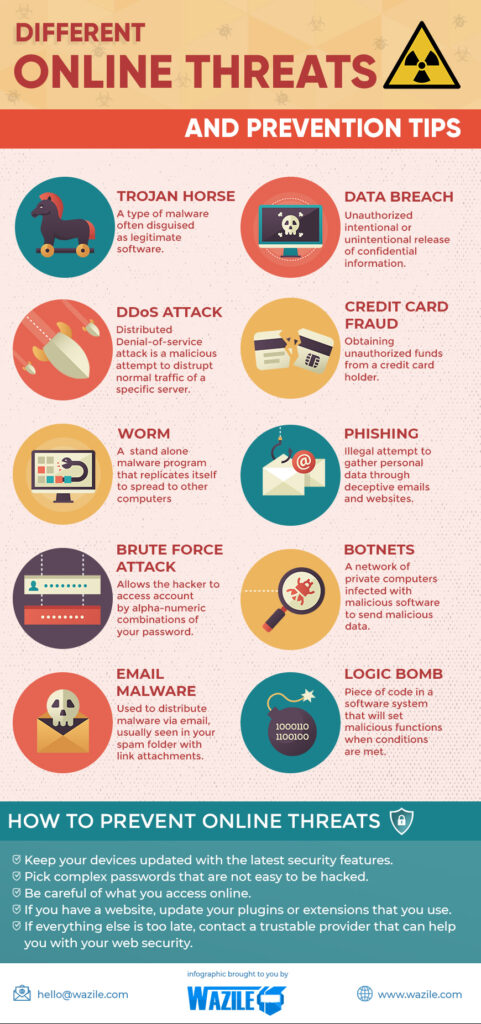
The spectrum of commerce risks can be daunting. To better comprehend these risks, they can be categorised into several primary types:
- Data Breaches: One of the most significant threats emanates from data breaches, where sensitive customer information such as credit card details, addresses, and personal identification numbers are stolen. These breaches can severely compromise consumer trust and incur hefty financial penalties for businesses.
- Phishing Attacks: Cybercriminals frequently employ phishing tactics to lure unsuspecting victims into divulging personal information. These scams often masquerade as legitimate communications from reputable entities, preying on the gullibility of consumers.
- Fraudulent Transactions: The rise of e-commerce has unfortunately led to an increase in fraudulent transactions, including chargebacks and identity theft. These crimes can lead to significant financial losses for both businesses and consumers.
- Malware and Ransomware: Malware can infiltrate systems and either gather sensitive data or disrupt business operations. Ransomware, a particular subset of malware, locks users out of their systems, demanding payment for restoration, thus posing a severe threat to online commerce.
- Supply Chain Attacks: Complex interdependencies characterise modern supply chains, which means an attack on one entity can cascade through the chain, affecting other businesses. Such risks can lead to operational disruptions and financial losses.
The Consequences of Ignoring Commerce Risks
To underestimate the potential consequences of these risks is a grave error. The repercussions of a failure to address commerce risks can vary significantly, ranging from tarnished reputations to substantial financial loss. For businesses, a single data breach can lead to a catastrophic drop in consumer trust, demonstrated by the multitude of high-profile companies that have suffered irreparable damage following security incidents. For consumers, the aftermath of identity theft or fraudulent transactions can extend beyond financial loss, often invading one’s very sense of security.
Prevention: Proactive Measures
The adage ‘prevention is better than cure’ rings particularly true in the field of online safety. Here are several proactive measures that can be implemented to mitigate the risks associated with e-commerce:
- Robust Security Protocols: Businesses must invest in cutting-edge security protocols, including firewalls, encryption, and secure payment gateways. Implementing multi-factor authentication (MFA) can further bolster security.
- Regular Audits and Updates: Conducting regular security audits and promptly updating software and systems is paramount. Cybercriminals constantly evolve their tactics; outdated systems can become easily breached.
- Employee Training: Staff must be educated on the intricacies of online safety, including how to recognise phishing attempts and the importance of safeguarding sensitive customer data.
- Consumer Awareness: Consumers should be equally vigilant. Awareness campaigns that inform users about identifying secure websites, the signs of phishing, and the best practices for online transactions can significantly reduce risk.
- Data Minimisation: Businesses must practise data minimisation by only collecting necessary information from customers, thus limiting the potential impact of a data breach.
The Role of Technology and Innovation
In the ever-evolving landscape of e-commerce, the role of technology cannot be overstated. Innovative solutions, such as artificial intelligence and machine learning, are revolutionising the way we approach online security. These technologies can analyse vast quantities of data in real-time, identifying a multitude of potential threats and enabling swift responses.
Building a Culture of Security
Ultimately, fostering a culture of security is essential for both businesses and consumers. For organizations, this means embedding security into every aspect of operations, creating a mindset where safety is paramount. Consumers, too, must cultivate a personal responsibility towards their online safety, demonstrating caution and scepticism in their digital interactions.
Conclusion
Commerce risks in online safety pose a formidable challenge in the digital age. However, by understanding the nature of these risks, recognising their potential consequences, and implementing effective preventative measures, both businesses and consumers can navigate the turbulent waters of e-commerce more confidently. The journey towards enhanced online safety is ongoing, requiring vigilance, adaptability, and an unwavering commitment to security principles. Through a collective effort, we can not only mitigate risk but also embrace the convenience and innovation that online commerce offers, all while safeguarding our digital futures.
FAQ
What are commerce risks?
Commerce risks refer to potential dangers that threaten the integrity and security of online transactions, including data breaches, phishing, and fraud.
How can businesses prevent commerce risks?
Businesses can prevent commerce risks by implementing robust security protocols, conducting regular audits, training employees, and practicing data minimization.
What should consumers do to stay safe online?
Consumers should be aware of secure website practices, recognize phishing signs, and follow best practices for online transactions.




Leave a Reply