Short Answer
In an era where water quality is of paramount importance, the quest for a reliable filtration solution has led to the exploration of various systems, among which UV water filters have emerged as a revolutionary choice. The ultraviolet (UV) water filter system employs cutting-edge technology to ensure the purity of drinking water, offering a dazzling alternative to traditional filtration methods. This article delves into the intricacies of how a UV water filter system operates and provides a comprehensive installation guide, promising to alter your perception of domestic water safety.
Understanding UV Water Filtration Technology
At its core, a UV water filter system utilises ultraviolet light to eliminate pathogens, such as bacteria, viruses, and other microorganisms, rendering water safe for consumption. The process hinges on the disinfection principle, wherein UV light disrupts the DNA of these harmful entities, effectively preventing them from reproducing and causing illness. This method stands out for its speed, as it requires only seconds to destroy a vast array of contaminants, thereby ensuring a swift turnaround for water purification.
Unlike conventional filters that utilise physical barriers or chemical processes, the UV technology operates devoid of any harsh substances or by-product wastage. The allure of such a system lies not only in its efficacy but also in its environmentally conscious approach—it eliminates the need for bottled water and reduces reliance on chemical disinfectants, thereby curbing plastic waste and promoting sustainability.
The Components of a UV Water Filter System
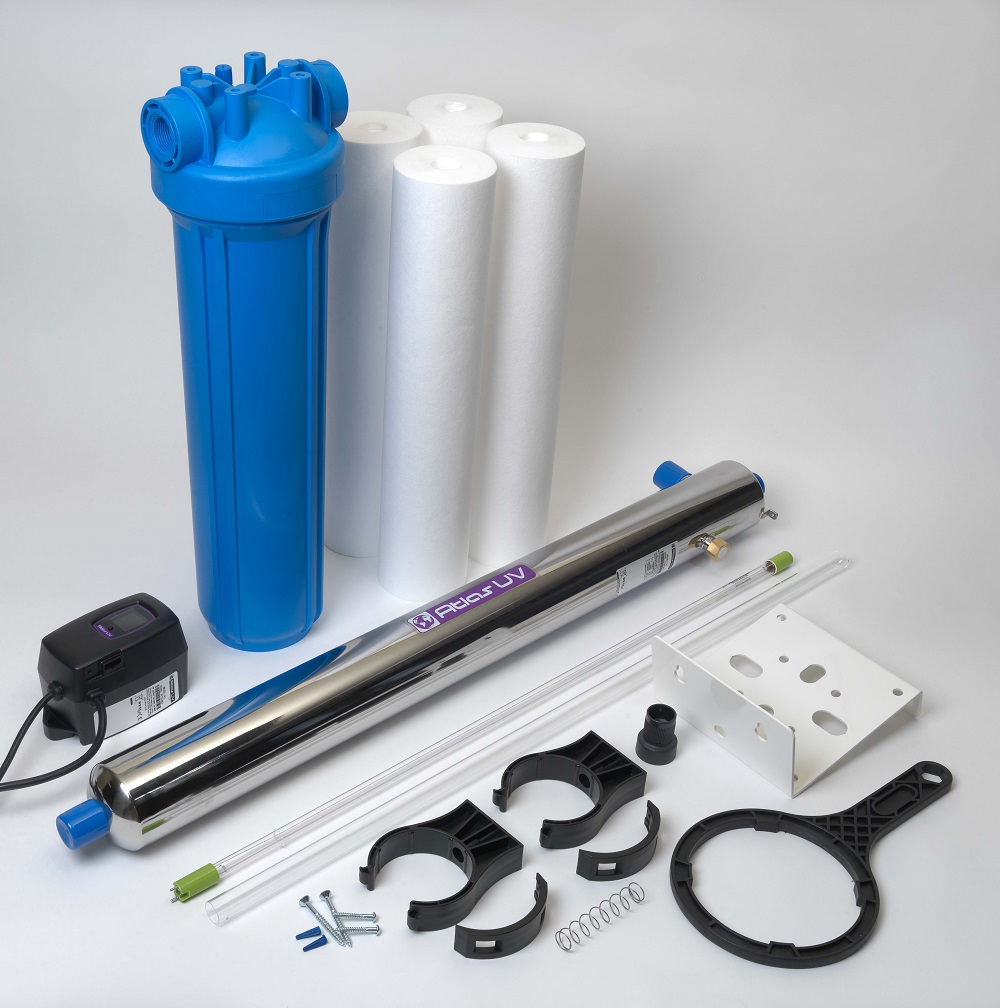
A typical UV water filter system consists of several key components that work synchronously to deliver purified water:
- UV Lamp: The heart of the system, this lamp emits UV-C light (at a wavelength of 254 nanometers), which is effective in disinfection.
- Quartz Sleeve: This protective covering guards the UV lamp from the water, ensuring the lamp remains operational and efficient while allowing UV light to penetrate.
- Reaction Chamber: This is where the water undergoes treatment; it allows sufficient time for the UV light to interact with the microorganisms.
- Power Supply: Responsible for powering the UV lamp, ensuring consistency in operation and optimal functioning.
- Flow Control Device: This regulation component maintains appropriate water flow rates, allowing the system to operate efficiently under various circumstances.
The Mechanism of Action
When water enters the reaction chamber, it is exposed to the UV light emitted by the lamp. In this confined space, the water travels along a predetermined route that maximises contact with the UV rays. The intensity and duration of UV exposure are critical, as they determine the efficacy of disinfection. The inherent design of the system ensures that all water is treated consistently, creating a reliable purification process that significantly mitigates health risks associated with waterborne pathogens.
Installation Guide for a UV Water Filter System
Installing a UV water filter system can be an uncomplicated endeavour, provided you follow a systematic approach. Here’s a step-by-step guide to assist you:
- Selecting the Location: Choose an appropriate location close to your water source, whether it’s a well or municipal supply. Ensure the area is dry, accessible, and has a power supply for the UV lamp.
- Gather Tool and Equipment: Ensure you have all necessary tools such as a drill, wrenches, and pliers, alongside the installation kit provided with your UV system.
- Shut Off Water Supply: Before any installation begins, turn off the water supply to avoid a mess or unintended flooding.
- Install Pre-Filters: It is advisable to install pre-filters upstream of the UV system to remove sediment and larger particles, thus extending the life of the UV lamp.
- Mount the UV Unit: Utilize the mounting brackets provided to secure the UV unit to the wall or cabinet, ensuring it is adequately aligned for optimal water flow.
- Connect Piping: Following the manufacturer’s guidelines, connect the inlet and outlet pipes, ensuring tight seals to prevent leaks.
- Electrical Connections: Safely wire the UV unit to the power source. Be mindful of following local electrical codes and consult a professional if uncertain.
- Activate the System: Restore the water supply and turn on the unit. Monitor for any leaks and conduct a test run to ensure everything operates smoothly.
- Regular Maintenance: Schedule regular maintenance checks, including replacing the UV lamp approximately every 12 months and cleaning the quartz sleeve to maintain efficiency.
Final Thoughts
Transitioning to a UV water filter system is not merely an upgrade; it’s a paradigm shift in ensuring potable water safety in your home. Its efficacy against a myriad of pathogens coupled with an eco-friendly approach positions UV filtration as a highly desirable choice. As you embark on the installation journey, remember that while the technology is advanced, the principles governing its performance are rooted in simplicity and precision. Embrace this opportunity not just to clean your water, but to enhance your overall health and well-being, secure in the knowledge that you are fostering a sustainable future for generations to come.
FAQ
What is a UV water filter system?
A UV water filter system uses ultraviolet light to disinfect water by eliminating harmful pathogens.
How often should the UV lamp be replaced?
The UV lamp should be replaced approximately every 12 months for optimal performance.
Is installation of a UV water filter system complicated?
Installation can be straightforward by following a systematic guide, but consulting a professional is advisable if uncertain.


Leave a Reply