Short Answer
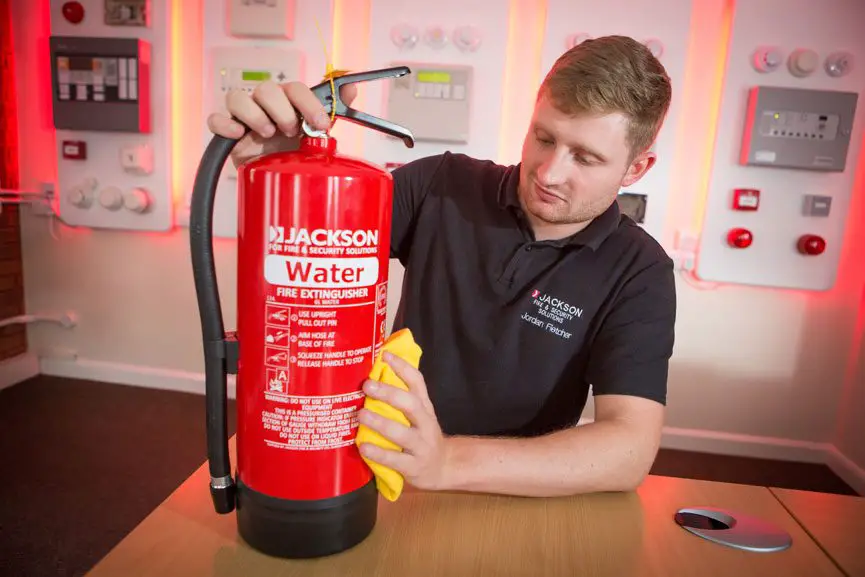
Fire extinguishers are a vital component of any safety plan, meticulously designed to combat unwanted fires before they escalate into catastrophic events. However, many individuals and businesses often find themselves pondering a critical question: How often should fire extinguishers be inspected? Understanding the frequency and necessity of inspections is imperative for ensuring preparedness and safeguarding premises against the potential devastation of fires.
To begin with, the National Fire Protection Association (NFPA) sets forth specific guidelines regarding the inspection and maintenance of fire extinguishers. According to NFPA 10, a standard that outlines the requirements for portable fire extinguishers, a multitude of crucial stipulations are in place to ensure their efficacy. The initial inspection must occur upon installation and at least once annually thereafter. Furthermore, it is advisable to conduct a visual examination each month. This dual approach of frequent visual checks and annual professional inspections creates a robust framework for fire safety management.
But why is regular inspection paramount? Fire extinguishers, while often perceived as mere safety devices, serve as the frontline defence against fire hazards. Each unit is designed with specific conditions and limitations, and over time, these can change due to various environmental factors. A lack of routine examination could lead to malfunction during crucial moments, potentially transforming a preventable situation into a disastrous one. Combustible materials might accumulate, the pressure gauge may deteriorate, or the extinguishing agent could settle and become ineffective. Such scenarios highlight the necessity for diligent maintenance.
Beyond basic inspections, an annual comprehensive check by a certified professional is indispensable. This intricate examination involves a thorough evaluation of the fire extinguisher’s mechanical parts, the pressure gauge, and any seals or safety mechanisms. Experts will ascertain the integrity of the unit’s components and ensure compliance with applicable regulations. Additionally, they will verify that the extinguisher is charged correctly and positioned appropriately for quick access. It’s a systematic process that not only extends the lifespan of the equipment but also fortifies the confidence of users.
Moreover, there are instances where specific types of fire extinguishers require inspection beyond the standard yearly evaluation. For example, fire extinguishers located in facilities that handle flammable materials or hazardous substances may necessitate more frequent checks due to the increased risk associated with such environments. Similarly, extinguishers installed in high-traffic areas should undergo inspections every six months to ensure they are readily accessible and functional.
In addition to regular inspections, maintenance is a crucial aspect of ensuring operational readiness. The NFPA advises that any fire extinguisher showing signs of wear, such as rust, dents, or scratches, should be retired from active service and replaced. A meticulous approach in documenting inspection findings can aid tremendously; records should be maintained to track the history of tests and maintenance actions on each unit.
Further compounding the issue is the importance of proper training for staff members on how to use fire extinguishers effectively. Awareness and understanding of fire safety protocols, coupled with hands-on training, can make a significant difference in an emergency situation. Employees should be familiarised with the location of extinguishers, the types available, and their specific usage methodologies, such as the PASS technique—Pull the pin, Aim low, Squeeze the lever, and Sweep from side to side. Greater awareness ensures that, in urgent situations, the response is immediate and proficient.
The psychological impact of being prepared cannot be overlooked. A well-maintained and regularly inspected fire extinguisher serves as a tangible reminder of safety. It cultivates a sense of security within a workplace, encouraging individuals to remain vigilant and responsive to potential hazards. Such preparations may seem burdensome in an era dominated by technology and automation, yet the rudimentary act of ensuring functional safety equipment is irreplaceable. A keen awareness of one’s surroundings and infrastructure, complemented by the assurance that appropriate measures have been taken, can foster a proactive approach to fire safety.
When contemplating the effectiveness of fire safety protocols, one cannot ignore the role of regulatory compliance. Local fire codes may vary, but typically align closely with NFPA guidelines. Businesses must be cognizant of their local legislation to avoid hefty fines and, more importantly, ensure the safety of personnel and property. Regular inspections not only ensure compliance but also position the business as a responsible entity, prioritising the wellbeing of its employees and stakeholders.
While technology continues to evolve, with innovative solutions emerging in fire management systems, the principles that govern fire extinguisher inspections remain steadfast. Despite advancements in automation and intelligent systems, the human factor—the knowledge, application, and management of safety procedures—retroactively serves as the bedrock of fire safety infrastructure.
In conclusion, the frequency of fire extinguisher inspections cannot be understated. With monthly visual checks and annual professional assessments, individuals and organisations alike can fortify their fire safety protocols. Coupled with rigorous staff training and documentation of maintenance activities, these practices lay the groundwork for a comprehensive fire safety strategy. The continued vigilance surrounding fire extinguisher management is a testament to a collective commitment to safety and preparedness—a crucial element in safeguarding lives and property against the unpredictability of fire.
FAQ
How often should fire extinguishers be inspected?
Fire extinguishers should be visually inspected monthly and undergo a professional inspection at least once a year.
What should I do if my fire extinguisher shows signs of wear?
Any fire extinguisher showing signs of wear, such as rust or dents, should be retired and replaced immediately.
What is the PASS technique?
The PASS technique stands for Pull the pin, Aim low, Squeeze the lever, and Sweep from side to side.



Leave a Reply