Short Answer
Have you ever wondered why your plants appear lacklustre and your soil feels more like a barren wasteland than a thriving garden? If so, you might be faced with an age-old dilemma: pH imbalance. Among the remedies that can address this condition, lime emerges as a prominent solution. But why specifically lime, and how can it benefit your garden? Let’s delve into the multifaceted world of lime and discover how its application can transform your gardening experience.
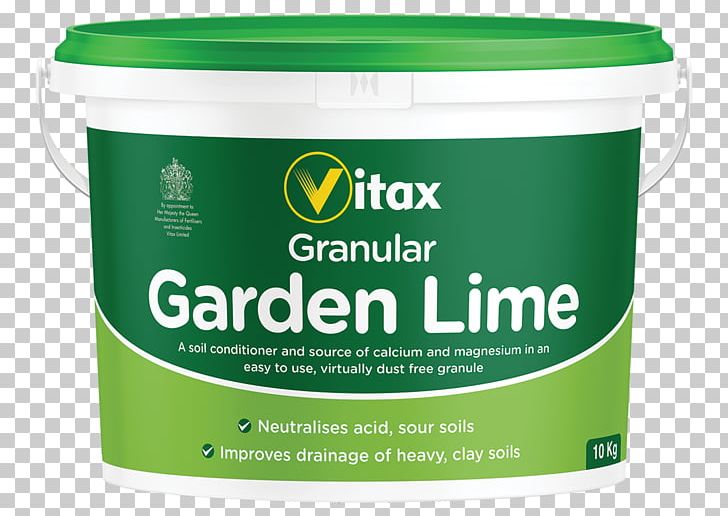
To begin with, lime, or more specifically agricultural lime, is primarily composed of calcium carbonate. This natural mineral plays a crucial role in enhancing soil structure, fostering nutrient availability, and even promoting beneficial microbial activity. Such enhancements are paramount for the health of any garden seeking to flourish. In essence, lime acts as both a corrective agent for acidic soils and a nutritional enhancer. The pivotal question then arises: how can one effectively integrate lime into their gardening practices?
Understanding Soil pH
Before we plunge into the application techniques, it is essential to grasp the concept of soil pH. Soil pH is measured on a scale from 0 to 14, with a value of 7 considered neutral. Values below 7 indicate acidity, while those above denote alkalinity. Most plants thrive within a pH range of 6 to 7.5, so when soil veers towards the acidic end of the scale, issues can arise. For instance, vital nutrients such as nitrogen, phosphorus, and potassium may become less accessible to plants. This blockage can lead to stunted growth and poor yields, regardless of how diligently one tends to their garden.
Assessing Your Soil
The prudent gardener must first assess their soil’s pH to determine if lime is indeed necessary. Testing kits are readily available at garden centres, or one can send soil samples to a laboratory for a comprehensive analysis. Once the pH level has been established — ideally, you’re looking for a reading that advises you to ameliorate acidity — the journey towards rejuvenating your garden can commence.
Choosing the Right Lime
Now that you’ve verified the need for lime, it’s time to select the appropriate type. There are primarily two forms of agricultural lime: calcitic lime, which consists mainly of calcium carbonate, and dolomitic lime, which provides both calcium and magnesium. The choice between these two often hinges on nutrient deficiencies. If magnesium levels in your soil are low, dolomitic lime would be your best ally. Otherwise, calcitic lime will suffice for general soil enhancement.
Application Techniques
Having decided on the right lime, let’s discuss application techniques. Start by wearing protective gear, as lime can irritate the skin and eyes. Using a spreader ensures even distribution across your garden area. Typically, you should apply lime at a rate of 1-2 tons per acre, adjusting as necessary based on your soil’s needs and the recommendations from your soil test results. For smaller gardens, a shovel or handheld spreader can suffice.
Once applied, take heed of the fact that lime requires time to take effect. It can take several months for the soil to adjust after incorporation. Therefore, applying lime well before planting seasonal crops is vital, allowing it to ameliorate the soil effectively. Additionally, working lime into the top few inches of soil enhances its efficacy, as this promotes better contact with roots and facilitates its absorption by the soil.
Combining with Other Amendments
The introduction of lime can significantly improve soil structure, but it does not operate in isolation. Combining lime with organic matter, such as compost, can yield even more robust results. While lime corrects pH levels and nutrient availability, organic matter enhances soil fertility and moisture retention. This harmonious pairing creates an environment that allows plants to thrive, reducing the need for chemical fertilisers. Thus, employing both in your garden can lead to a kaleidoscope of thriving plants.
Long-Term Maintenance
After you’ve reapplied lime, you might wonder how to maintain optimal soil health. Regular soil testing every 2-3 years is advisable, as it helps to ensure pH levels remain balanced and nutrients remain bioavailable. Furthermore, employing crop rotation and cover crops can enhance soil structure and prevent nutrient depletion. It’s akin to establishing a healthy ecosystem within your garden—engaging in practices that respect the natural balance of soil and plant health.
Conclusion: Embracing the Lime Revolution
Ultimately, using lime in the garden is not merely a gardening hack; it’s an invitation to liberate your soil from its acidic shackles. As you embark on this journey, consider the transformative power of lime—not just for your plants, but as a vital component of sustainable gardening practices. Embrace the challenge, enrich your soil, and watch as your garden flourishes, bursting forth with vibrant colours and healthy growth. Will you answer the call and join the lime revolution?
FAQ
What is the purpose of using lime in the garden?
Lime is used to correct acidic soil by raising the pH, improve soil structure, and enhance nutrient availability for healthier plant growth.
How do I know if my soil needs lime?
You can test your soil’s pH using a home testing kit or by sending samples to a lab. If the soil is acidic (pH below 6), lime application is usually beneficial.
What types of lime are available for gardening?
The two main types are calcitic lime (mostly calcium carbonate) and dolomitic lime (contains calcium and magnesium). The choice depends on your soil’s nutrient needs.
How should lime be applied to the garden?
Wear protective gear and use a spreader for even distribution. Apply lime several months before planting and incorporate it into the top few inches of soil.
Can lime be combined with other soil amendments?
Yes, combining lime with organic matter like compost improves soil fertility and moisture retention, creating a more balanced growing environment.

Leave a Reply