Short Answer
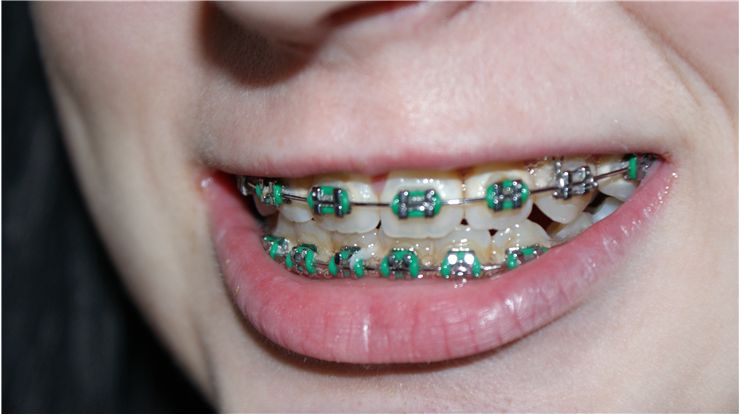
When it comes to dental braces, many individuals are eager to indulge in life’s little pleasures, one of which is chewing gum. However, this convivial habit often raises questions about safety and suitability. Can you really chew gum with braces? The answer is not straightforward, and it depends on various factors including the type of gum, the condition of your braces, and your own oral hygiene practices. This article delves into the complexities of chewing gum when you have braces, uncovering what’s safe, what’s not, and the nuances in between.
First and foremost, let’s explore why people with braces consider chewing gum. The act of chewing gum can stimulate saliva production, which in turn helps in remineralising tooth enamel; this is particularly beneficial for anyone, including those with braces. Additionally, the psychological relief that comes from chewing can be quite soothing. However, it is imperative to discern whether these benefits outweigh the potential risks associated with this chewable confectionery.
Types of Gum: Which Ones Are Safe?
Not all chewing gum is created equal. Generally, gum can be categorized into two main types: sugar-containing gums and sugar-free gums. Each type has its own implications for oral health, especially for those sporting orthodontic apparatus.
1. Sugar-Containing Gums: This type poses a significant risk for people with braces. The presence of sugar can lead to an escalation in plaque buildup, which can foster cavities and gum disease. Moreover, the sticky nature of these gums can embed themselves in the intricate wires and brackets of your braces, potentially causing damage. Therefore, it’s best to steer clear of sugary varieties while undergoing orthodontic treatment.
2. Sugar-Free Gums: In contrast, sugar-free gums are generally deemed safe for individuals with braces. These gums usually contain sweetening agents like xylitol, which not only do not contribute to tooth decay but may actually help in fighting harmful bacteria in the mouth. Brands that advertise themselves as orthodontist-recommended may also be particularly suitable for those with braces.
Texture and Consistency: Soft vs. Hard Gums
Another aspect to consider is the texture and consistency of the gum. Soft, pliable gums are easier on braces and less likely to cause damage. In contrast, hard gums can pose a risk by being more hard-hitting on the brackets and wires, leading to potential breakage. If you decide to indulge in a gum-chewing session, opt for those that are softer in texture and less abrasive in nature.
Chewing Techniques: Dos and Don’ts
Even when you choose the right kind of gum, how you chew matters. Here are some pivotal dos and don’ts:
- Do: Chew with a degree of caution. Gentle chewing reduces the risk of dislodging wires or loosening brackets.
- Don’t: Chew excessively or habitually. Prolonged chewing can put unnecessary pressure on braces.
- Do: Regularly check your brace’s condition. It’s wise to monitor any discomfort or changes in alignment that may arise from gum chewing.
- Don’t: Ignore the significance of oral hygiene. After chewing gum, ensure you brush your teeth to remove any residual sugar or sticky substances that might cling to your braces.
Alternatives to Gum
Furthermore, sugar-free mints or lozenges can provide a similar freshening effect without the stickiness or potential damage that gum presents. These options are smoother on your dental hardware while still allowing for an enjoyable experience.
A Word on Dental Appointments
Ultimately, regular visits to your orthodontist are indispensable during your brace-wearing journey. During these appointments, the orthodontist can provide personalised recommendations tailored to your specific needs. This professional insight can help in distinguishing whether occasional gum chewing is appropriate based on your unique treatment plan and current oral health status.
Conclusion
In summary, the inquiry of whether one can chew gum with braces is multifaceted and extends beyond a simple yes or no. While sugar-free gums, when consumed with caution, may pose little risk, sugar-laden varieties should unequivocally be avoided. Fairly soft gum types are preferable, and techniques for chewing should be optimally conservative.
Ultimately, embracing good oral hygiene practices and heeding the advice of your dental care provider will serve you well during your orthodontic treatment. Enjoying the allure of chewing gum may still be in your grasp, but do so judiciously and mindfully to safeguard the integrity of your braces and, most importantly, your dental health.
FAQ
Can I chew sugar-free gum with braces?
Yes, sugar-free gum is generally safe to chew with braces as it does not promote tooth decay and is less likely to stick to braces.
Why should I avoid sugar-containing gum with braces?
Sugar-containing gum can increase plaque buildup, leading to cavities and gum disease, and its sticky nature can damage braces.
Are all types of gum safe for braces?
No, soft sugar-free gums are safer, while hard or sticky gums pose risks of damaging the braces.
What precautions should I take when chewing gum with braces?
Chew gently, avoid prolonged chewing, monitor your braces for damage, and maintain good oral hygiene by brushing after chewing gum.



Leave a Reply