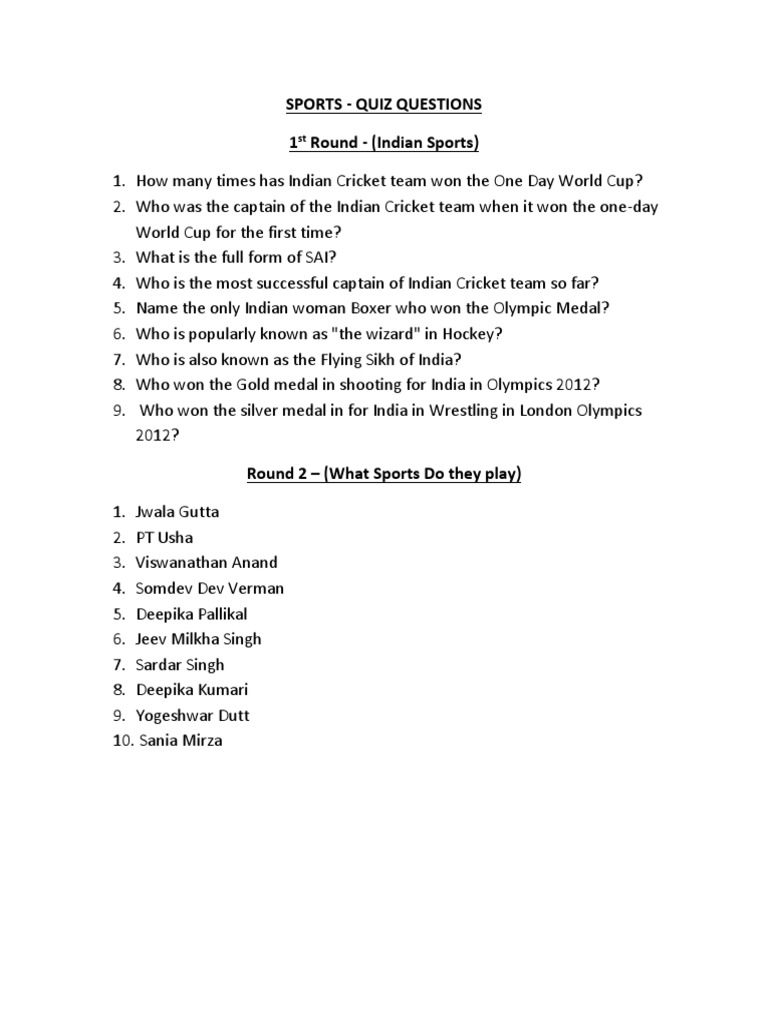
Short Answer
Quizzes are a staple of fun and learning, often bringing out the competitive spirit in participants. However, nothing disrupts the flow of a quiz more than a tie, leaving competitors in a lurch as they await a resolution. Enter the concept of tie breaker questions—an ingenious way to determine the ultimate victor in a friendly contest. This article explores a plethora of intriguing and clever tie breaker questions that promise to infuse excitement into your quiz experience.
To begin, it’s essential to appreciate the purpose behind tie breaker questions. These queries not only serve as the decisive factor in the case of a draw but also offer participants a chance to display their quick wit and knowledge. They can vary widely in complexity, format, and subject matter, enhancing the overall quiz atmosphere and keeping contestants on their toes.
When crafting effective tie breaker questions, a few fundamental types emerge. These can be segmented into numerical, trivia, and creative response categories, each possessing unique qualities that appeal to different types of thinking. Let’s delve into these categories to unlock their potential.
Numerical Tie Breakers
Numerical tie breakers often require participants to make educated guesses or estimations. They are especially effective for categories that naturally lend themselves to quantifiable measures, such as sports statistics, population figures, or even time. For instance, one might ask, “What is the total number of bones in an adult human body?” Encouraging individuals to ponder and deduce offers a thrilling suspense that heightens engagement. When the actual answer—206—is revealed, it can foster astonishment or appreciation for the breadth of knowledge required.
Another intriguing approach could be implementing questions related to historical events, such as, “In what year did the Titanic sink?” Contestants would need to ascertain the year of the disastrous event, offering a numerical tie breaker that relies on historical awareness rather than mere guessing. Such questions encourage participants to recall foundational knowledge while maintaining an element of challenge.
Trivia Tie Breakers
Trivia-based tie breakers can be a delightful twist, appealing to the curiosity of those who thrive on interesting facts. These questions might cover a wide range of subjects—from pop culture to scientific phenomena. An excellent example could be, “What was the first animated feature film to be nominated for an Academy Award?” This question not only tests knowledge about film history but also educates participants on pivotal moments within the cinematic arts.
Inquisitive minds might appreciate questions that require a deeper understanding of their subjects. A particularly engaging option could involve asking, “Which country produces the most coffee in the world?” Answering Brazil not only showcases participants’ global knowledge but may spark discussions about geography, commerce, and agriculture. Such trivia can transform a simple quiz into an enlightening exploration, enriching the experience for all involved.
Creative Response Tie Breakers
Perhaps the most exhilarating—and unpredictable—tie breaker category is the creative response type. These questions encourage participants to think outside the box and contribute imaginative answers, adding a whimsical flair to the proceedings. For example, consider asking, “If you could have dinner with any historical figure, who would it be and why?” This ignition of creativity allows participants to express their personalities, values, and even aspirations, showcasing depth beyond mere trivia.
Building on this concept, another stimulating option might be, “Invent a motto for the non-existent sport of extreme ironing.” Such questions push the boundaries of logic and reason, inviting humour and ingenuity. The creativity exhibited might lead to laughter, memorable anecdotes, and perhaps even the genesis of new, lighthearted rivalries between team members.
Diverse Subject Matters
While there’s an abundance of potential questions, considering a variety of subject matters will keep the tie breaker round fresh and engaging. Catering to diverse interests can ensure everyone feels included and can contribute. Questions from literature, science, geography, and pop culture can serve as great anchoring points. For instance, “In which fictional land does The Chronicles of Narnia take place?” taps into literary knowledge, while “What element does ‘O’ represent on the periodic table?” grounds the inquiry in scientific principles.
Furthermore, integrating local trivia can provide a unique perspective and create a sense of camaraderie among participants. Queries like, “What year was the first public library established in [insert local city]?” serve to bolster community pride while keeping the competitive spirit alive.
Final Thoughts
The implementation of tie breaker questions in quizzes is not merely a tactical solution for resolving disputes; it is an opportunity to elevate the entire experience. Engaging participants through numerical, trivia, and creative inquiries not only sharpens their wits but also fosters a convivial atmosphere where shared learning thrives.
The beauty of these questions lies in their ability to evoke fun and laughter while simultaneously igniting intrigue. By employing such clever ideas, quizmasters can ensure that even in the case of a tie, the journey remains memorable and filled with delightful surprises.
Whether you are organising a casual quiz night with friends or a more formal team-building event, tie breaker questions hold the potential to add depth, excitement, and an element of surprise that will keep everyone on the edge of their seats. Embrace creativity, encourage diverse knowledge, and allow the excitement of discovery to transform conventional quizzes into extraordinary experiences.
FAQ
What are some examples of tie breaker questions?
Examples include 'What is the total number of bones in an adult human body?' and 'If you could have dinner with any historical figure, who would it be and why?'
Why are creative response tie breakers unique?
They encourage imaginative answers and personal expression, making them unpredictable and fun.


Leave a Reply