Short Answer
The world of subterranean infrastructure often goes unnoticed, yet it plays a critical role in maintaining our urban environments. Among the various elements of this hidden landscape, manholes and inspection chambers serve essential functions, enabling access to and maintenance of essential utilities. At first glance, you might think these structures are interchangeable. However, understanding the distinct characteristics of each can significantly shift your perspective on their contributions to the urban ecosystem.
To grasp the differences between a manhole and an inspection chamber, let us delve deeper into their definitions, functionalities, design specifications, and applications. By peeling back the layers of these seemingly mundane structures, you will discover how they serve as the unsung heroes of our metropolitan spheres.
Defining the Structures
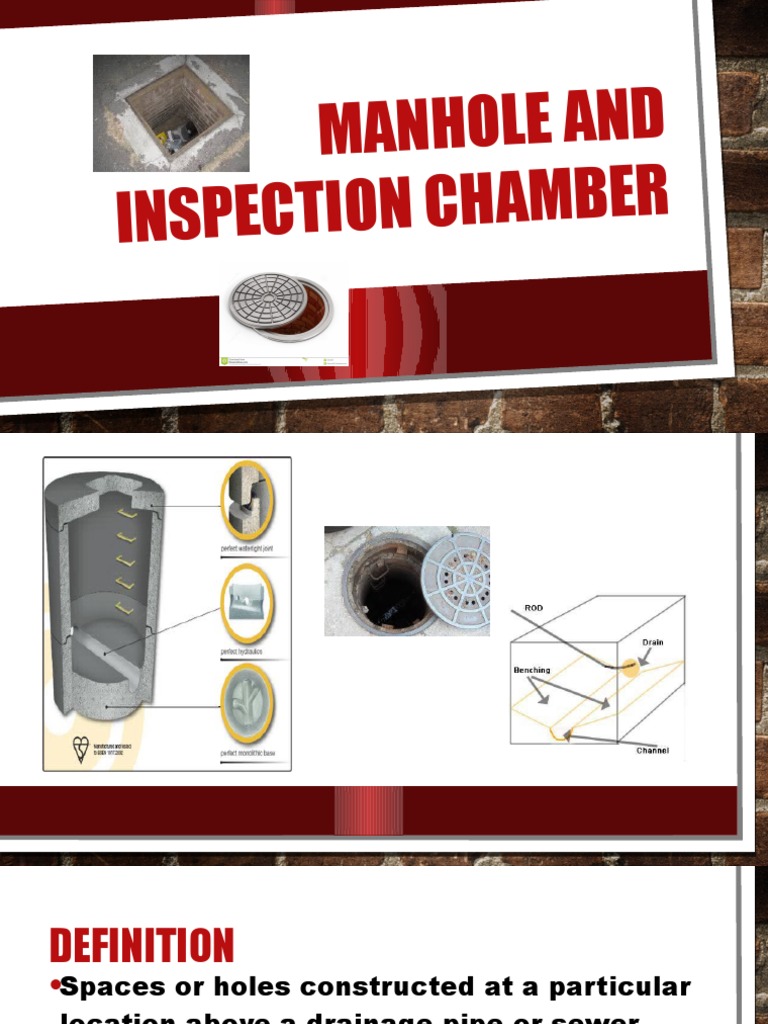
A manhole is a vertical access point that allows workers to reach underground utility networks, primarily for sewerage or drainage systems. Typically round or square, manholes are designed to endure the heavy loads of streets above. The covers are usually constructed from cast iron or reinforced concrete, providing strength and durability against traffic and environmental wear.

Conversely, an inspection chamber is a smaller, usually rectangular, underground structure focused on facilitating access to pipe junctions and providing a means to inspect and clean pipelines. Although often found in similar contexts as manholes, inspection chambers are generally constructed to cover smaller sections of drainage networks and are used in a variety of settings—residential and commercial alike.
Functional Differences
Functionality is where the real distinction lies. Manholes are designed for substantial access; they allow workers to enter the underground realm for extensive repairs, maintenance, or inspections. The generous dimensions accommodate the necessary equipment and personnel, making them suitable for long-term maintenance tasks. In essence, a manhole often serves as a hub for larger sewer or drainage systems, permitting the connection of multiple lines.
On the other hand, inspection chambers are intended primarily for access and monitoring rather than entry. They simplify the process of examining specific pipelines or junctions, allowing maintenance workers to clear blockages or conduct system diagnostics without the need for extensive entry points. The compact nature of these chambers makes them particularly useful in residential areas where space is limited.
Design Characteristics
When comparing manholes and inspection chambers, several design characteristics warrant attention. The dimensions of manholes vary significantly, often measuring between 600 mm to 1200 mm in diameter. This spaciousness isn’t merely arbitrary; it enables the housing of multiple pipe entries and the maneuverability of workers. The access points are strategically located across urban landscapes, ensuring that every segment of the sewer network is within reach.
Inspection chambers, however, boast much smaller proportions. Typically, their dimensions are around 450 mm to 600 mm in width and height, tailored for specific junctions rather than overarching systems. Their design often includes features such as easily removable covers and built-in access points for maintenance tools, reflecting their purpose of providing convenient inspections rather than comprehensive access.
Applications and Placement
Both manholes and inspection chambers serve vital roles in urban design but are employed differently based on location and specific infrastructure needs. Manholes are prevalent in high-traffic areas, such as main roads, highways, and industrial zones. Their robust design allows them to withstand substantial pressure, which makes them ideally suited for these environments. Furthermore, manholes tend to be used in circumstances that require regular substantial maintenance, given the volume of wastewater they manage.
Inspection chambers, in contrast, find their home in residential areas, commercial lots, and smaller drainage systems. They are often placed at critical points in the drainage network—such as at junctions, where pipes branch off from one another—so that maintenance crews can easily diagnose issues without the need for digging up extensive portions of ground. The convenience of inspection chambers makes them a favourite among urban planners and civil engineers.
Maintenance and Lifespan
The maintenance requirements differ significantly between these two structures. Manholes are subjected to the rigours of urban traffic and need regular inspections to ensure their structural integrity. Over time, exposure to various elements may degrade their function, necessitating timely repairs to avoid substantial issues. However, a well-maintained manhole has a lifespan that can exceed 50 years.
Inspection chambers, by nature, experience less wear and tear. While they still require occasional inspection to ensure that blockages are cleared and that entry points are intact, their smaller size often means that the maintenance process is simpler and less frequented in comparison. A properly constructed inspection chamber could also enjoy a lifespan similar to that of a manhole, provided that it is adequately cared for.
Conclusion: The Unsung Heroes
As we unravel the intricacies of manholes and inspection chambers, it becomes clear that these structures are more than mere access points for underground utilities; they are integral components of our urban infrastructure. Each serves a unique purpose within the vast network of pipes that sustain our cities, bringing essential services right to our doorsteps. Understanding the differences—both functional and physical—between manholes and inspection chambers allows for a newfound appreciation of the subtle complexities that underpin the urban environment.
So, the next time you see a manhole cover or an inspection chamber lid, take a moment to reflect on their roles. They may appear inconspicuous, but within their depths lies an intricate web of engineering and design that supports the very foundation of our daily lives.
FAQ
What is the primary function of a manhole?
The primary function of a manhole is to provide a vertical access point for workers to reach underground utility networks for maintenance and inspections.
How does an inspection chamber differ from a manhole?
An inspection chamber is typically smaller and designed for access to pipe junctions for inspection and maintenance, while a manhole allows for extensive entry for repairs.
Where are manholes commonly found?
Manholes are commonly found in high-traffic areas such as main roads, highways, and industrial zones.
What is the lifespan of a manhole?
A well-maintained manhole can have a lifespan that exceeds 50 years.


Leave a Reply