Short Answer
Beef olives are an exquisite addition to the repertoire of hearty, homely meals that evoke nostalgia and warmth. This dish boasts a plethora of variations and cooking techniques, with the slow cooker emerging as a champion of convenience. When prepared with tender cuts of beef enveloping a flavoursome stuffing, beef olives transform into a tender delicacy when slow-cooked. In this article, we will explore the nuances of crafting beef olives, the selection of suitable ingredients, variations in stuffing, and precise cooking times to achieve the ultimate slow-cooked perfection.
Understanding Beef Olives
At the core of the beef olive concept lies a delightful amalgamation of beef and stuffing, traditionally rolled and typically braised. These meat rolls create a marriage of flavours that are enhanced in a slow cooker, allowing the juices to mingle and the meat to tenderise beautifully. To embark on your culinary adventure, it’s essential to select the right type of beef, commonly using flank or silverside for their ability to transform under low and slow cooking conditions.
Choosing the Right Cut of Beef

When it comes to beef olives, not all cuts are created equal. The ideal beef for rolling should be slightly lean yet possess enough fat content to ensure juiciness. Flank steak is a popular choice due to its robust flavour and ease of rolling. Silverside, another prime candidate, renders particularly succulent results as it breaks down over prolonged cooking periods. If you prefer a more decadent option, consider using brisket, which, although a tad pricier, imbues the dish with an unmistakable richness.
Preparing the Filling
The stuffing is where personal flair can truly shine. A classic filling typically comprises breadcrumbs, finely diced vegetables, herbs, and seasoning. For a recipe that sings with depth, consider utilising sautéed onions, garlic, and chopped herbs such as parsley, thyme, or rosemary. A hint of Dijon mustard can add a delightful tang to the stuffing, while grated cheese lends a sumptuous creaminess. For a more adventurous take, consider integrating cooked bacon, mushrooms, or even nuts for an unexpected crunch.
Rolling Technique
Rolling the beef with precision is paramount in ensuring an even cook and optimal flavour. Begin by flattening the slices of beef to an even thickness, making it easier to roll. Lay down a generous portion of the prepared filling on each slice, but be cautious not to overstuff, as this can lead to spilling during the cooking process. With a steady hand, roll the beef tightly from one end to the other, securing it with string or toothpicks for stability in the slow cooker.
Creating a Sauce
The sauce is an integral component of slow-cooked beef olives, as it infuses the meat with flavour and creates a luscious gravy. Begin by sautéing onions and garlic in the slow cooker if it allows. A splash of red wine can elevate the dish, complemented by beef stock and a dollop of tomato purée. Herbs, such as bay leaves or thyme, add complexity to the sauce, while a touch of Worcestershire sauce enhances the umami profile. As the beef olives cook, the sauce will thicken and envelop the rolls in a delightful cloak of flavour.
Cooking Times for Perfect Tenderness
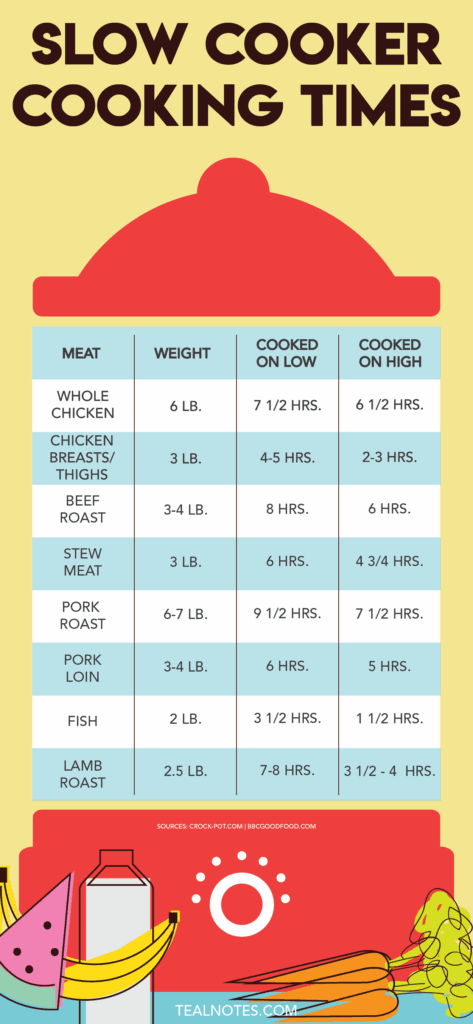
The beauty of a slow cooker lies in the consistent, low heat that gently transforms tougher cuts into tender morsels. For beef olives, cooking times can vary based on the size of your rolls and the specific slow cooker model. Typically, a cooking time of 6 to 8 hours on low should yield melt-in-your-mouth results. For those in a time crunch, a high setting for 3 to 4 hours could suffice, albeit with a possible compromise in tenderness.
Serving Suggestions
Beef olives, when plated, need proper accompaniments to balance the richness of the dish. Serve them atop a bed of creamy mashed potatoes or a hearty mound of polenta to soak up the delectable sauce. Seasonal vegetables such as roasted carrots, green beans, or braised red cabbage bring an added layer of colour and nutrition. For those seeking to elevate their dish further, a sprinkle of fresh herbs or a drizzle of balsamic reduction can add a visually appealing finish.
Exploring Variations
The versatility of beef olives extends beyond the traditional taste profiles. For those who adore international cuisine, infusing flavours such as Italian herbs and cheeses can create a delightful version reminiscent of a lasagna roll. Alternatively, a Middle Eastern twist can be achieved by incorporating spices such as cumin or coriander into the stuffing along with dried fruits like apricots or raisins for an unexpected sweetness. Each variation invites further exploration and experimentation.
Final Thoughts
The slow cooker has revitalised the way we approach classic recipes such as beef olives, marrying ease with culinary artistry. By understanding the contrasts between cuts of beef, carefully selecting the stuffing, and perfecting the cooking process, anyone can produce a stunning dish worthy of any dinner table. Armed with the right knowledge and a bit of creativity, beef olives can become a familial favourite that bridges the gap between modern convenience and traditional comfort food.
FAQ
What are beef olives?
Beef olives are rolled beef slices filled with stuffing, slow-cooked to tenderness.
How long should I cook beef olives in a slow cooker?
Cook beef olives on low for 6 to 8 hours or on high for 3 to 4 hours.
What is the best cut of beef for beef olives?
Flank steak and silverside are ideal cuts for making beef olives.
Can I customize the filling for beef olives?
Yes, you can add various ingredients like herbs, vegetables, and even bacon to the filling.


Leave a Reply