Short Answer
In the realm of home improvement and interior design, the importance of functionality cannot be overstated. One of the pivotal elements that harmoniously combines utility with elegance is the soft close door damper. This ingenious mechanism not only supplies a touch of luxury but simultaneously enhances the practicality of everyday living spaces. In this article, we delve into the myriad benefits of soft close door dampers, detail their installation process, and explore essential maintenance practices.
Understanding Soft Close Door Dampers
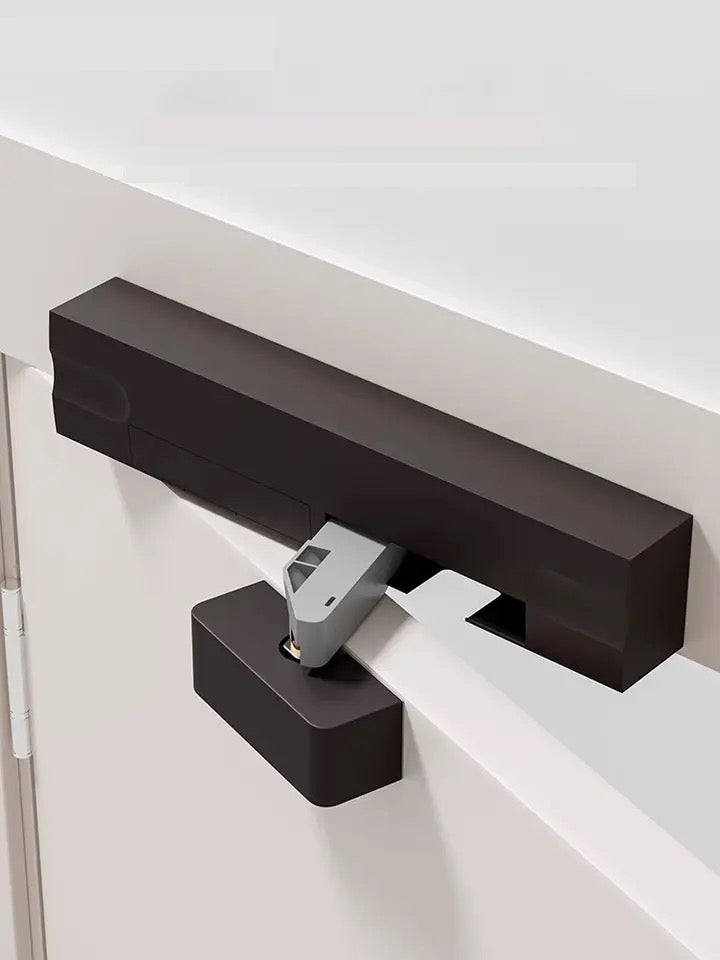
A soft close door damper is a mechanical device designed to facilitate the gradual and noiseless closing of doors. Unlike traditional hinges that allow doors to slam shut, the soft close feature employs hydraulic or pneumatic mechanisms to control the motion of the door, promoting a gentle closure. This innovation is particularly prevalent in kitchens and bathrooms, where the cacophony of slamming doors can detract from a tranquil environment.
Benefits of Soft Close Door Dampers

Investing in soft close door dampers yields a plethora of advantages:
- Noise Reduction: One of the most immediate benefits is the significant reduction in noise. No longer will you endure the startling thud of a door closing abruptly. Instead, the soft close mechanism ensures that the door glides into place, minimising disruption and preserving the tranquillity of your home.
- Enhanced Safety: Soft close door dampers improve safety, particularly in households with young children or pets. The risk of fingers or paws being caught in closing doors is drastically diminished, thereby increasing the overall safety of your living space.
- Durability: The gradual stopping motion of a soft close mechanism places less stress on the door and its frame. This reduced wear and tear can extend the lifespan of not only the door but also the hardware itself, representing a cost-effective solution in the long run.
- Aesthetic Appeal: The seamless transition of doors enhanced by a soft close damper adds a touch of sophistication to any setting. Homeowners and designers alike favour the refined aesthetic that comes with a quiet and controlled door closure.
- Convenience: This technology is particularly beneficial for busy households. The effortless operation of soft close doors allows individuals to move seamlessly through spaces, contributing to a more efficient home life.
Types of Soft Close Door Dampers
Soft close door dampers vary in design and mechanism. Understanding these variations can assist in selecting the right damper for your doors:
- Hydraulic Dampers: Hydraulic dampers utilise the resistance of fluid to control the motion of the door. They offer a consistent closing speed and are widely regarded for their reliability and performance.
- Pneumatic Dampers: Operating on air pressure, pneumatic dampers are lightweight and easier to install. However, they may not offer the same level of control as their hydraulic counterparts, making them suitable for lighter doors.
- Magnetic Dampers: These dampers exploit magnetic forces to create a soft stop. They are discreet and are often integrated into cabinetry, allowing for a clean and neat appearance.
- Spring Dampers: Spring-assisted dampers use a coil spring to absorb impact and decelerate the door’s movement. They are a budget-friendly alternative but may not achieve the same level of smooth operation as hydraulic or pneumatic models.
Installation of Soft Close Door Dampers
The installation process for soft close door dampers can vary based on the type of damper and the door’s construction. However, the general steps are as follows:
- Preparation: Begin by gathering the necessary tools, such as a drill, screwdriver, measuring tape, and level. Additionally, ensure that the workspace is clean and free from obstruction.
- Remove the Door: To facilitate installation, it is often necessary to remove the door from its hinges. This can be achieved by unscrewing the hinges and lifting the door away from the frame. Exercise caution to avoid damaging the door or the frame.
- Marking Positions: With the door removed, mark the desired locations for the damper installation. This involves careful measurement to ensure proper alignment and function.
- Drilling Holes: Once the positioning is marked, drill holes according to the manufacturer’s specifications. Precision in this step is crucial for optimal performance.
- Attach the Damper: Secure the damper in place using screws provided with the product. Ensure that it is firmly attached and that any adjustable settings are configured according to the desired closing speed.
- Rehang the Door: After the damper is installed, rehang the door on its hinges. Verify that it operates smoothly and that the damper is effectively controlling the closing mechanism.
Maintenance of Soft Close Door Dampers
To ensure the longevity and efficacy of soft close door dampers, regular maintenance is essential. Adhering to these guidelines can prolong their operational life:
- Regular Inspection: Routinely inspect the damper for any signs of wear, such as leaks or signs of damage. Early detection can prevent further issues from arising.
- Cleaning: Keep the surface of the damper clean and free from dust or debris to maintain smooth operation. A soft, damp cloth can suffice for regular cleaning tasks.
- Lubrication: Depending on the type of damper, occasional lubrication may enhance performance. Check the manufacturer’s guidelines for recommended lubrication practices.
- Adjustment: Occasionally, the closing speed or mechanism may require adjustments. Regular checks will help in making timely modifications to ensure optimal function.
In conclusion, soft close door dampers are an invaluable enhancement to modern residences. They embody the perfect marriage of convenience, safety, and elegance. As technology progresses, the evolution of these components appears more promising, ushering in doors that not only close softly but elevate the aesthetic experience of every space they inhabit. Whether you are redoing your kitchen or upgrading your living spaces, soft close door dampers can significantly improve your home’s ambiance and functionality.
FAQ
What is a soft close door damper?
A soft close door damper is a mechanical device that allows doors to close gradually and silently, preventing slamming.
What are the benefits of using soft close door dampers?
They offer noise reduction, enhanced safety, increased durability, aesthetic appeal, and convenience.
How do you install a soft close door damper?
Installation involves gathering tools, removing the door, marking positions, drilling holes, attaching the damper, and rehanging the door.
How do you maintain soft close door dampers?
Regular inspection, cleaning, lubrication, and adjustments are essential to ensure longevity and efficacy.



Leave a Reply