Short Answer
Teeth, much like the foundations of a grand edifice, require steadfastness to endure through the trials of life. When they begin to shift, it’s akin to the gradual creeping of a fault line beneath the surface—an ominous sign that something is amiss. Understanding the early warnings that indicate your teeth may be shifting is imperative, for these signs serve as a clarion call, urging you to seek the necessary intervention before the subtle shifts evolve into more conspicuous disasters.
Here are twelve critical signs that your teeth are shifting and should never be ignored:
1. Altered Occlusion
Your occlusion, or the way your teeth align when you bite down, can be disrupted when shifting occurs. If you notice changes in how your teeth fit together—perhaps a tooth feels as if it’s consistently hitting another improperly—it’s time to take notice. This misalignment not only hampers your ability to chew but also places undue stress on your jaw.
2. Changes in Speech
The connection between your teeth and the articulation of speech is profound. If you find yourself lisping or struggling to pronounce certain words, the underlying cause might well be a shift in dental positioning. The tongue often relies on teeth as landmarks for speech; any disruption can lead to a cascade of verbal hurdles.
3. Increased Sensitivity
As teeth shift, they may expose sensitive areas that weren’t previously vulnerable. An uptick in discomfort while consuming hot, cold, or sweet substances is a telltale indicator. This sensitivity may act as a silent siren, alerting you to the fact that structural integrity and proximity to nerves have been compromised.
4. Discomfort or Pain
Teeth aren’t meant to be movable; they thrive within their respective settings. If you experience discomfort or pain that persists, particularly when biting down, it may signify that your teeth are on their way to rogue behaviour. This discomfort can lead, if neglected, to chronic issues requiring extensive intervention.
5. Jaw Pain or Tightness
The interplay between how your teeth align and the corresponding pressure applied to your jaw is intricate. Shifting teeth can lead to alterations in dental occlusion, which may, in turn, cause jaw pain or tightness—symptoms that are too often dismissed until they become severe. The connection is undeniable; your jaw communicates with your teeth, and any discord in this relationship can result in discomfort.
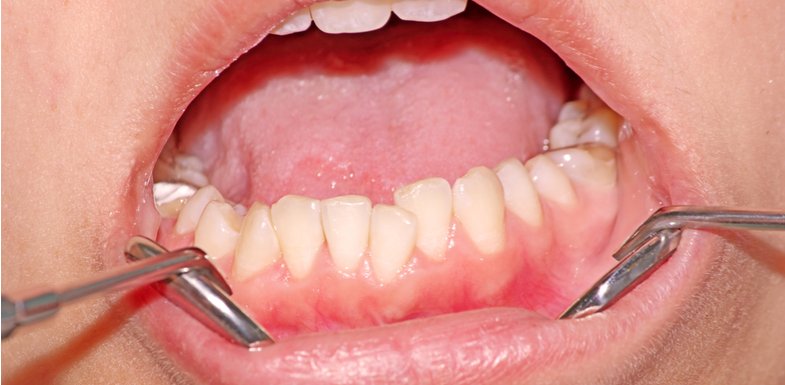
6. Gaps Between Teeth
Just as bricks can settle and create gaps in a wall, your teeth may also shift, leading to unexpected spaces between them. The emergence of gapped teeth can ruin your smile’s symmetry, but more importantly, it can create an environment conducive to plaque accumulation, potentially leading to further oral health complications.
7. Changes in Facial Appearance
The alignment of your teeth and the overall structure of your jaw play pivotal roles in defining your facial contours. If your teeth begin to shift significantly, it may subtly alter your facial morphology. Friends and family may comment on these changes, which often signal deeper issues lurking beneath the surface.
8. Bad Breath
Unexpected dental issues can often surface as chronic halitosis. When teeth shift, they can create pockets of space that harbour bacteria, leading to bad breath despite diligent oral hygiene. It might seem trivial, but this could be indicative of deeper shifts necessitating attention.
9. Difficulty in Flossing
A healthy set of teeth should permit seamless flossing; however, if gaps form due to shifting, you may find that your routine becomes more of a chore. Difficulty in accessing certain areas between your teeth signals that a change has occurred, demanding scrutiny and follow-up action.
10. Tartar Build-Up
With shifting teeth comes a higher propensity for tartar accumulation, a consequence of the newly formed crevices. Tartar not only undermines aesthetic appeal but can also lead to periodontal issues if left unchecked. This is more than a cosmetic concern; it is a call to arms within your oral health regime.
11. Loose Teeth
If a tooth begins to feel unexpectedly loose, it’s time to panic. Loose teeth can signal profound underlying issues, including bone loss, that are often precipitated by shifting. This not only threatens the individual tooth but can also have cascading effects on neighbouring teeth and overall dental health.
12. Inconsistency in Retainers
For individuals who wear orthodontic retainers, noticing that the retainer no longer fits as it should may indicate a shift in your teeth. Retainers are designed to maintain alignment post-orthodontic treatment, and any sign of discomfort or lack of fit should drive you to consult your orthodontist without delay.
In conclusion, your teeth are not mere ornaments; they are crucial components of your general well-being. Ignoring the signs of shifting teeth can lead to significant discomfort and health complications down the line. Stay attuned to the messages your body sends, and seek professional advice if you encounter any of these signs. Proactive measures can safeguard the stability of your dental landscape, ensuring your smile remains beautiful and intact for years to come.
FAQ
What causes teeth to shift?
Teeth can shift due to natural aging, loss of teeth, gum disease, orthodontic treatment relapse, or injury.
How can I prevent my teeth from shifting?
Maintaining good oral hygiene, wearing retainers after orthodontic treatment, and regular dental check-ups can help prevent teeth shifting.
When should I see a dentist about shifting teeth?
If you notice any signs such as changes in bite, gaps forming, pain, or looseness of teeth, you should consult a dentist promptly.
Can shifting teeth affect my overall health?
Yes, shifting teeth can lead to bite problems, jaw pain, increased risk of decay, gum disease, and affect facial structure.


Leave a Reply