Short Answer
Understanding the rabies vaccine and its longevity is a crucial aspect of responsible pet ownership. This vaccine is not merely a safeguard against an intimidating disease; it embodies a commitment to public health and the well-being of our furry companions. In this article, we shall dissect the intricacies of the rabies vaccine, elucidate its duration of efficacy, and clarify the guidelines surrounding booster vaccinations.
The Sinister Nature of Rabies
Rabies remains one of the most dreaded zoonotic diseases known to humankind. The virus typically spreads through the saliva of an infected animal, often via bites. Once clinical symptoms manifest, rabies is nearly always fatal, making prevention through vaccination indispensable. The rabies vaccine serves as a potent shield, imbuing pets with immunity against this insidious virus.
The Efficacy of the Rabies Vaccine
Upon administration, the rabies vaccine stimulates the pet’s immune system to produce antibodies against the rabies virus. But just how long do these antibodies provide protection? Research suggests that most pets, particularly dogs and cats, develop a robust immune response that can last for a varying number of years. In most cases, the immunity provided by the vaccine tends to endure for three years. However, this varies based on individual health factors, the specific vaccine used, and local legislation regarding rabies.
Vaccination Protocols and Duration
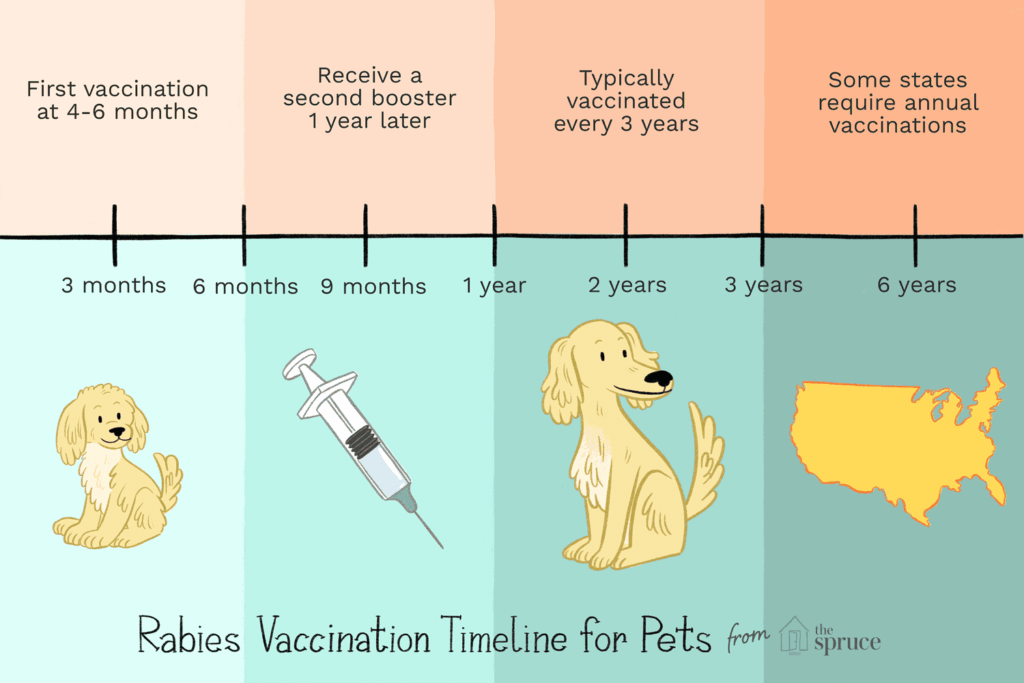
The duration of protection offered by the rabies vaccine hinges significantly on the age of the pet at the time of vaccination and the type of vaccine administered. Initial vaccinations usually begin when a pet is around 12 to 16 weeks old. This initial shot is often followed by a booster administered one year later. After this point, many vaccines provide immunity for up to three years, although some jurisdictions may mandate annual revaccination.
It is worth noting that while the three-year duration is the norm, certain vaccines may be specifically formulated for extended immunity and could last longer. Consequently, pet owners must consult their veterinarians to discern the most suitable vaccine and schedule for their particular pet.
Why Regular Boosters Matter
In the context of rabies vaccination, the concept of ‘boosters’ plays a phenomenal role. Regularly scheduled boosters are crucial in maintaining an effective level of immunity, especially in circumstances where the pet might have a higher risk of exposure to rabies. A lapse in the booster schedule could leave your pet vulnerable to this deadly virus.
Moreover, local laws often dictate vaccination schedules. Some regions may require a rabies vaccine annually, while others accept triennial vaccinations. Adhering to these regulations not only protects your pet but also helps to maintain broader public safety. Rabies is a public health concern; therefore, responsible pet ownership entails compliance with vaccination regulations.
The Variability of Immunity
While vaccination is extraordinarily effective, individual variability does exist in the immune response of pets to the rabies vaccine. Factors such as the pet’s age, overall health, underlying medical conditions, and even breed can influence how long the immunity lasts. Furthermore, certain pets may require additional boosters or have different vaccination needs based on lifestyle and exposure risks.
For instance, working or hunting dogs frequently exposed to wildlife may necessitate more stringent vaccination schedules due to their heightened risk of rabies exposure. Consulting with a veterinarian to tailor a vaccination plan that considers all these nuances is vital in ensuring a pet’s health and safety.
Signs of Rabies Infection
The symptoms of rabies can be deceptively benign in early stages and progress rapidly. Initial signs include behavioural changes, fever, and subtle, non-specific symptoms. As the disease advances, however, symptoms escalate to restlessness, aggression, hydrophobia (fear of water), paralysis, and ultimately, death. Understanding these signs can promote swift action, potentially saving both the pet’s life and protecting human health.
Conclusion: A Preventative Approach
Through heightened awareness and responsible vaccination practices, pet owners can shield their beloved companions from the ravages of rabies. While the rabies vaccine is remarkably effective, it is not a one-off solution but a crucial component of routine preventative care. Regular consultations with a veterinarian and adherence to recommended vaccination schedules can ensure that pets remain safeguarded against this formidable disease.
Fostering a culture of responsibility and awareness regarding rabies vaccination extends beyond individual pet ownership; it significantly contributes to community health. Ultimately, the act of vaccinating against rabies is a testament to the bond shared between a pet and its owner, reflecting an enduring commitment to protection, love, and mutual well-being.
FAQ
How often should pets receive rabies boosters?
Most pets should receive rabies boosters every three years, but local laws may require annual vaccinations.
What are the signs of rabies in pets?
Early signs include behavioral changes and fever, progressing to aggression, hydrophobia, paralysis, and death.


Leave a Reply