Short Answer
The progesterone test for dogs has garnered significant attention among pet owners and veterinarians alike, particularly due to the crucial role it plays in reproductive health. This diagnostic tool serves not only to ascertain optimal breeding times but also to monitor various aspects of a female dog’s reproductive cycle, making it essential for responsible pet ownership and breeding practices.
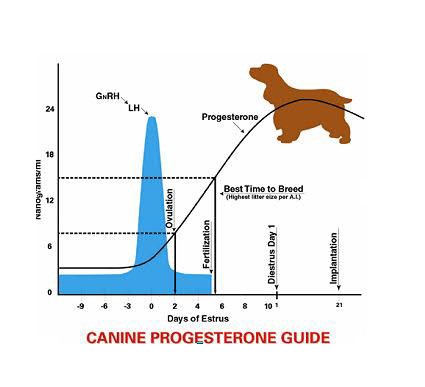
Understanding the need for a progesterone test begins with knowledge of the canine reproductive cycle. Female dogs go through different stages, namely proestrus, estrus, diestrus, and anestrus. The estrus phase, commonly known as the heat cycle, usually peaks between the 9th and 14th day. It is during this time that ovulation occurs, making it pivotal for breeders to pinpoint the optimal window for mating. Hence, the role of progesterone becomes indispensable; this hormone surges to facilitate ovulation, signalling the perfect moment for breeding.
Timing is a quintessential aspect when it comes to administering the progesterone test. The most effective approach is to start testing approximately 7 to 10 days after the onset of proestrus. This is where the complexities emerge, as not all female dogs exhibit consistent behavioural signs during their heat cycles. Therefore, a judicious selection of testing timeframes can be relatively simplistic for some and entirely perplexing for others. The veterinarians will typically recommend tests at strategic intervals, helping to record the rise and subsequent peak of progesterone levels. It provides invaluable insights into the reproductive cycle’s dynamics, enabling a smoother breeding process.
The cost of a progesterone test can vary widely based on geographical location, the veterinary practice involved, and the specific testing methods employed. On average, prices can range from £50 to £150 per test. Some veterinary clinics offer package deals that may include additional tests or services, thereby providing a cost-effective solution for pet owners looking to breed. Nevertheless, it’s imperative to remember that opting for a test is an investment in the long-term health of the dog and the potential offspring, mitigating kinks in the breeding process.
Upon receiving the results, interpretations can yield an array of revelations. Typically, progesterone levels under 2 ng/mL indicate that the female is not yet ready for breeding. Levels ranging between 2 ng/mL and 5 ng/mL suggest imminent ovulation, whereas a spike over 5 ng/mL manifests that ovulation has indeed occurred. When progesterone climbs above 10 ng/mL, it is often indicative of a successful mating, with levels peaking around 20 ng/mL. Such clarity offers breeders confidence in their breeding schedules, concurrently reducing the anxiety that might pervade the unknowns of reproductive timing.
Furthermore, it’s not just about determining the right moment for breeding; the progesterone test also plays a pivotal role in monitoring pregnancy. Following successful mating, subsequent tests can indicate whether the female dog has indeed conceived. Rising levels of progesterone post-mating democratise the early detection of pregnancy, allowing for early veterinary intervention should complications arise.
While the progesterone test is indispensable, it can also serve as a window into other health concerns. Abnormally low or erratic progesterone levels may hint at underlying hormonal imbalances or ovarian disorders. Conversely, excessively high levels might raise red flags for conditions such as ovarian tumours or the presence of cysts. As such, the progesterone test can be more than a mere reproductive tool; it can unveil systemic issues that warrant veterinary attention.
The emotional implications surrounding the breeding process and the profound desire for healthy litters bring to light an interesting aspect of human-animal connection. Pet owners often feel an intrinsic bond with their dogs; thus, the prospect of breeding goes beyond biological motives. Each step, from testing to birthing, is imbued with aspirations of legacy, companionship, and the pure joy of creating life. The progesterone test, in this sense, encapsulates more than just statistics; it signifies the delicate interplay between animal welfare and the dreams of committed owners.
Moreover, advancements in veterinary medicine have introduced various testing methods that enhance reliability and efficiency. Rapid tests, for instance, can provide results during a single consult, whereas traditional laboratory tests generally require a few days for results. The choice between these options often hinges on urgency, cost, and the specific context of the breeding scenario. This evolution in testing methods reflects the growing recognition of veterinary sciences and their intricate connection with pet wellness.
In summary, the progesterone test for dogs serves multiple purposes—timing matings, monitoring pregnancies, and unraveling potential health issues. It is a cornerstone of responsible breeding practices that enhances the relationship between pet owners and their furry companions. Knowing when to test, understanding the associated costs, and interpreting the results can profoundly impact the wellbeing of both the dog and the forthcoming generations. By embracing this diagnostic tool, pet owners are not merely utilising a scientific method but are also participating in an elaborate dance of life that showcases the profundity of their connection to the animal kingdom.
FAQ
What is the progesterone test used for in dogs?
It helps identify the optimal breeding time, monitors pregnancy, and detects hormonal or reproductive health problems.
When is the best time to perform a progesterone test on a dog?
Starting approximately 7 to 10 days after proestrus begins and continuing at intervals for accurate timing.
How much does the progesterone test typically cost?
Costs vary but generally range between £50 and £150 depending on location and veterinary services.
What do different progesterone levels indicate?
Levels under 2 ng/mL mean the dog is not ready for breeding; 2-5 ng/mL indicates impending ovulation; above 5 ng/mL confirms ovulation.
Can abnormal progesterone levels indicate other health issues?
Yes, they can suggest hormonal imbalances, ovarian disorders, or other reproductive health concerns.





Leave a Reply