Short Answer
Gammon hock, often overlooked in the realm of meaty delights, is a treasure trove of culinary potential. With its rich, succulent flavour and the promise of a tender bite, this cut invites chefs and home cooks alike to explore new gastronomic territories. In this guide, we embark on a culinary journey, unveiling the art of preparing gammon hock with reverence and flair. Here’s how to transform this humble cut into a display of hardy yet sophisticated flavour.
Understanding Gammon Hock
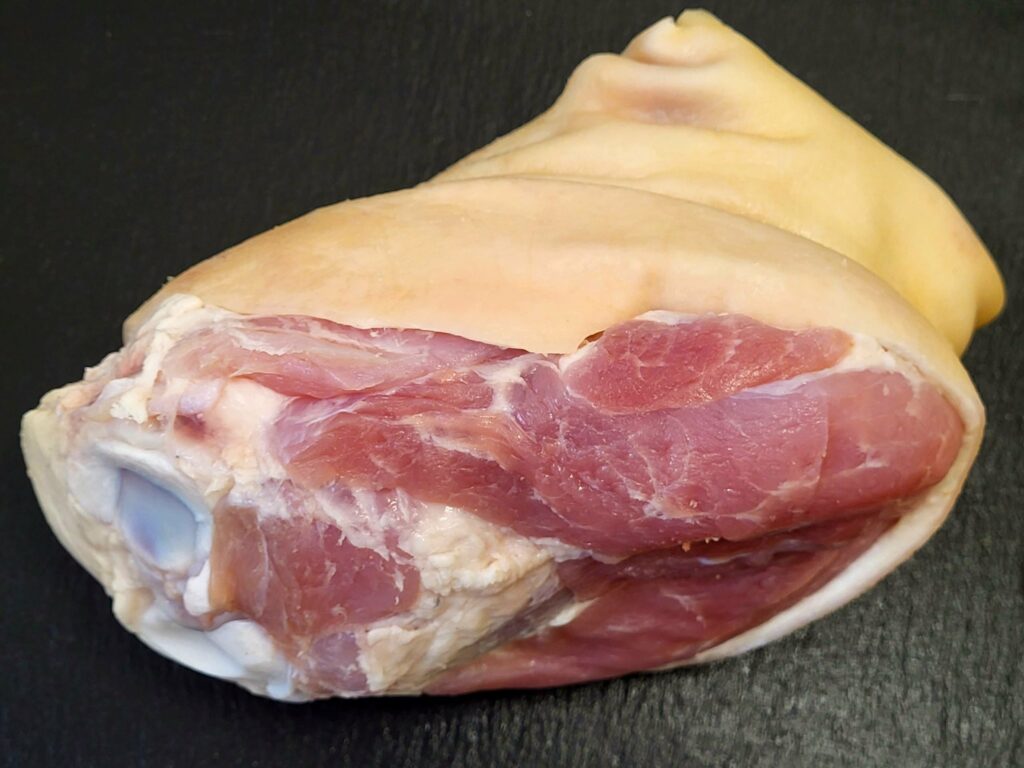
The gammon hock, derivative of the hind leg of a pig, is brined or cured, offering a distinctive saltiness that marries beautifully with a plethora of seasonings. Its availability often spikes during festive periods, yet its versatility extends well beyond the holiday table. Comprising connective tissues and fat, this cut demands meticulous cooking to coax out its hidden tenderness while preventing it from descending into chewiness.
Preparation: The First Step to Succulence
Before you initiate the cooking process, it is paramount to prepare your gammon hock correctly. To do so, follow these preparatory steps:
- Soaking: If your hock is particularly salty, consider soaking it in cold water for a few hours, or even overnight, to alleviate excess salt. This step is crucial for achieving a balanced flavour.
- Trimming: Trim away any excessively thick skin or fat that might inhibit the cooking process. A well-prepared hock ensures even cooking and enhances the overall texture.
- Aromatic Infusion: Score the skin in a diamond pattern, allowing flavours from your chosen herbs and spices to permeate the meat more effectively during cooking.
Cooking Methods: Diverse Approaches to Delight
Gammon hock can be prepared in a myriad of ways, each method unveiling a unique aspect of the meat’s character. Here are several methods you may ponder:
- Boiling: An age-old tradition, boiling hock yields a tender, moist result. Place the hock in a large pot, cover with water, and add aromatics such as bay leaves, juniper berries, and onion. A two to three-hour simmer on a low heat guarantees that the collagen melts, transforming the meat into a melt-in-your-mouth sensation.
- Slow Roasting: For those who crave a crispy exterior, slow roasting is an exceptional route. Preheat your oven to 160°C (320°F). Place the hock in a roasting tray, slather it with mustard and honey, and roast for approximately four hours. The low temperature allows the fat to render and the meat to caramelise, resulting in a luscious contrast of textures.
- Pressure Cooking: If time is of the essence, the pressure cooker offers a modern twist to gammon cooking. Adding a cup of stock to the pot and cooking under high pressure for around 30 minutes will yield meat that is tender and infused with flavour in a fraction of the usual time.
Tender Recipes to Tempt Your Taste Buds
Equipped with the methods above, it is time to contextualise them within some tantalising recipes that will leave diners clamouring for more. Here are three stimulating ideas:
- Gammon Hock with Cider and Apples: This dish marries the rich savouriness of the hock with the tartness of apples and the sweet undertones of cider. Slow roast your hock, nestling it among quartered apples and a generous splash of cider. The result? A dish that evokes the warmth and comfort of autumn.
- Spicy Glazed Gammon Hock: Infuse your cooking with a hint of spice by creating a glaze of apricot jam mixed with a dash of chilli flakes. Roast the hock whilst basting regularly, allowing the sticky, sweet heat to develop a mouthwatering crust that contrasts beautifully with the delicate flesh.
- Gammon Hock Soup: After boiling, reserve the cooking liquid to form the base of a robust soup. Incorporate hearty vegetables such as carrots, potatoes, and leeks, along with flecks of your cooked gammon. A sprinkle of fresh parsley elevates the dish, pushing it toward the realms of gourmet dining.
Cooking Times: Precision Matters
Precision in cooking times is crucial for unlocking the full potential of your gammon hock. General guidelines suggest:
- Boiling: 2 to 3 hours depending on size.
- Slow Roasting: 4 hours at a lower temperature.
- Pressure Cooking: 30 minutes under high pressure.
Always ensure the internal temperature reaches at least 70°C (160°F) for food safety, and allow the meat to rest for several minutes post-cooking before slicing. This resting period permits juices to redistribute, ensuring each morsel is as juicy as possible.
Final Thoughts: Embrace the Unexpected
Culinary exploration often begins with a single, albeit overlooked ingredient like gammon hock. Armed with these techniques and recipes, you are poised not just to cook, but to create a narrative centred around this marvellous meat. Allow your taste buds to embark on a journey of flavour while providing nourishment and warmth to those around you. The humble hock beckons you to break boundaries and cultivate a new appreciation for the culinary art of cooking meat. Embrace the unexpected and let your kitchen become a theatre of culinary innovation!
FAQ
What is a gammon hock?
A gammon hock is the hind leg cut of a pig that has been cured or brined, commonly used in traditional cooking.
How should I prepare gammon hock before cooking?
Soak to reduce saltiness if needed, trim excessive skin and fat, and score the skin for better flavor infusion.
What are the best cooking methods for gammon hock?
Boiling for tenderness, slow roasting for crispy exterior, and pressure cooking for faster results.
How do I ensure gammon hock is safely cooked?
Cook until the internal temperature reaches at least 70°C (160°F) and allow to rest before slicing.
Can I use the leftovers from cooking gammon hock?
Yes, the cooking liquid can be used as a base for soups or stocks.



Leave a Reply