Short Answer
When it comes to pampering our canine companions, few treats evoke more enthusiasm than marrow bones. These delectable delights are not only a mouth-watering snack but also serve various health benefits for our furry friends. Nevertheless, it is imperative to approach marrow bones with caution, understanding both their advantages and potential hazards. This comprehensive guide aims to illuminate the safety, benefits, and feeding considerations surrounding marrow bones for dogs.
Understanding Marrow Bones
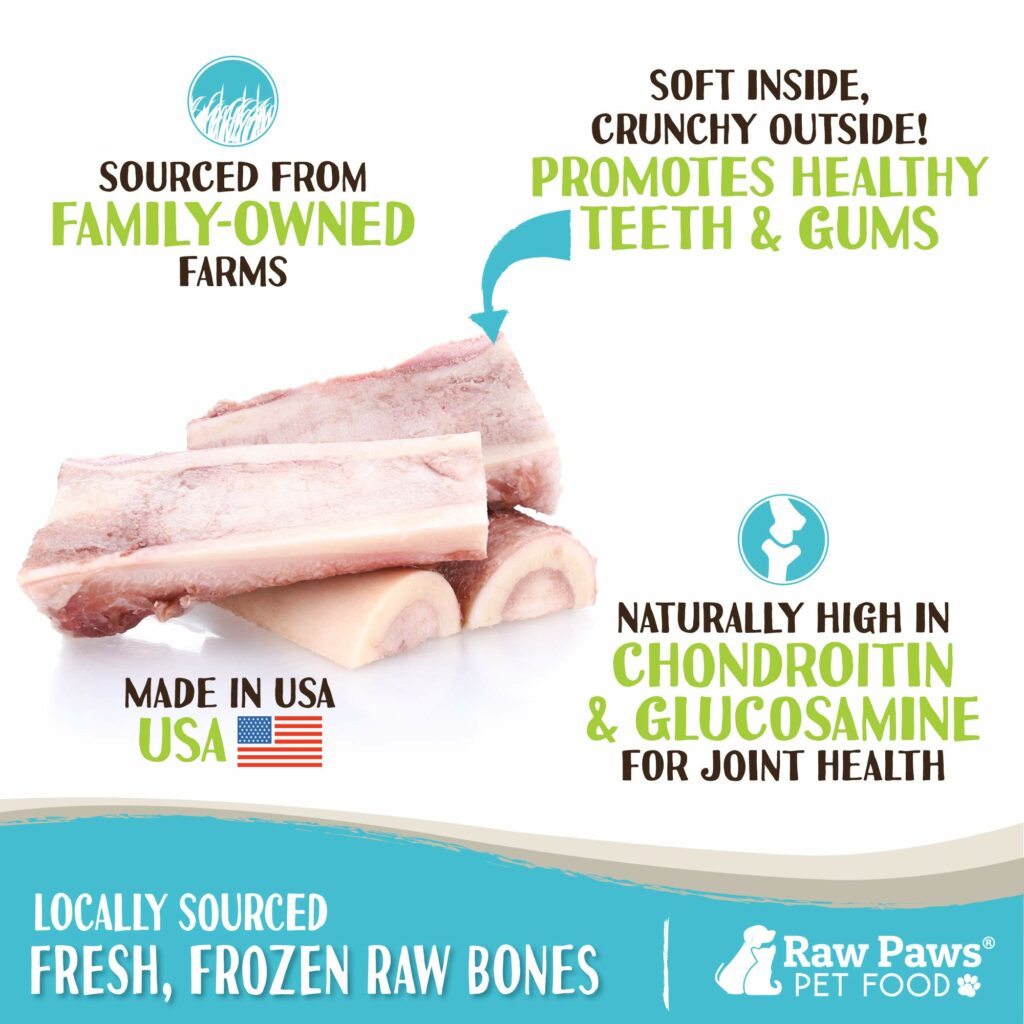
Marrow bones are typically large bones taken from the limbs of animals, particularly beef and lamb. The central cavity of these bones is filled with nutrient-rich marrow, a fat-laden substance that dogs find irresistible. There are two primary types of marrow bones: raw and cooked. While both varieties are popular among dog owners, they come with distinct considerations.
Raw Marrow Bones
Raw marrow bones are unprocessed and retain all their natural nutrients. They provide essential fatty acids and are prized for promoting healthy skin and a shiny coat. Furthermore, the act of gnawing on these bones can enhance dental hygiene, reducing plaque buildup and tartar accumulation. Raw bones are generally softer, making them easier for dogs to chew and digest.
Cooked Marrow Bones
In contrast, cooked marrow bones pose additional risks to your pet. The cooking process alters the structure of the bone, often making it brittle and prone to splintering. When dogs chew on cooked bones, they risk ingesting sharp fragments that can cause choking, or worse, lacerate the digestive tract. Thus, feeding cooked bones is generally discouraged by many veterinarians.
Health Benefits of Marrow Bones
When safely incorporated into your dog’s diet, marrow bones offer a plethora of health benefits:
- Dental Health: The mechanical action of chewing on marrow bones can help cleanse teeth and massage gums, contributing to better oral hygiene.
- Nutritional Value: Marrow is rich in fats, vitamins, and minerals, such as iron and calcium, which are vital for bone and overall health.
- Joint Health: The gelatin present in bones can promote joint health and mobility, making them particularly beneficial for older dogs suffering from arthritis or mobility issues.
- Behavioural Satisfaction: The sheer joy of chewing a marrow bone can alleviate boredom and reduce anxiety, making them excellent for mental stimulation.
Safety Considerations
Despite their benefits, it is crucial to approach marrow bones with prudence. Here are key safety considerations to bear in mind:
- Supervision: Always supervise your dog while they are enjoying a marrow bone to prevent any accidents or injuries. If you notice them fracturing the bone aggressively, it may be time to take it away.
- Size Appropriateness: Ensure that the bone is appropriately sized for your dog. A bone that is too small can pose a choking hazard, while one that is excessively large may be difficult for smaller breeds to manage.
- Limit Frequency: Marrow bones should be regarded as an occasional treat rather than a staple in your dog’s diet, ensuring that they do not lead to excessive caloric intake or digestive issues.
- Health Conditions: Consult your veterinarian before introducing marrow bones, particularly if your dog has pre-existing health conditions, such as pancreatitis or obesity.
Feeding Guidelines
Introducing marrow bones into your dog’s diet requires careful planning. Here are comprehensive guidelines to follow:
- Initial Introduction: Start by offering your dog a small marrow bone, observing their reaction and behaviour. This initial introduction will help gauge their interest and tolerance.
- Regular Cleanliness: After your dog has gnawed on the marrow, inspect the bone for any signs of splintering or excessive wear. If the bone begins to disintegrate, it is time to discard it.
- Storage Recommendations: Store raw marrow bones in the freezer until you’re ready to feed them, ensuring freshness and reducing the risk of bacterial contamination.
- Limit Duration: Allow your dog to enjoy the marrow bone for 15 to 30 minutes at a time. Prolonged chewing sessions can lead to jaw fatigue or dental problems.
Creative Ways to Serve Marrow Bones
To further enhance the experience for your dog, consider these innovative serving suggestions:
- Fill with Treats: Fill the bone cavity with peanut butter, unsweetened pumpkin puree, or dog-safe treats, making the experience even more enticing.
- Broth Infusion: Soak the bone in low-sodium broth for added flavour and hydration, while ensuring it remains appetising and stimulating for your dog.
Conclusion
Marrow bones can be a nutritious and enjoyable addition to your dog’s diet, offering various health benefits when fed responsibly. By understanding the differences between raw and cooked bones and adhering to safety protocols, you can treat your furry friend to this delectable snack while safeguarding their wellbeing. With proper supervision and guidance, marrow bones can become a cherished indulgence in your canine’s dietary repertoire, promoting both physical health and mental satisfaction.
FAQ
Are marrow bones safe for dogs?
Raw marrow bones are generally safe when supervised, while cooked bones can splinter and pose risks.
How often can I give my dog marrow bones?
Marrow bones should be given as an occasional treat rather than a staple in their diet.
What should I do if my dog starts to splinter the bone?
Supervise your dog closely and remove the bone if you notice signs of splintering.
FAQ
Are marrow bones safe for dogs?
Raw marrow bones are generally safe when supervised, while cooked bones can splinter and pose risks.
How often can I give my dog marrow bones?
Marrow bones should be given as an occasional treat rather than a staple in their diet.
What should I do if my dog starts to splinter the bone?
Supervise your dog closely and remove the bone if you notice signs of splintering.





Leave a Reply