Short Answer
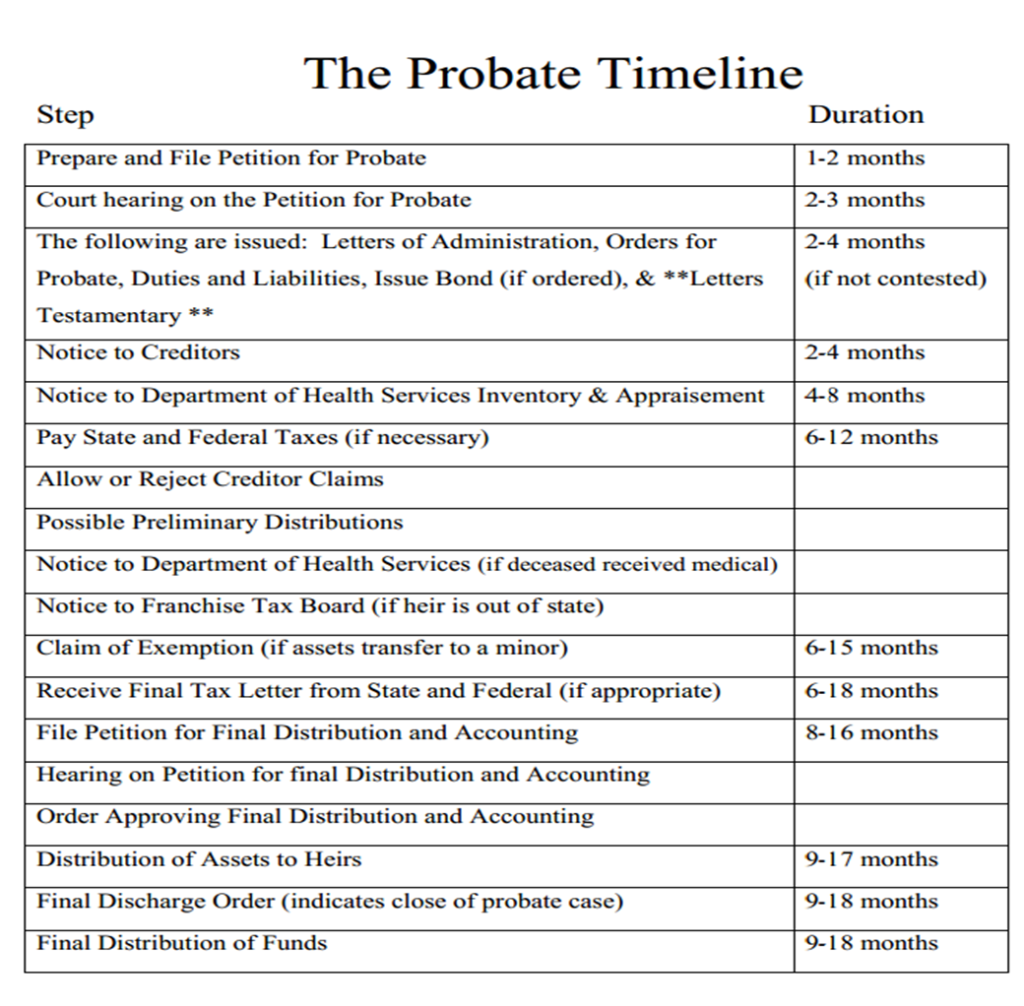
When a loved one passes away, the ensuing period can be fraught with a blend of grief, confusion, and the daunting task of navigating their estate. One of the most pressing questions bereaved family members often grapple with is: “How long after death is a will read?” Understanding the probate timeline is crucial for those left to pick up the pieces. This article delves into the intricacies of the probate process, shedding light on what happens after someone has died and how long it typically takes for a will to be formally read.
First and foremost, it is essential to clarify what probate is. Essentially, probate is the legal process through which a deceased person’s will is validated, their assets distributed, and any debts settled. It ensures that the decedent’s final wishes are honoured according to their testament. The timeline for conducting probate can vary significantly based on several factors, such as jurisdiction and the complexity of the estate.
Immediately following a person’s death, their will must be located and reviewed. If the deceased left a will, it is typically a family member or an appointed executor who undertakes this responsibility. In some cases, individuals may feel compelled to act swiftly. However, there is no legally mandated timeframe for when a will must be read. Nonetheless, practical considerations dictate that this process generally begins within a few weeks after death.
Once the will is found, the next step involves applying for probate. This process can take anywhere from a few days to several months, depending on the estate’s complexity and the local laws governing probate. Generally, it is the appointed executor or personal representative who will initiate this procedure. They need to gather necessary documentation, which might include the death certificate, the original will, and any relevant financial records.
After application, the court issues a grant of probate, allowing the executor to proceed with administering the estate. This grant can take anywhere from a few weeks to several months, depending on the jurisdiction and the court’s schedule. Delays can occur if there are disputes regarding the will or if the estate’s size necessitates a more comprehensive assessment.
Throughout this process, it is vital to understand that the will may not be read immediately following the deceased’s passing. The funeral or memorial service often precedes the reading of the will, and in many families, it is customary for the will to be discussed during the wake or another family gathering. However, formally, the will should not be executed until after the probate application has been accepted by the court.
Once probate is granted, the executor is tasked with several responsibilities. They must inform beneficiaries of their entitlements and the contents of the will. This is where curiosity often peaks among family members and friends who long to understand what the deceased has left behind. Legally, there is an expectation that beneficiaries will be notified about the existence of the will, as well as their specific shares. However, this does not necessarily translate to everyone in the family receiving the same information at the same time.
As the executor delves into their duties, they are also required to settle any remaining debts of the deceased. The estate’s liabilities must be addressed before any distributions can be made to beneficiaries. This phase of the probate process can extend the timeline significantly, especially if the estate has numerous debts or disputes arise among creditors.
Furthermore, it is essential to note that the length of the probate process can also hinge on whether the will is contested. If a family member disputes the validity of the will or believes they have been unjustly excluded, this can complicate matters considerably. Contested wills can drag the probate process out for months, if not years, leaving beneficiaries in a state of prolonged uncertainty.
After all debts are settled, and the probate court has cleared the way, the executor can begin distributing the assets. The time between the grant of probate and the actual distribution can vary widely, as executors are often faced with additional challenges in asset liquidation or negotiations with beneficiaries. Depending on the estate’s size and the relationships between the heirs, this phase could either be a seamless process or fraught with tension and conflict.
In conclusion, while the answer to “How long after death is a will read?” is not straightforward, understanding the probate timeline offers invaluable insight into this complex process. From the moment of death to the final distribution of assets, each step can vary significantly based on individual circumstances. It is a journey fraught with emotional and logistical challenges, each phase serving to remind the bereaved of their lost loved one while navigating their own needs and desires during this poignant time. Being well-prepared and informed can alleviate some of the anxiety associated with this arduous process. The probate experience may entail wait, negotiation, and occasionally heartache—but through it all lies the hope of honouring the departed’s final wishes and preserving their legacy.
FAQ
Is a will always read immediately after death?
No, the will is usually read after probate has been granted, and not immediately after death.
What delays can occur in reading a will?
Disputes, complex estates, and court processing times can all delay the reading of a will.
Who informs beneficiaries about their inheritance?
The executor is responsible for notifying beneficiaries once probate is granted.


Leave a Reply