Short Answer
When it comes to fishing, the right gear can elevate a leisurely pastime into an art form. For both novice anglers and seasoned pros alike, selecting the right fishing pole and reel combo can be an intricate decision-making process. This guide aims to demystify the key factors to consider, delving into the nuances of different setups and their suitability for various fishing experiences.
1. Understanding the Basics: Rods and Reels
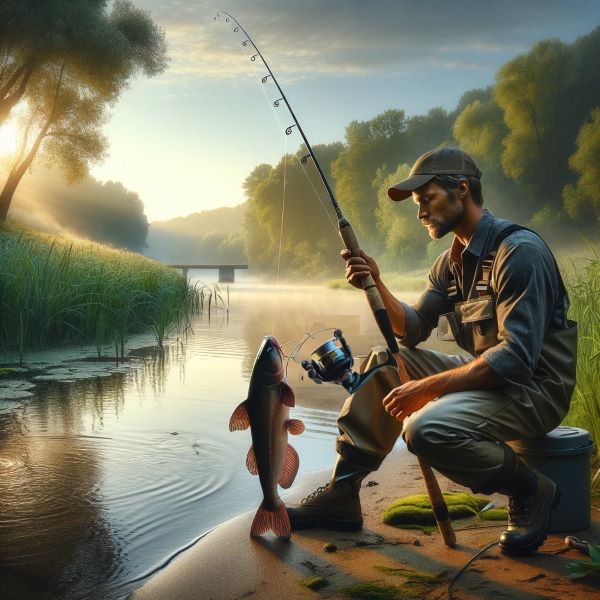
A fishing pole, or rod, acts as a premier extension of the angler, a conduit transmitting the finesse of a myriad of techniques. The reel is the mechanism where the fishing line is stored and retrieved. Together, they comprise the most fundamental of fishing set-ups. The harmony between these two components is pivotal, influencing everything from casting techniques to the types of fish one might catch.
2. Types of Fishing Rods
Various rod types cater to different fishing styles. Understanding which one aligns with your needs is essential:
- Spinning Rods: These versatile rods are typically lighter and easier to use, making them ideal for beginners. They accommodate various fishing techniques and are well-suited for catching smaller freshwater species.
- Baitcasting Rods: Offering greater accuracy and control, baitcasting rods are favoured by experienced anglers. They allow for complex techniques, making them the preferred choice for targeting larger fish.
- Fly Rods: Unique in their design, fly rods are made for the specialised technique of fly fishing. They are typically longer and more flexible, facilitating delicate presentations.
- Surf Rods: Built for long-distance casting, surf rods are designed for fishing off beaches and are able to withstand the rigours of ocean conditions.
3. Deciphering Reel Options
Just as with rods, reels come with their own classifications:
- Spinning Reels: These user-friendly reels are perfect for beginners and are compatible with lighter tackle. They excel at finesse techniques.
- Baitcasting Reels: Favoured for their precision, baitcasting reels are ideal when fishing for larger species or in densely covered areas.
- Fly Reels: Designed specifically for fly fishing, these reels store the lightweight line effectively while allowing for smooth retrieval.
4. Matching Rods and Reels
Choosing the right fishing pole and reel combo isn’t merely about selecting your favourite rod or reel; it’s about achieving a synergy between the two. Key components to consider when matching rods and reels include:
- Rod Action: The action describes how much of the rod flexes when under load. Fast action rods bend near the tip, allowing for quick hook sets. Slow action rods bend throughout their length, providing greater control with lighter lures.
- Line Weight: The recommended line weight for the rod should align with the reel’s drag system. For optimal performance, ensure both rod and reel are rated for similar line weights.
- Power Rating: Rod power categorizes the rod’s ability to handle different weights. Light power rods are best for smaller species, while heavy power rods are designed for larger fishes.
5. Choosing the Right Combo for Your Fishing Style
Your personal fishing style will inform your choice of rod and reel. Here’s how to approach the selection based on the type of fishing you intend to do:
- Freshwater Fishing: For small streams and lakes, a light spinning combo with a medium action rod is usually effective. If targeting larger species like pike or bass, consider a baitcasting setup with heavier power and fast action.
- Saltwater Fishing: A sturdy, corrosion-resistant surf rod and reel combo is crucial. Look for setups rated for heavier line weights, which can withstand the forces of ocean currents.
- Fly Fishing: Invest in a quality fly rod and reel combo tailored to your preferred species. Length and line weight should be aligned with the type of flies you plan to employ.
6. Price Point Considerations
In the world of fishing gear, price can vary drastically. Entry-level combos can be surprisingly affordable, making them accessible for beginners. However, investing in higher-quality setups can yield dividends over time in terms of durability and performance. Research is key; prioritising components that enhance your fishing experience will invariably make every outing more rewarding.
7. Maintenance and Care
Caring for your rod and reel combo will prolong its lifespan. Regularly clean your reel after each fishing trip to prevent buildup of salt or debris. Store your fishing pole in a protective case to avoid damage. Proper maintenance enhances performance, affording you more enjoyable fishing experiences.
8. Final Thoughts
Choosing the right fishing pole and reel combo is an intimate journey, reflecting personal preferences and fishing aspirations. Beyond simply catching fish, there lies an intricate relationship between angler and equipment. Each choice — from rod length to reel drag — contributes to a deeper understanding of the aquatic world. With the right setup, anglers not only master the art of fishing, but they also cultivate a profound appreciation for nature and the sport.
FAQ
What type of fishing pole is best for beginners?
A spinning rod is typically the best choice for beginners due to its ease of use and versatility.
How do I match a fishing rod with a reel?
Consider the rod action, line weight, and power rating to ensure compatibility between the rod and reel.
What should I look for in a fishing rod and reel combo?
Evaluate factors like your fishing style, target species, and budget to choose the right combo.

Leave a Reply