Short Answer
In the intricate world of billiards, where precision and finesse reign supreme, one might underestimate the significance of a seemingly innocuous item: pool chalk. This small, unassuming cube, often taken for granted, plays a pivotal role in the art of cue sports. In this exploration, we will delve into the multifaceted functions of pool chalk, demystifying its importance, and ultimately promising a shift in perspective about its role. By the end, one may find a newfound appreciation for this essential accessory.
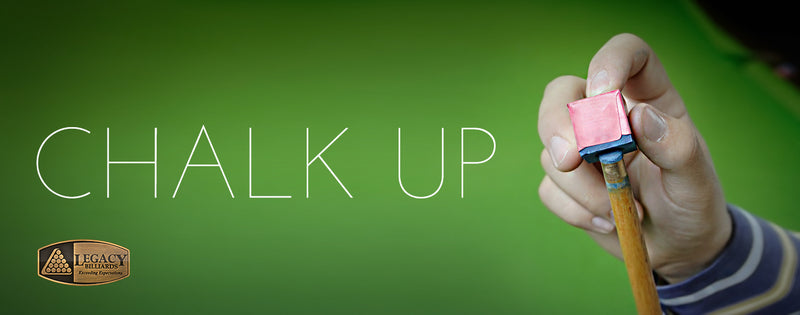
First and foremost, let’s address its primary function—enhancing friction. When the tip of a cue makes contact with the cue ball, the interplay of these two surfaces is critical. Without adequate traction, the result is often a less than desirable shot. Pool chalk acts as a friction promoter, coating the tip of the cue and increasing the grip. This extra grip translates to greater control over the cue ball, allowing players to apply spin with finesse and accuracy. The tactile interaction created by the chalk ensures that every stroke has the potential to be executed flawlessly, making it an indispensable ally in achieving success on the table.
Moreover, the concept of spin in billiards is a fascinating territory. The ability to impart spin, or English as it’s commonly referred to, can alter the trajectory of the cue ball significantly. This manipulation requires a delicate balance of technique and equipment, with chalk being a crucial component. Just as a painter needs the right brushes to create their masterpiece, a billiards player must use chalk to finesse the spin on the ball. Imagine executing a tricky shot, applying just the right amount of side spin that sends the cue ball into a precise trajectory, instead of an unpredictable path. This is where the chalk’s effectiveness becomes paramount.
Chalk also serves as a safeguard—a protective barrier against miscues, those frustrating moments that can derail a player’s momentum. A miscue occurs when the cue tip slips off the cue ball during a shot, often resulting in a misaligned hit. This can happen for several reasons: improper technique, a worn-out cue tip, or, crucially, insufficient chalk. By ensuring the cue tip is well-chalked, a player can minimize the likelihood of miscues, lending a sense of assurance to their game. No longer are players left at the mercy of a surprising slip; instead, they take command of their strokes, wielding their cue with confidence.
The psychology of pool chalk should not be underestimated. The simple act of chalking one’s cue serves as a ritual, a moment of focus that can help centre the mind before executing a challenging shot. Many players develop a personal chalking routine, often using it as a form of mental preparation. This habitual aspect not only elevates concentration levels but assists in fostering a sense of familiarity and comfort at the table. Such psychological nuances highlight the broader implications of chalk beyond mere physics; it becomes an integral part of a player’s performance mindset.
Furthermore, let’s consider the variety of chalk available on the market. While all serve the same fundamental purpose, the quality and composition differ. High-quality chalk adheres better to the cue tip, providing a consistent coat and superior grip. Players may gravitate towards specific brands, developing a preference akin to artists choosing their preferred colours. Not all chalk is created equal—cheaper varieties may crumble or flake, resulting in an uneven application that could hinder performance. Thus, the discerning player must weigh quality against cost, recognising the tangible impact on their game.
As we contemplate the physical properties of chalk, let us not overlook its aesthetic appeal. Pool chalk comes in an array of striking colours, each adding a unique character to the game. While the effect of colour may seem trivial, it can play a role in the overall atmosphere of a match. Some players prefer vibrant hues that stand out against the green felt of the table, while others may select subtler shades, blending seamlessly with their equipment. This dimension of choice allows individuals to express their personality and style while competing, turning a practical necessity into a form of self-expression.
Interestingly, the legacy of pool chalk extends beyond the game itself. Many metaphors have sprouted around its use, symbolising preparation and attention to detail in various spheres of life. Just as a skilled player takes a moment to chalk their cue, one must also take the time to equip oneself adequately for life’s challenges. This notion speaks volumes about the often overlooked significance of preparation—whether it’s in a game or personal pursuits.
In conclusion, pool chalk is far more than a mere accessory in the world of billiards. It embodies a blend of functionality, psychology, and even artistry. From enhancing grip and preventing miscues to serving as a psychological tool and a form of personal expression, the humble cube of chalk is integral to the game. So, the next time you approach the table, take a moment to appreciate the nuances of chalk. It is not just a piece of equipment; it’s a catalyst for precision, a guardian against errors, and a symbol of the dedication that defines the sport. Whether you’re a novice or a seasoned player, embracing the power of pool chalk may just be the key to elevating your game to new heights.
FAQ
What is the main function of pool chalk?
The main function of pool chalk is to enhance friction between the cue tip and the cue ball, allowing for greater control and accuracy in shots.
How does pool chalk prevent miscues?
Pool chalk provides a coating on the cue tip that increases grip, reducing the chances of the cue slipping off the ball during a shot, which helps prevent miscues.
Are all pool chalks the same?
No, pool chalks vary in quality and composition; higher-quality chalk adheres better to the cue tip and provides a more consistent coat for improved performance.

Leave a Reply