Short Answer
Electric fires, often unforeseen and perilous, emerge from various electrical malfunctions, sometimes leading to catastrophic outcomes. Understanding how to combat such fires effectively is paramount, especially in our technology-driven age where electricity powers nearly everything. Fire extinguishers specifically designed for electric fires are crucial tools in mitigating these risks. In this article, we will explore the best types of extinguishers for electric fires and elucidate their safe usage.
The Nature of Electric Fires
Electric fires typically arise from faulty wiring, overloaded circuits, or malfunctioning appliances. This type of fire can propagate rapidly and is particularly dangerous because it can happen without warning. Moreover, water, an instinctive choice for extinguishing flames, can exacerbate the situation, particularly with electrical fires. This counterintuitive truth underscores the need for specialised fire extinguishers that are designed specifically to combat the unique characteristics of electric fires.
Understanding Fire Classifications
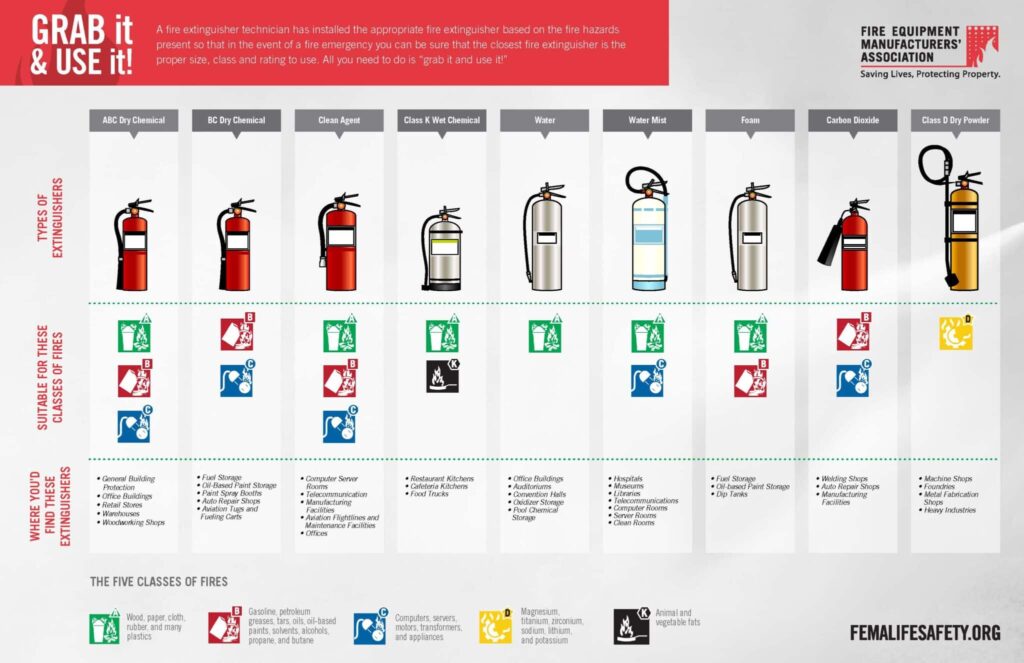
Fire extinguishers are categorised based on the types of fires they can extinguish. Electric fires fall within Class C, which includes fires caused by electrical equipment. The dangers associated with this type of fire necessitate a thorough understanding of which extinguishers are most effective in ensuring safety.
Types of Extinguishers for Electric Fires
Recognising various types of extinguishers is essential for optimal preparedness:
- Carbon Dioxide (CO2) Extinguishers: These extinguishers are remarkably efficient for electric fires. They work by displacing oxygen, thus suffocating the flames. CO2 extinguishers leave no residue, making them ideal for use near electronic devices. However, they have a limited range and are less effective on larger fires, making quick application vital.
- Dry Chemical Extinguishers: Another prevalent option, dry chemical extinguishers often contain monoammonium phosphate. This powdery agent interrupts the chemical reaction of fire. They are versatile and can also tackle other fire classes, which adds to their utility in mixed environments. Nonetheless, they can create a mess and may damage delicate equipment, requiring caution during usage.
- Clean Agent Extinguishers: Comprising halocarbon agents, clean agent extinguishers are particularly commendable for electric fires. They extinguish flames without residual damage, making them well-suited for server rooms or laboratories where sensitive equipment is present. However, their higher cost may deter some from considering them as a first choice.
- Water Mist Extinguishers: Though somewhat uncommon, water mist extinguishers can be used on electrical fires in some situations. They discharge ultra-fine water droplets that cool the flames without conducting electricity. However, employing caution is crucial, as they can still pose a risk if used inappropriately.
Safe Usage of Extinguishers for Electric Fires
The efficacy of a fire extinguisher is not solely contingent upon its type but also on how effectively it is utilised. Certain protocols must be followed to ensure safety during an incident:
- Assess the Situation: Before attempting to extinguish a fire, one must evaluate the situation. If the fire is large, immediate evacuation and calling emergency services is warranted. Only approach small, manageable electric fires with an extinguisher.
- Use the PASS Technique: To utilise an extinguisher effectively, remember the acronym PASS: Pull the pin, Aim low at the base of the fire, Squeeze the handle, and Sweep from side to side. This technique maximises the extinguishing agent’s coverage while minimizing personal risk.
- Ensure Proper Maintenance: Regular maintenance and inspections of fire extinguishers are integral to ensuring they work when needed. Check pressure gauges, inspect for physical damage, and ensure the inspection date is current.
- Training and Preparation: Investing time in learning how to use an extinguisher can save lives. Participating in fire safety training is advisable for both businesses and households to ensure everyone knows how to react efficiently in case of an emergency.
The Importance of Education
In an era where technology pervades our everyday lives, the importance of understanding fire safety, especially regarding electric fires, cannot be overstated. A lack of awareness can lead to unpreparedness and, ultimately, unnecessary tragedies. Therefore, ongoing education about the types of fires and appropriate extinguisher usage is a vital component in safeguarding our environments.
Encouraging Best Practices
Households, workplaces, and organisations should implement best practices when it comes to fire safety. This includes not only having the right type of extinguisher readily accessible but also establishing a plan for emergency situations. Regularly scheduled fire drills help familiarise individuals with the protocol should an electric fire arise, ensuring that reactions are instinctive and effective.
Final Thoughts
The realisation that electrical fires can occur without warning leads to a heightened sense of vigilance. The types of extinguishers suitable for electric fires are diverse, each offering unique advantages and considerations. Education, preparation, and timely intervention can mitigate the risks associated with electric fires. Indeed, investing time in understanding and implementing fire safety measures is a profound necessity in an increasingly electrified world.
FAQ
What type of fire extinguisher is best for electric fires?
Carbon Dioxide (CO2) and Clean Agent extinguishers are highly effective for electric fires.
Can water be used to extinguish electric fires?
No, water can exacerbate electric fires and should not be used.
What does the PASS technique stand for?
PASS stands for Pull the pin, Aim low at the base of the fire, Squeeze the handle, and Sweep from side to side.
Is regular maintenance important for fire extinguishers?
Yes, regular inspections ensure that extinguishers function correctly when needed.
FAQ
What type of fire extinguisher is best for electric fires?
Carbon Dioxide (CO2) and Clean Agent extinguishers are highly effective for electric fires.
Can water be used to extinguish electric fires?
No, water can exacerbate electric fires and should not be used.
What does the PASS technique stand for?
PASS stands for Pull the pin, Aim low at the base of the fire, Squeeze the handle, and Sweep from side to side.
Is regular maintenance important for fire extinguishers?
Yes, regular inspections ensure that extinguishers function correctly when needed.

Leave a Reply