Short Answer
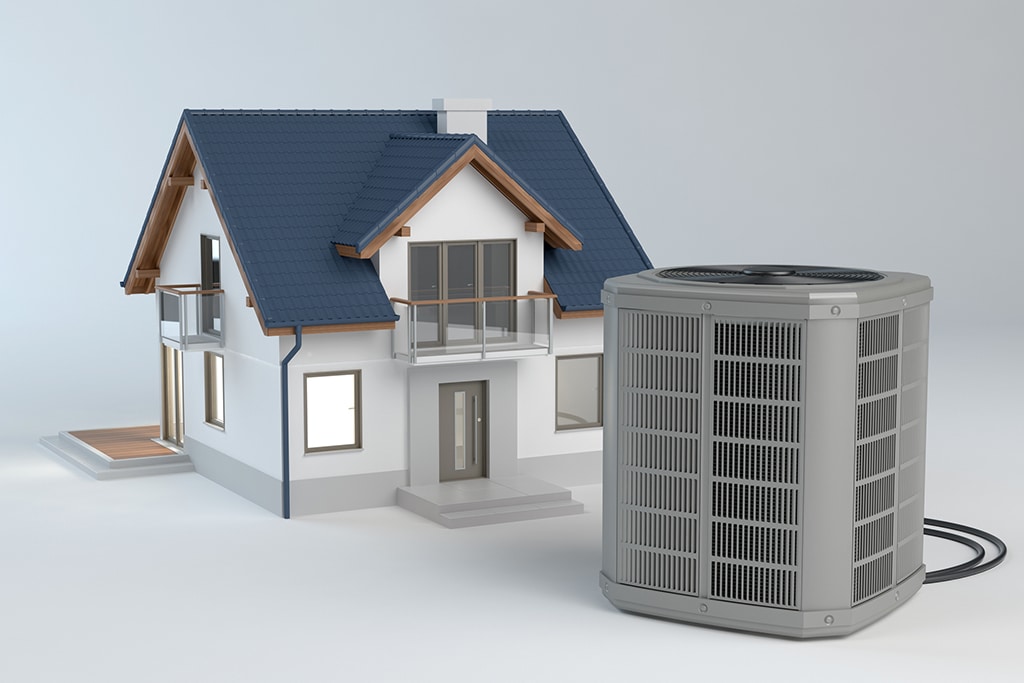
Air source heat pumps (ASHPs) have become a prominent option for homeowners wishing to enhance energy efficiency while reducing their carbon footprint. These systems work by extracting heat from the outside air and transferring it indoors, even when external temperatures are relatively low. This article delves into the advantages and disadvantages of air source heat pumps, along with a detailed breakdown of installation costs, ensuring you have a well-rounded perspective on this heating solution.
Understanding Air Source Heat Pumps
ASHPs operate on a deceptively simple principle: they absorb thermal energy from the air outside and release it within your home, effectively providing heating during colder months and cooling during warmer periods. The versatility of these units is accompanied by several pros and cons, which are crucial to consider when deciding whether to install one.
Pros of Air Source Heat Pumps
1. Energy Efficiency
One of the standout benefits of ASHPs is their impressive energy efficiency. They can achieve a coefficient of performance (COP) significantly higher than traditional heating systems. This means that for every unit of electricity consumed, they can transfer several units of heat, translating to lower energy bills and less environmental impact. The efficiency of these systems is particularly pronounced during moderate temperature conditions.
2. Low Carbon Footprint
By utilising renewable energy from the air, ASHPs contribute to a reduction in greenhouse gas emissions. This makes them an eco-friendly heating choice compared to fossil fuel-based systems. In a world increasingly focused on sustainability, installing an ASHP demonstrates a commitment to energy conservation and environmental stewardship.
3. Versatility
Air source heat pumps can function as both heating and cooling systems, providing year-round temperature regulation. In the summer months, the system can reverse its operation to cool your home, serving as a dual-purpose solution that eliminates the need for separate heating and cooling units.
4. Low Maintenance
Compared to traditional heating systems such as boilers and furnaces, ASHPs require significantly less maintenance. Routine checks typically involve cleaning filters and inspections, which can be done annually. This lower upkeep can result in more time and money saved over the lifespan of the system.
5. Government Incentives
In many regions, financial incentives or rebates are available for homeowners who invest in renewable energy technologies, including air source heat pumps. This financial support can significantly offset initial installation costs, making it a more attractive option for budget-conscious consumers.
Cons of Air Source Heat Pumps
1. Initial Installation Cost
Despite the long-term savings associated with ASHPs, the initial installation costs can be quite steep. Expenses typically range between £8,000 and £18,000, depending on the size of your home and the specifics of the installation. This upfront investment can be a barrier for many households considering a switch to this technology.
2. Performance in Extreme Conditions
ASHPs are less efficient at extreme temperatures. When outside temperatures drop below -5°C, their performance can decline, leading to the potential need for a supplementary heating source. Homeowners in particularly cold climates should account for this variable and consider hybrid systems that incorporate a backup heating source.
3. Noise Considerations
The operational noise of an air source heat pump has been noted as a concern for some homeowners. Though technological improvements have led to quieter models, the units can still emit a noticeable sound during operation. For properties where noise may be an issue—such as close to neighbours—it is crucial to research and select a system designed to minimise sound output.
4. Aesthetic Impact
While many modern air source heat pumps are designed to be unobtrusive, their physical presence can nonetheless alter the exterior appearance of your property. Potential buyers should contemplate how the installation might affect their home’s aesthetics and whether there are acceptable locations for the units that maintain visual appeal.
Installation Costs Explained
Installation costs for air source heat pumps can fluctuate significantly based on numerous factors, including system size, professional installation, and geographic location. Homeowners should conduct thorough research and seek multiple quotes from qualified installers to ensure competitive pricing.
1. System Size
The size of the heat pump required will depend on your home’s heating and cooling demands, which are influenced by factors like insulation quality, size of the space, and climate conditions. A properly sized system is vital for optimal performance and efficiency.
2. Professional Installation
Engaging a professional installer is imperative. While it may be tempting to attempt a DIY approach, the complexities of these systems demand specialised knowledge to avoid costly mistakes and ensure safety.
3. Additional Network Requirements
Functionality may necessitate adjustments or upgrades to your existing electrical systems. This can add to the installation costs, particularly if your current system is outdated or inadequate for supporting a heat pump.
Final Thoughts
Embracing air source heat pumps can be a significant step toward sustainable energy use and enhanced comfort in your home. Evaluating the pros and cons, alongside considering the financial implications and installation logistics, empowers homeowners to make informed decisions. With sufficient research and professional guidance, the initial investment in an air source heat pump could prove to be a rewarding long-term solution for home heating and cooling.
FAQ
What are air source heat pumps?
Air source heat pumps (ASHPs) are systems that extract heat from the outside air and transfer it indoors, providing efficient heating and cooling for homes.
What are the benefits of using an air source heat pump?
The benefits include energy efficiency, a low carbon footprint, versatility in heating and cooling, low maintenance requirements, and potential government incentives.
What are the drawbacks of air source heat pumps?
Drawbacks include high initial installation costs, reduced efficiency in extreme temperatures, noise concerns, and possible aesthetic impacts on properties.
How much do air source heat pumps cost to install?
Installation costs typically range from £8,000 to £18,000, depending on home size and installation specifics.



Leave a Reply