Short Answer
Brake pads are a critical component of your vehicle’s braking system, responsible for creating the friction necessary to slow down or stop your car. Understanding how many miles brake pads should ideally last can help you maintain your vehicle’s safety and performance. In this article, we’ll delve into realistic expectations regarding brake pad longevity, various factors influencing their lifespan, signs indicating it’s time for a replacement, and essential maintenance tips to ensure optimal brake performance.
Typical Lifespan of Brake Pads
The lifespan of brake pads can vary dramatically based on several factors, including driving habits, vehicle type, and the materials used in the brake pads themselves. Generally, you can expect standard brake pads to last anywhere between 30,000 to 70,000 miles. However, it is not uncommon for some high-performance pads to endure longer, stretching up to 80,000 miles under ideal conditions.
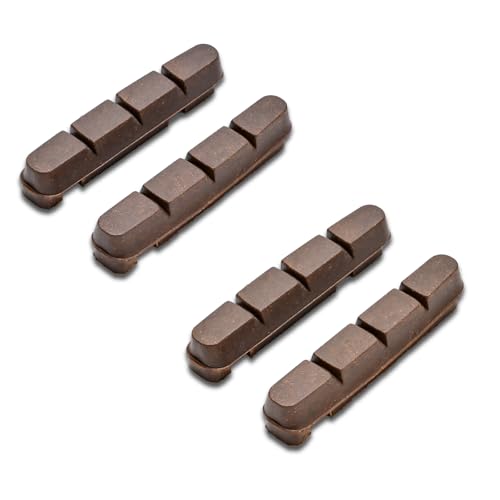
Moreover, brake pad longevity is often categorized according to different materials. Organic brake pads, which are manufactured from a mixture of resin and other materials, typically wear out faster than their metal counterparts. In contrast, ceramic brake pads, known for their excellent performance and durability, may provide a significantly extended lifespan, especially under normal driving conditions.
Factors Affecting Brake Pad Longevity
Several factors play a pivotal role in determining how long brake pads will last. Here are some key considerations:
- Driving Habits: Aggressive driving, characterised by rapid acceleration and hard braking, can lead to quicker wear of brake pads. In contrast, smooth driving can prolong their lifespan.
- Type of Vehicle: Heavier vehicles or those engineered for towing require more braking force, which can result in a reduced lifespan for brake pads.
- Environmental Conditions: Frequent exposure to extreme weather conditions, such as heavy rain or snow, can affect brake pad efficacy and longevity. Roads laden with debris or gravel can also hasten wear.
- Brake Pad Quality: Not all brake pads are created equal. High-quality pads often feature superior materials designed to withstand wear and tear better than budget options.
Identifying Signs of Worn Brake Pads
Knowing when to replace your brake pads is essential for maintaining safety. Ignoring signs of wear can lead to more severe damage to your braking system. Here are common indicators that your brake pads may be due for a replacement:
- Squeaking or Squealing Noise: A common sign of worn brake pads is a high-pitched squeaking noise when braking, caused by a built-in indicator that alerts you to insufficient pad material.
- Grinding Noise: If you hear a grinding sound, the brake pads are likely worn down to their backing plates. This metal-on-metal contact can damage your rotors and significantly increase replacement costs.
- Vibration or Pulsation: If you feel vibrations through the brake pedal or steering wheel when you apply the brakes, it may indicate uneven wear or warped rotors, often necessitating an inspection.
- Reduced Braking Performance: If the vehicle takes longer than usual to stop or the brake pedal feels soft, it could be a sign of worn brake pads or issues with the braking system.
Essential Maintenance Tips
Maintaining your brake pads and overall braking system is vital for your safety and can extend the lifespan of your components. Here are some invaluable tips:
- Schedule Regular Inspections: It is advisable to have your brake system inspected regularly, ideally during routine maintenance checks. Qualified technicians can assess the condition of your pads and rotors and suggest replacements if necessary.
- Monitor Brake Fluid Levels: Brake fluid should be checked regularly, as it can impact braking performance. Low fluid levels could be a sign of leaks or air in the braking system.
- Replace Brake Pads in Pairs: For optimal performance, it is recommended to replace both front or rear brake pads simultaneously. Doing so maintains even wear on both sides, ensuring balanced braking.
- Choose Quality Materials: When replacing brake pads, invest in high-quality options that are suited to your driving conditions. Quality pads can significantly enhance braking efficiency and lifespan.
Conclusion
Understanding how many miles brake pads should last is essential for any car owner. By being aware of factors influencing their longevity, recognising the signs of wear, and committing to regular maintenance, you can ensure a safer driving experience. Remember, your brakes are your vehicle’s most crucial safety feature—regular care and attention can make all the difference in safe travels.
FAQ
How often should brake pads be replaced?
Brake pads should ideally be replaced every 30,000 to 70,000 miles, but this can vary based on driving habits and vehicle type.
What are the signs of worn brake pads?
Common signs include squeaking or grinding noises, vibrations when braking, and reduced braking performance.
Can I replace just one brake pad?
It is recommended to replace brake pads in pairs (either front or rear) to ensure balanced performance.


Leave a Reply