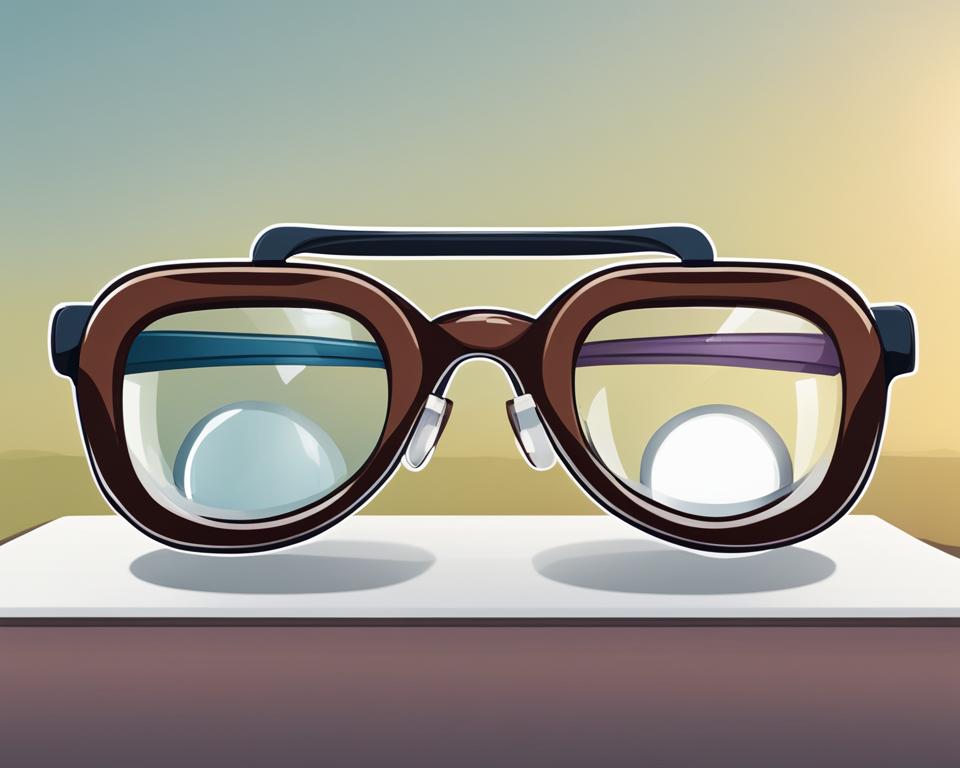
Short Answer
Vision is an extraordinary gift, yet for many, it is shrouded in complexities. Among the most common visual impairments are long-sightedness (hyperopia) and short-sightedness (myopia), terms that often evoke confusion. The distinction between these two conditions is more than just a matter of clarity; it encapsulates the intricate mechanics of the human eye. Understanding their differences not only enlightens our perception of visual health but also fosters an appreciation for the science behind sight.
Defining the Conditions
To embark on this exploration, let us define our terms. Short-sightedness, or myopia, is a condition where distant objects appear blurred while close objects are seen with relative clarity. The fundamental flaw lies in the eye’s ability to focus light correctly. In individuals suffering from myopia, the eyeball is typically longer than average, or the cornea—the transparent front surface of the eye—has too much curvature. As a consequence, light entering the eye fails to reach the retina, resulting in unclear images of distant objects.
Conversely, long-sightedness, or hyperopia, is characterised by difficulty focusing on close objects, while distant objects may remain clearer. In this scenario, the eyeball is usually shorter than normal, or the cornea has insufficient curvature. Therefore, light entering the eye converges behind the retina, creating a challenge when trying to focus on nearby items. This fundamental difference in the anatomical configuration of the eye leads to the distinct visual experiences of those afflicted by either condition.
Symptoms
The symptoms of myopia and hyperopia manifest in diverse ways, often altering one’s daily activities. Myopia typically presents itself through signs such as squinting, frequent eye rubbing, and difficulty seeing road signs or whiteboards from a distance. Individuals may find themselves needing to sit closer to the front during lectures or movies, a clear signal of their impaired vision.
On the other hand, long-sightedness may go unnoticed initially, particularly in younger individuals who adapt naturally. However, as fatigue sets in, symptoms emerge. Eye strain, headaches after prolonged tasks, and blurry vision when reading are common complaints. The struggle to maintain focus during close work often leads to an aversion to activities that require sustained visual attention.
Causes and Risk Factors
Beneath these surface symptoms lies an intricate web of causes and contributory factors. Genetics plays a pivotal role in both myopia and hyperopia. If either parent suffers from refractive errors, the likelihood of their offspring experiencing similar issues increases. Environmental factors also contribute; for instance, the prevalence of myopia has escalated in recent years, correlating with increased screen time and reduced outdoor activities among younger populations.
In contrast, hyperopia can also be influenced by age. As the eye matures, its ability to focus may diminish, making long-sightedness more prevalent in adults and the elderly. Other conditions, such as cataracts, can further exacerbate hyperopia, highlighting the necessity of regular eye exams throughout life.
Diagnosis
Optometrists employ various techniques to diagnose these refractive errors. A comprehensive eye examination typically includes visual acuity tests, refraction assessments, and a detailed evaluation of the eye’s anatomy. Patients may undergo additional tests, such as fundus examinations, to check for underlying health issues that could aggravate visual problems.
The accuracy of this diagnostic process is paramount, as it not only determines the presence of refractive errors but also facilitates tailored interventions that can dramatically enhance the quality of vision. Understanding one’s specific refractive error is the first step in reclaiming visual clarity.
Treatment Options
The landscape of treatment options for myopia and hyperopia is diverse, ranging from corrective lenses to surgical interventions. Traditionally, many opt for glasses or contact lenses, both of which can effectively correct vision. Myopic individuals typically benefit from concave lenses, which diverge light rays, compensating for the eye’s elongated shape. Conversely, hyperopic patients often require convex lenses that converge light before it reaches the retina.
For those seeking a more permanent solution, refractive surgery presents an alternative. Procedures such as LASIK or photorefractive keratectomy manipulate the cornea’s curvature to achieve improved focus. These surgical options yield gratifying outcomes for many, albeit with associated risks and recovery considerations that must be acknowledged.
The Impact on Lifestyle
Living with myopia or hyperopia can significantly affect one’s lifestyle and daily interactions. Myopia often necessitates adjustments in how individuals approach tasks that require distance vision. Activities such as driving, sports, and even enjoying cultural events may require additional consideration and preparation.
Conversely, long-sightedness can lead to frustration during tasks that demand precise focus, such as reading, writing, or working on intricate projects. The cognitive load associated with constantly refocusing can diminish one’s enjoyment of everyday tasks, fostering a sense of alienation.
Concluding Thoughts
Understanding the differences between long-sightedness and short-sightedness enriches our perspective on vision-related challenges. Knowledge catalyses action, whether through seeking professional advice, adopting preventative measures, or simply fostering an empathic understanding of those grappling with visual impairments. The gift of sight is fragile yet powerful; by unearthing the complexities that lie beneath these common refractive errors, we can foster a deeper appreciation for the marvel of clear vision.
FAQ
What is the difference between long-sightedness and short-sightedness?
Long-sightedness (hyperopia) affects the ability to see close objects clearly, while short-sightedness (myopia) affects the ability to see distant objects clearly.
What are the treatment options for myopia and hyperopia?
Treatment options include corrective lenses such as glasses or contact lenses, and surgical options like LASIK.


Leave a Reply