Short Answer
In any commercial establishment, hygiene is paramount, particularly in food service, healthcare, and hospitality sectors. The hand wash basin is a pivotal element that facilitates the maintenance of cleanliness and compliance with health regulations. Understanding the compliance sizes and installation guidelines for commercial hand wash basins is essential to create an environment that promotes sanitary practices. This article delves into the important aspects of commercial hand wash basins, including their requisite sizes, types, and installation considerations.
1. Understanding Compliance Standards
Compliance with local health regulations and standards is the cornerstone of any successful commercial operation. Various organisations set out specific mandates concerning the design, size, and installation of hand wash basins. In the UK, the relevant bodies include the Health and Safety Executive (HSE) and local councils. These guidelines are crafted to ensure that hand washing facilities are adequately provided to prevent the spread of infections.
Compliance typically dictates the minimum number of hand wash basins required based on the size and type of business. For instance, in a restaurant, it might be stipulated that a separate hand wash basin is mandatory in both the kitchen and customer-facing areas. Moreover, the sinks must be conveniently placed to encourage frequent use, thereby promoting hygiene amongst staff and patrons alike.
2. Sizes of Commercial Hand Wash Basins
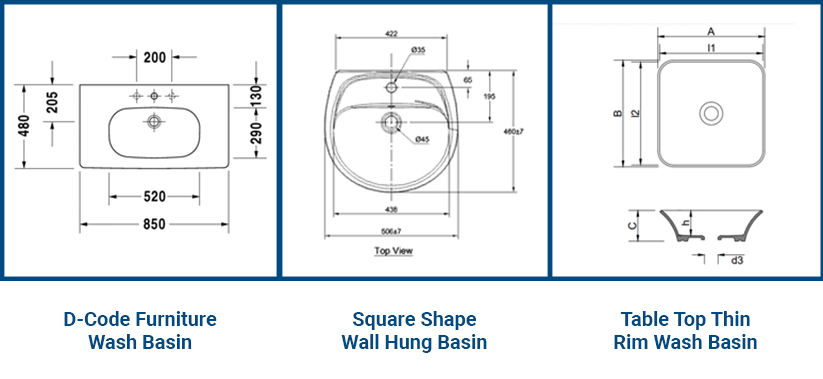
When it comes to selecting the appropriate size for a commercial hand wash basin, various factors must be taken into account, including available space, anticipated traffic, and compliance specification. Common dimensions for standalone basins range from 500 mm to 800 mm in length, and widths typically span from 400 mm to 600 mm. The key is to provide ample space for the user to wash their hands thoroughly without feeling cramped.
Furthermore, basins should have a minimum depth of around 250 mm to ensure adequate water containment during use. In high-traffic establishments, larger basins may be beneficial, allowing for faster turnover and reduced waiting times during peak periods. Ultimately, the size chosen must align with both functional needs and regulatory requirements.
3. Types of Commercial Hand Wash Basins
Commercial hand wash basins come in various designs and materials, each offering unique advantages. The most common types include:
- Wall-Mounted Basins: These are ideal for spaces with limited floor area. Typically designed with a compact footprint, wall-mounted basins are easily accessible and promote better flow in crowded environments.
- Stationary Units: These freestanding hand wash basins provide a sturdy option in setups where plumbing constraints exist. They are often found in kitchens and restrooms.
- Touchless Basins: Featuring automatic sensors, touchless basins are becoming increasingly popular due to the added hygiene they provide. They eliminate the need for users to physically touch any surface to operate the faucet, thus reducing cross-contamination.
- Hand Wash Sinks with Integrated Fixtures: These models combine the basin with built-in soap dispensers, towel holders, or hand dryers, creating a streamlined experience for users.
The choice of a particular type depends largely on the specific requirements of the business, available space, and budget considerations.
4. Installation Considerations
Installation of commercial hand wash basins demands careful consideration and compliance with building regulations. Key factors to bear in mind include:
- Height and Accessibility: Basins should be installed at a height that provides ease of use for all potential users, including individuals with disabilities. Regulations may dictate a height of approximately 850 mm from the floor, but this can vary based on specific requirements.
- Pipe Routing and Plumbing: Proper installation necessitates that water supply and drainage systems are efficiently configured. Appropriate pipe diameters should be maintained to ensure unobstructed flow and prevent clogs, typically ranging between 32 mm to 40 mm for waste outlets.
- Water Supply and Temperature Regulations: It is essential to ensure that basins have a constant supply of warm potable water, as mandated by health and safety codes. Furthermore, anti-scalding technology should be employed to maintain user safety.
- Environmental Factors: Consideration should be given to the surrounding environment, ensuring the basin is placed away from potential contaminants, such as food debris in kitchens.
5. Maintenance Practices
Maintaining hand wash basins is crucial for ensuring ongoing hygiene and compliance. Regular checks should be performed to confirm that water supply and drainage systems remain unclogged, and fixtures function properly. It is advisable to incorporate a cleaning schedule that includes daily sanitisation of the basin itself, taps, and surrounding surfaces.
Additionally, businesses should ensure that soap dispensers are routinely checked and refilled, and that paper towel dispensers or hand dryers are always operational. Keeping these elements in good working order ensures that hand washing remains a preferred and efficient practice in your commercial space.
Conclusion
The implementation of properly sized and installed commercial hand wash basins is critical for any business that prioritises cleanliness and compliance with health standards. Understanding the importance of these facilities, along with their appropriate sizes and installation requirements, goes a long way in fostering a culture of hygiene. The right basin not only enhances user experience but also safeguards public health, making it an indispensable asset in the commercial landscape.
FAQ
What are the compliance sizes for commercial hand wash basins?
Compliance sizes typically range from 500 mm to 800 mm in length and 400 mm to 600 mm in width, with a minimum depth of 250 mm.
What types of commercial hand wash basins are available?
Common types include wall-mounted basins, stationary units, touchless basins, and hand wash sinks with integrated fixtures.
What installation considerations should be taken into account?
Key considerations include height and accessibility, proper plumbing and drainage, and ensuring a constant supply of warm potable water.




Leave a Reply