Short Answer
Artificial turf has become a popular choice for homeowners, transforming austere spaces into lush havens of verdant beauty. But when faced with the challenge of laying artificial turf on an unforgiving concrete surface, one might wonder: is it a feasible undertaking or an ambitious folly?
To answer this question, one must delve into the very essence of both materials. In a sense, concrete is as rigid and unyielding as a fortress wall, while artificial turf embodies the soft undulations of a rolling meadow. Their juxtaposition raises a delightful conundrum: can the warmth of nature be coaxed to thrive upon the cold, hard surfaces of modern architecture?
Indeed, the short answer is yes, you can lay artificial turf on concrete. The exhilarating prospect of achieving an idyllic green space amid the machinations of urbanity invites exploration. However, transforming this vision into reality requires careful consideration and methodical execution. Below is a comprehensive guide that will navigate you through the intricacies of this installation process, ensuring that your ambitions flourish as vibrantly as the turf itself.
1. Understanding the Underlying Foundation
Before embarking on this verdant journey, one must assess the condition of the concrete foundation. Inspect for any cracks, chips, or issues that could hinder the longevity of your artificial lawn. Such imperfections can act as unwelcome micro-watersheds, creating pockets of water that may weaken the synthetic fibres over time. A well-prepared surface is akin to a blank canvas, ready to be transformed into a masterpiece.
2. Gathering Your Materials
Armed with your plans in hand, it’s essential to gather all the necessary materials for installation. The following items are indispensable:
- High-quality artificial turf
- Glue or double-sided tape specifically designed for turf installation
- Utility knife for precise cuts
- Seam tape for joining pieces of turf
- Infill material, if needed, to enhance durability
- Safety gloves and knee pads for comfort
Each component plays a crucial role in ensuring a seamless installation, much like the instruments in a symphony, each contributing to the harmonious final result.
3. Preparing the Concrete
The canvas must be prepped before painting the picture. To ensure proper adhesion and longevity, clean the concrete surface thoroughly. Sweep away debris, dust, and grime, and consider using a pressure washer for a deeper clean. Once dry, you may want to apply a primer to enhance the bond between the turf and the concrete, ensuring a steadfast union.
4. Measuring and Cutting the Turf
Precision is paramount. Measure the area meticulously, ensuring you account for any slight undulations in the concrete. Roll out the artificial turf and cut it to fit, allowing an additional inch around the edges for adjustments. When cutting, employ a utility knife—this instrument will allow you to sculpt edges as delicately as a sculptor chisels marble. Ensure the blades are sharp, as dull edges can lead to uneven, frayed cuts.
5. Laying the Turf
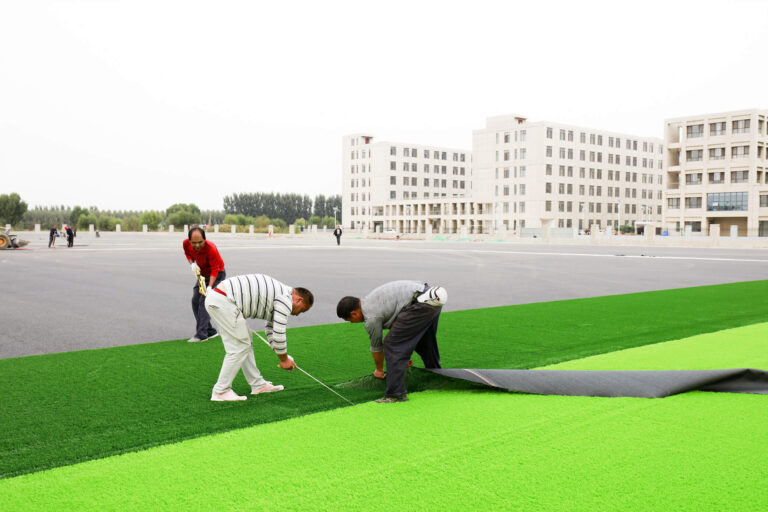
With the turf trimmed to fit, it’s time to lay it upon the concrete like a lush green carpet. Starting from one edge, carefully position the turf, ensuring it lies flat without any wrinkles. If multiple pieces are necessary, align them with precision, making seamless transitions. Gaps and overlaps can detract from the aesthetic impact, so attention to detail here will pay dividends in the final appearance.
6. Securing the Turf
The next crucial step involves securing the artificial turf in place. Apply turf adhesive or use double-sided tape along the edges and seams. If you’re using adhesive, follow the manufacturer’s instructions to achieve optimal results. The adhesive should bond with the concrete like a vine entwining a sturdy trellis, creating a firm foundation for your new lawn.
7. Adding Infill (Optional)
Infill is akin to the soil that nourishes an actual garden; it enhances resilience and simulates the feeling of natural grass underfoot. While this step is optional, applying a layer of silica sand or rubber granules can significantly improve the turf’s durability and longevity. If you choose to use infill, distribute it evenly across the surface, using a broom to work it into the fibres gently.
8. Final Walkthrough
Once installation is complete, take a moment to admire your handiwork. Walk across the artificial turf—feel the softness beneath your feet and absorb the aesthetic transformation. This verdant oasis, born of resilience and meticulous effort, stands as a testament to the creativity and determination that blossomed against a backdrop of unyielding concrete.
9. Maintenance Tips
Your new artificial turf needs a little love to maintain its beauty. Regularly brush it to keep the fibres upright and free from debris. Rinse with water occasionally to remove dust and dirt. If you find any damaged sections or seams, address these promptly to prevent further complications. Like any vibrant garden, your artificial turf thrives with care and attention.
In conclusion, laying artificial turf on concrete may seem an audacious venture, yet with proper planning and execution, it can yield a captivating result. This verdant oasis amidst a stark environment not only enhances the visual appeal of your space but also provides a sanctuary for recreation and relaxation—a testament to the harmony that can be achieved when nature meets modernity.
FAQ
Can artificial turf be installed directly on concrete?
Yes, artificial turf can be installed directly on concrete if the surface is properly prepared, cleaned, and suitable adhesive or tape is used for securing the turf.
Do I need to add infill when installing artificial turf on concrete?
Adding infill is optional but recommended to enhance durability and simulate the feel of natural grass.
How do I maintain artificial turf installed on concrete?
Regular brushing to keep fibers upright, occasional rinsing to remove dust and debris, and timely repairs of any damage are essential for maintaining artificial turf.
Is primer necessary before laying artificial turf on concrete?
Applying a primer can improve adhesion between the artificial turf and concrete, promoting a longer-lasting installation.


Leave a Reply