Short Answer
In the throes of the green energy revolution, solar panels have emerged as a quintessential component of sustainable living. Yet, whilst the panels themselves often captivate the imagination, the infrastructure that supports them remains less discussed. Enter solar panel mounting rails—a critical yet sometimes overlooked element in the solar power ecosystem. This article delves into the various types of mounting rails, installation practices, and the pivotal aspect of load ratings, shedding light on why this topic deserves closer scrutiny.
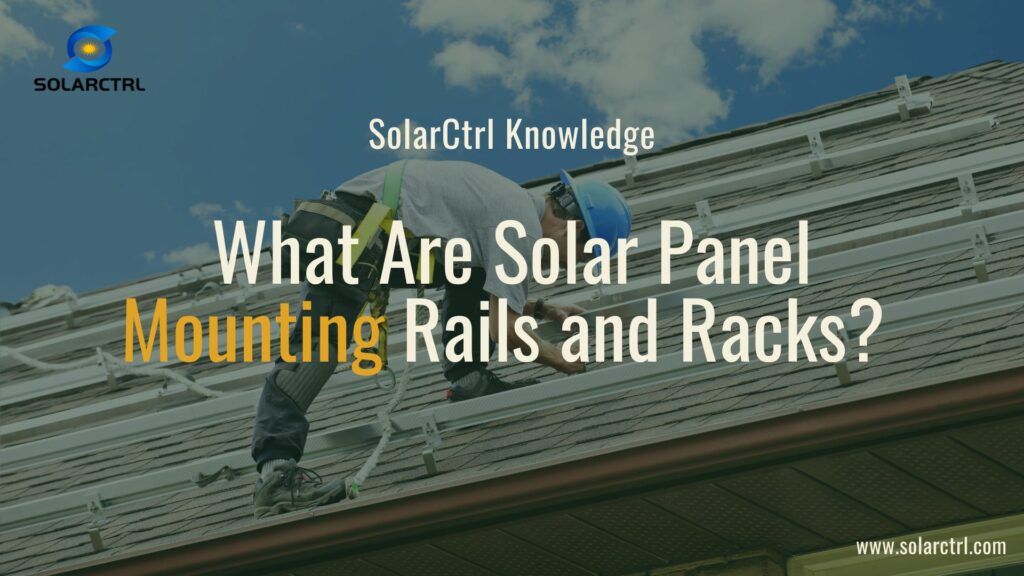
First and foremost, it is essential to establish what solar panel mounting rails are. Typically made from robust materials such as aluminium or galvanized steel, these rails serve as the foundational support for solar panels, ensuring they are securely attached to roofs, ground mounts, or other surfaces. The choice of rail type significantly influences not only the functionality of the solar array but also its longevity and performance.
There are several categories of solar panel mounting rails, each tailored to different installation scenarios. The most prevalent types include:
- Fixed Mounts: These are the most straightforward solutions, providing a stationary base for solar panels. Ideal for surfaces with a consistent angle towards the sun, fixed mounts offer simplicity and durability, making them a preferred choice for residential installations.
- Adjustable Mounts: These systems offer flexibility by allowing the angle of the solar panels to be modified. This adaptability enables users to optimise energy capture across varying seasons, thus enhancing overall efficiency. Adjustable mounts often come with mechanisms for manual or mechanical adjustments, catering to users who wish to maximise their energy production.
- Tracking Mounts: Among the more sophisticated options, tracking mounts follow the sun’s trajectory throughout the day. These dynamic systems can double energy production by continuously adjusting their position to ensure solar panels remain perpendicular to the sun’s rays. However, their complexity and higher costs may deter some homeowners.
- Ground Mounting Systems: For those unable to install solar panels on their roofs due to structural limitations or space constraints, ground mounts are an effective alternative. The installation can be customised to optimise sun exposure, and it allows for easier maintenance and panel upgrades.
Having explored the types, the next consideration is the installation process, which is paramount to the effectiveness and safety of the solar array. Proper installation involves meticulous planning and execution, beginning with site assessment. This includes evaluating the structural integrity of the installation site and the surrounding environment, as vegetation, building orientation, and potential shading can all impact performance.

Once the site is deemed suitable, the installation of the mounting rails typically follows a standardised procedure. Key steps include:
- Preparation of the Area: Clearing debris and ensuring a flat surface is critical. For roof installations, the area where the rails will be affixed must be inspected for potential leaks and structural soundness.
- Positioning the Rails: Mounting rails must be strategically laid out to align with the solar panels and the roof or ground structure. This involves accurately measuring spacing and angles, taking into account both the mount type and local weather conditions.
- Securing the Rails: Depending on the mounting type, this may involve drilling, bolting, or employing brackets to hold the rails in place. Using quality materials and proper tools is vital to ensure the long-term durability of the installation.
- Attaching the Solar Panels: Once the rails are secured, the solar panels are affixed to them. This step requires careful handling to avoid damaging the panels and often involves using clamps or brackets specifically designed for the mounting system.
- Final Inspection: Once installed, a thorough inspection is conducted to confirm that everything is correctly secured and aligned. All electrical connections must also be checked to ensure optimum efficiency and safety.
One cannot overlook the significance of load ratings when contemplating solar panel mounting rails. Load ratings denote the maximum weight the mounting system can support, which is crucial given that solar panels can be substantial, particularly when accounting for snow accumulation, wind loads, and seismic activity.
To ascertain appropriate load ratings, manufacturers typically conduct extensive testing and provide specific guidelines based on factors such as material strength and installation method. Hence, it is imperative for installers to consider regional weather patterns when selecting mounting rails. For instance, an area prone to heavy snowfall will necessitate mounts with higher load ratings to ensure stability and longevity.
Furthermore, adherence to local building codes and regulations is paramount. Each jurisdiction may have its stipulations regarding load ratings, especially in regions susceptible to harsh weather conditions. Proper documentation ensures compliance and mitigates potential hazards associated with improper installations.
Ultimately, the intricacies of solar panel mounting rails speak to a broader narrative about solar energy. Understanding the nuances of different rail types, installation processes, and load ratings reveals the significant thought and engineering required to harness the sun’s power reliably and effectively.
As solar technologies continue to evolve and the drive for renewable energy intensifies, exploring the unsung heroics of mounting rails not only enriches our comprehension but also underscores the importance of integrity in solar infrastructure. The fascination with solar energy is not solely in its ability to provide clean power but extends to the thoughtful engineering that makes such energy harvesting viable in homes and businesses alike.
FAQ
What are solar panel mounting rails?
Solar panel mounting rails are structures that support solar panels, ensuring they are securely attached to roofs or ground mounts.
What types of solar panel mounting rails are available?
The main types include fixed mounts, adjustable mounts, tracking mounts, and ground mounting systems.
Why are load ratings important for mounting rails?
Load ratings indicate the maximum weight the mounting system can support, which is crucial for safety and performance.
How should solar panel mounting rails be installed?
Installation involves site assessment, preparing the area, positioning and securing the rails, attaching the solar panels, and conducting a final inspection.


Leave a Reply