Short Answer
Bladder infections, often categorised under the broader umbrella of urinary tract infections (UTIs), can be a rather perplexing and uncomfortable experience. Combined with symptoms of bloating, they pose a unique challenge that can leave individuals puzzled and seeking answers. Have you ever found yourself wondering, “Could my bloating be linked to a bladder infection?” In this journey of exploration, we will delve into the interconnection between bladder infections and bloating, scrutinising the causes, symptoms, and treatment approaches.
Understanding Bladder Infections
At their core, bladder infections stem from the infiltration of pathogens—most commonly bacteria—into the bladder, resulting in inflammation and discomfort. The most prevalent perpetrator is *Escherichia coli* (E. coli), a bacterium that normally resides in the intestines but can wreak havoc when it makes its way into the urinary tract. Other culprits can include various strains of bacteria that may not typically inhabit the urinary system.
Bladder infections primarily arise due to the following factors:
- Short Urethra: Women possess a shorter urethra compared to men, making it easier for bacteria to reach the bladder.
- Sexual Activity: Coitus may introduce new bacteria into the urinary tract, increasing the risk of infection.
- Menopause: Post-menopausal changes, such as reduced oestrogen levels, can lead to alterations in urinary tract flora.
- Catheter Use: The insertion of urinary catheters can facilitate bacterial entry.
- Urinary Retention: Incomplete bladder voiding can create an environment conducive to bacterial growth.
Linking Bloating with Bladder Infections
Bloating, characterised by a distended and uncomfortable belly, can accompany various medical conditions, including bladder infections. The feeling of fullness can stem from gas accumulation, fluid retention, or changes in gastrointestinal motility. When a bladder infection takes root, it can cause irritation of not only the bladder but also nearby organs, including the intestines, potentially leading to bloating sensations.
Moreover, the body’s inflammatory response to infection may encourage the release of cytokines, signalling molecules that can affect gut function and lead to gastrointestinal disturbances, undoubtedly exacerbating bloating symptoms. This connection might surprise some, yet understanding this relationship is crucial for proper symptom management.
Recognising Symptoms
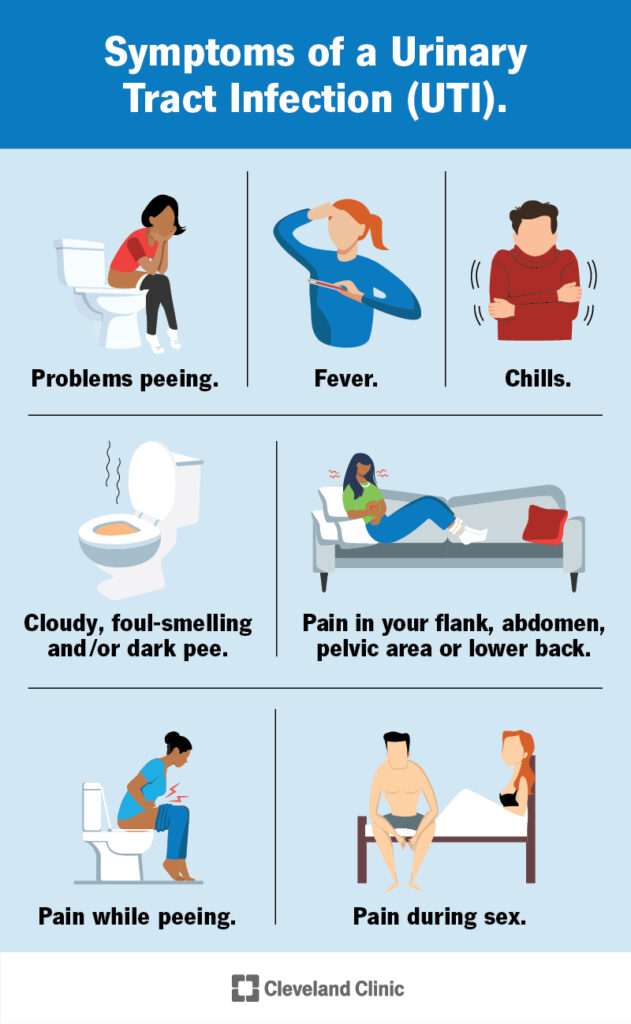
Identifying the symptoms of a bladder infection is paramount for timely intervention. While traditional indicators include:
- Frequent urge to urinate
- Painful urination (dysuria)
- Cloudy or bloody urine
- Strong-smelling urine
- Pain in the lower abdomen or back
It is equally important to consider the less frequently recognised symptoms, including:
- Bloating or a sensation of fullness
- Nausea
- Abdominal discomfort
- Fatigue or malaise
When experiencing a combination of these symptoms, especially if they coincide with any gastrointestinal disturbances, a visit to a healthcare professional is warranted to explore the possibility of a bladder infection.
Diagnostic Approaches
Diagnosis of a bladder infection generally begins with a thorough history and physical examination. A vital step typically involves a urinalysis, which detects the presence of bacteria, white blood cells, and red blood cells. Furthermore, urine culture may be conducted to identify the specific bacteria responsible, aiding in expediting targeted treatment.
In cases where symptoms persist despite treatment or if recurrent infections occur, additional diagnostic tests such as ultrasounds or cystoscopies may be considered to extricate underlying issues.
Effective Treatment Strategies
For straightforward bladder infections, antibiotic therapy is the cornerstone of treatment. Commonly prescribed antibiotics can effectively eradicate the infection within a matter of days. It is crucial to adhere to the prescribed course even if symptoms alleviate prematurely.
To mitigate bloating and discomfort during treatment, various supportive measures include:
- Hydration: A heightened intake of fluids assists in flushing out bacteria and can ease bloating.
- Dietary Adjustments: Avoiding gas-producing foods like beans and broccoli may be beneficial, while incorporating probiotics might restore healthy gut flora.
- Pain Management: Over-the-counter pain relievers can provide relief from abdominal discomfort.
In recurrent cases or chronic bladder infections, healthcare providers may recommend prolonged antibiotic therapy or preventive strategies, such as urinary antiseptics, to stave off future occurrences. It is essential to engage in an open dialogue with healthcare professionals to tailor the best course of action.
Conclusion
The intricacies of a bladder infection intertwined with bloating can certainly present a conundrum for many. With a comprehensive understanding of the causes, symptoms, and treatment options, individuals can navigate this challenging terrain with confidence. So, the next time a bout of bloating strikes, consider examining the full spectrum of possible causes, including that elusive bladder infection that may not always immediately come to mind. Empower yourself with knowledge, seek timely medical intervention, and reclaim your well-being.
FAQ
What are the common symptoms of a bladder infection?
Common symptoms include frequent urge to urinate, painful urination, cloudy or bloody urine, and lower abdominal pain.
Can bloating be a symptom of a bladder infection?
Yes, bloating can occur due to the irritation of nearby organs from the infection.
What are the treatment options for a bladder infection?
Treatment typically involves antibiotics, hydration, and dietary adjustments to alleviate symptoms.
FAQ
What are the common symptoms of a bladder infection?
Common symptoms include frequent urge to urinate, painful urination, cloudy or bloody urine, and lower abdominal pain.
Can bloating be a symptom of a bladder infection?
Yes, bloating can occur due to the irritation of nearby organs from the infection.
What are the treatment options for a bladder infection?
Treatment typically involves antibiotics, hydration, and dietary adjustments to alleviate symptoms.



Leave a Reply