Short Answer
When faced with the prospect of tooth loss, individuals often think of dental implants as the singular solution. However, for many, the cost and complexity of implants can be daunting. Fortunately, there exists a myriad of alternatives that offer viable and affordable tooth replacement options. This exploration delves into these alternatives, ensuring you’re well-equipped to make an informed decision about your dental health.
To understand the alternatives available, it’s essential to grasp why tooth replacement is crucial. Beyond aesthetic concerns, missing teeth can lead to myriad oral health issues, including shifting of adjacent teeth, bone loss, and difficulties in chewing. Thus, seeking a dependable and cost-effective solution is imperative.
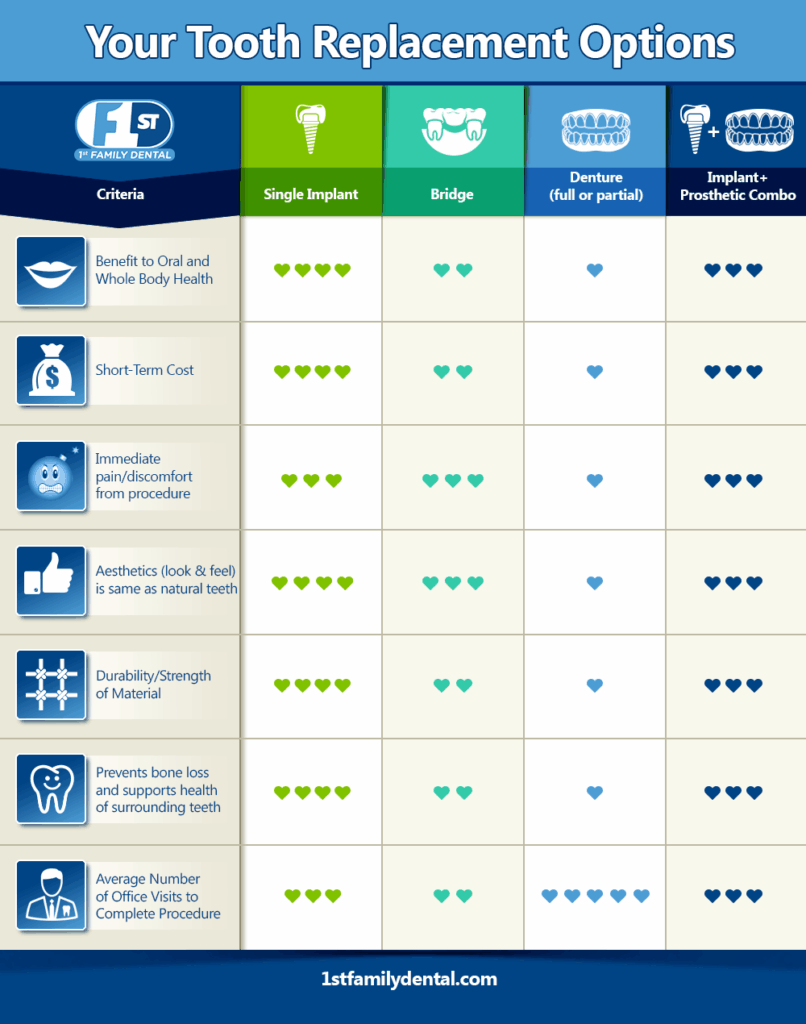
One of the most accessible alternatives is dentures. These prosthetic appliances come in two forms: complete and partial. Complete dentures are designed for individuals who have lost all their teeth in one jaw, while partial dentures cater to those who still retain some of their natural teeth. The versatility of dentures allows them to be customised to fit individual needs, often giving users a new lease on life through restored confidence and improved functionality.
Modern dentures are far from the clunky, uncomfortable versions of yesteryear. They can be created from advanced materials that mirror the appearance of natural teeth and gums, ensuring a more lifelike look. Furthermore, with the aid of dental adhesives or implants, they can be stabilised, enhancing comfort and wearability.
Another compelling alternative is dental bridges. This option is particularly suitable for those who have one or more teeth missing but wish to avoid an invasive procedure. A dental bridge comprises two or more crowns placed on the adjacent teeth, with a false tooth (or teeth) anchored in between. This not only restores functionality by bridging the gap in your smile but also maintains the alignment of your existing teeth, mitigating potential complications.
The longevity of a dental bridge can be excellent, often lasting between 5 to 15 years with proper care. However, it’s crucial to maintain stringent oral hygiene, as the health of the supporting teeth is paramount for the bridge’s durability. Regular dentist visits ensure that any underlying issues are addressed promptly, reinforcing the infrastructure of your smile.
For those averse to the idea of permanent solutions, flexible partial dentures serve as an appealing interim option. Specifically designed for comfort and aesthetics, these dentures are made from flexible materials, allowing for a more natural and secure fit. They are particularly advantageous for those who may have lost a few teeth but wish to avoid more invasive procedures until a later time. The lightweight nature of flexible partials enhances usability, allowing wearers to chew and speak without discomfort.
Then there are resin-bonded bridges, often referred to as Maryland bridges. This type of bridge is less invasive than traditional ones. It employs a framework that bonds to the back of adjacent teeth, providing support for the artificial tooth. This alternative not only preserves more of the natural teeth but is also a quicker solution, requiring fewer visits to the dentist. However, it’s important to note that Maryland bridges may not be suitable for all candidates, especially if additional strength is required.
Another fascinating option comes in the form of a removable partial denture, which can be advantageous for younger patients or those requiring periodic adjustments. This type of denture is precisely tailored to the contours of the mouth, making it easy to remove for cleaning. Its versatility makes it an attractive choice for a variety of users.
Innovations in removable appliances also include flexible dentures, which boast a more natural feel in day-to-day use compared to their traditional counterparts. Made from high-quality thermoplastic materials, these appliances not only provide comfort but also exhibit a level of flexibility that can help alleviate pressure points on gums.
In some cases, tooth-supported bridgework offers an intriguing alternative. Unlike conventional bridges, which necessitate altering adjacent teeth, this type relies on existing teeth for support. Such arrangements can preserve the structure of teeth that would otherwise be affected by traditional methods. However, it is crucial to engage in thorough consultations with your dental professional to ascertain the best path forward.
Aside from these options, advances in dental technology have ushered in the era of 3D printing. Custom-designed replacement teeth can now be produced with astonishing accuracy and speed. This opens the door for patients to explore bespoke solutions tailored to their unique dental architectures.
Ultimately, the path to regaining your smile need not be a solitary or singular journey. Each individual’s dental needs are distinct; hence, what works brilliantly for one person may not resonate with another. Cost, comfort, aesthetics, and personal preferences all play substantial roles in the choice of tooth replacement.
Approaching tooth loss with a proactive mindset can shift your perspective from despair to empowerment. The realm of dental solutions is no longer limited to dental implants, offering an array of choices that promise effective restoration and renewed confidence. As you consider your options, take the time to consult with a dental professional who can guide you through these alternatives and help tailor a solution that best fits your lifestyle and budget.
Your smile is, after all, an integral part of your identity, and with the right approach, you can safeguard its brilliance for years to come.
FAQ
What are the main alternatives to dental implants?
Alternatives include dentures (complete and partial), dental bridges, flexible partial dentures, resin-bonded (Maryland) bridges, removable partial dentures, tooth-supported bridges, and 3D-printed custom teeth.
Are dentures a good replacement option for missing teeth?
Yes, dentures are a versatile and cost-effective option that can restore function and aesthetics, especially for those who have lost multiple teeth.
How long do dental bridges typically last?
With proper care, dental bridges can last between 5 to 15 years, depending on the type and oral hygiene.
What makes resin-bonded bridges different from traditional bridges?
Resin-bonded or Maryland bridges are less invasive, bonding to the back of adjacent teeth without needing significant alteration of those teeth, making them a quicker and more conservative option.
Is 3D printing commonly used for tooth replacement?
3D printing is an emerging technology in dentistry that allows for customized replacement teeth with high accuracy, though it is still gaining wider adoption.

Leave a Reply