Short Answer
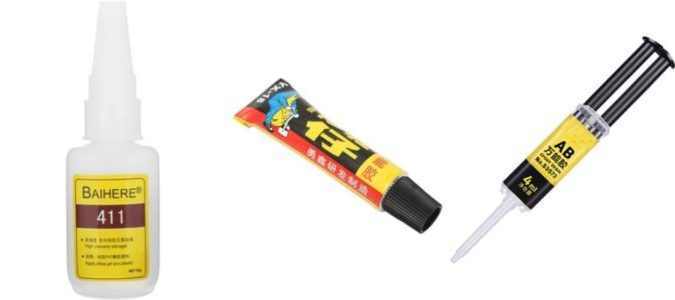
When it comes to crafting, repairs, or even complex industrial applications, have you ever pondered what the best adhesive for latex rubber might be? The smooth, flexible nature of latex rubber makes it a favourite choice for a multitude of projects, from inflatable objects to seals and gaskets. However, selecting the correct adhesive can present a whimsical challenge—one that, if not addressed appropriately, can lead to a disheartening situation where your creations simply fall apart. This article will delve into the various types of adhesives suitable for latex rubber, alongside application tips that ensure optimal adhesion.
Before embarking on your adhesive adventure, it is imperative to understand the unique qualities of latex rubber. As a synthetic polymer, it exhibits remarkable elasticity and resilience but also poses a distinct challenge: its surface can be difficult to bond effectively without the right preparation. Let us explore the types of adhesives best suited to this versatile material.
Types of Adhesives for Latex Rubber
1. Latex Adhesives: Specifically formulated for bonding latex, these adhesives are water-based, non-toxic, and flexible when dry. They typically dry clear, making them ideal for applications where aesthetics are a concern. Latex adhesives work well for minor repairs and crafting projects requiring a gentle touch.
2. Cyanoacrylate Glues (Super Glue): While not traditionally the first choice for rubber, cyanoacrylate glues can be effective for small repairs or when quick bonding is required. Their rapid curing time can be a double-edged sword; while speed is advantageous, the bond may lack the flexibility and resilience needed for more demanding applications.
3. Contact Cement: This versatile adhesive forms a strong bond between rubber surfaces when applied to both surfaces and allowed to dry before being pressed together. Contact cement is excellent for larger projects or when working with thicker materials. Its adaptability makes it a favourite among professionals.
4. Silicone Adhesives: For projects requiring high flexibility and weather resistance, silicone adhesives stand out. Their durability in extreme conditions makes them perfect for outdoor applications where flexibility and adherence are critical. However, they may not always adhere well initially, thus requiring proper surface preparation.
5. Polyurethane Adhesives: Renowned for their exceptional bonding strength, polyurethane adhesives can bond a variety of materials, including latex rubber. They are ideal for heavy-duty applications that demand endurance and flexibility.
6. Epoxy Resins: While typically not the go-to for rubber alone, epoxy can provide outstanding adhesion when mixed with latex formulations. Their reinforced nature makes them ideal for structural applications or places subject to stresses.
Factors to Consider When Choosing an Adhesive
Choosing the right adhesive isn’t merely about the type; several factors must be weighed for a successful bond.
- Environmental Considerations: Will your project be exposed to moisture, heat, or chemicals? Some adhesives perform poorly under such circumstances, making it crucial to select a product tailored to withstand specific environmental conditions.
- Flexible vs. Rigid Bonds: Depending on the application, the need for flexibility in the bond should be factored in. Adhesives such as silicone or latex provide a more flexible solution, while epoxies offer rigidity.
- Surface Preparation: The quality of adhesion often depends on how well the surfaces were prepared. Cleaning, sanding, or roughening the surface can significantly enhance bonding for many adhesives.
- Application Method: Different adhesives have varying application methods, so choose one that suits both your skill level and project needs.
Application Tips for Optimal Results
Navigating the intricacies of adhesive application requires a mixture of finesse and knowledge. Follow these tips to elevate the success of your projects:
- Clean the Surface: Before applying any adhesive, thoroughly clean the surfaces to remove dust, oil, or grease. Use a mild detergent and water, then dry completely to allow for optimal bonding.
- Test the Adhesive: If unsure about the compatibility of a specific adhesive with your latex rubber, conduct a small patch test. This step can save you from irreversible mishaps.
- Follow Manufacturer’s Instructions: Each adhesive comes with detailed usage instructions which should be followed meticulously. Pay particular attention to drying times and handling guidelines.
- Allow for Curing: Patience is key. Many adhesives require a specific curing time to achieve maximum strength. Avoid stress on the bond during this period for optimal results.
- Use Pressure: For adhesives like contact cement, applying pressure after bonding can significantly enhance adhesion, as it allows for better surface contact and improves overall strength.
Common Mistakes to Avoid
Even seasoned crafters can make errors when bonding latex rubber. Here are some pitfalls to steer clear of:
- Over-application: Applying too much adhesive can lead to a weaker bond, as it may not cure properly. Adherence often improves with a thin, even layer.
- Ignoring Shelf Life: Adhesives can degrade over time. Always check the shelf life and condition of your adhesive before use to ensure effective bonding.
In conclusion, while the quest for the perfect adhesive for latex rubber may seem daunting, equipping yourself with the right knowledge can greatly simplify the process. From latex and contact adhesives to the robust offerings of polyurethane and epoxy, the options are plentiful. By carefully considering your project requirements, following application tips, and avoiding common pitfalls, you can create lasting bonds that stand the test of time. Whatever your adhesive challenges may be, embrace them, for they are the keys to unlocking your creative potential!
FAQ
What is the best adhesive for latex rubber?
The best adhesive for latex rubber includes latex adhesives, cyanoacrylate glues, contact cement, silicone adhesives, polyurethane adhesives, and epoxy resins, depending on the specific application.
How do I prepare surfaces for adhesive application?
Clean the surfaces to remove dust, oil, or grease, and consider sanding or roughening them to enhance bonding.
What common mistakes should I avoid when using adhesives?
Avoid over-application of adhesive, ignore shelf life, and ensure proper surface preparation for the best results.

Leave a Reply