Short Answer
Coriander, often dubbed as the herb of versatility, graces kitchens around the globe with its robust flavour and vibrant aroma. Whether you are a seasoned gardener or a novice without a green thumb, cultivating this extraordinary herb from seeds opens up a world of possibilities in your culinary pursuits. With a few essential tips and an understanding of its growth cycle, you will find that the journey from seed to harvest is both rewarding and enlightening.
Understanding Coriander: A Brief Introduction
Coriander, scientifically known as Coriandrum sativum, is a member of the Apiaceae family. Renowned for its use in a myriad of cuisines, particularly in Mexican, Indian, and Middle Eastern dishes, this herb offers a unique duality—its leaves, known as cilantro, present a fresh, citrusy flavour, while the seeds have a distinctly warm and nutty profile. This article aims to equip you with the knowledge needed to grow coriander from seeds successfully, guiding you through planting, caring for, and harvesting your own coriander plants.
Choosing the Right Seeds
The first step in your coriander-growing journey is selecting high-quality seeds. Look for organic, untreated seeds, as these will provide better germination rates and promote a healthier plant growth. Opt for a variety suited to your climate; while most coriander thrives in temperate conditions, there are varieties adapted for warmer or cooler environments.
When to Plant Your Seeds
Coriander prefers cooler weather when it comes to sowing. The optimal time for planting is in early spring or autumn. These periods offer the moderate temperatures that coriander adores, allowing it to flourish without bolting prematurely. If you live in warmer regions, consider planting in partial shade to avoid excessive heat that can thwart its growth.
Preparing the Soil: The Foundation of Growth
A fertile, well-draining soil is imperative for cultivating coriander. Aim for a loamy mixture rich in organic matter. Incorporate compost or well-rotted manure to boost nutrient content. Ensure the pH level of your soil is neutral to slightly acidic (between 6.0 and 7.0), as this range facilitates optimal nutrient uptake. Moreover, thoroughly till the soil to eliminate any weeds that may compete for resources.
Sowing the Seeds
When you’re ready to plant, prepare to sow your coriander seeds directly into the soil rather than starting them indoors. This method tends to yield stronger plants that acclimatise better to outdoor conditions. Scatter seeds evenly across the soil surface, aiming for a spacing of about 15 cm apart. Lightly cover them with soil, no more than 1-2 cm deep, as coriander seeds require light to germinate. Water gently to avoid displacing the seeds, and keep the soil consistently moist but not soggy.
Germination: The Magic Begins
Patience is a virtue when awaiting germination. Under optimal conditions, coriander seeds typically sprout within 7 to 14 days. During this period, maintain adequate moisture levels by misting the soil lightly. As the seedlings emerge, thin them out to provide each plant ample space to grow, ensuring strong air circulation and reducing the risk of disease.
Caring for Your Coriander Plants
Once your coriander sprouts, nurturing them properly will set the stage for a fruitful harvest. Here are some care tips to ensure their success:
- Watering: Regularly water your plants, especially in dry spells. A deep soak once or twice a week is usually sufficient. Be cautious not to overwater, as this can lead to root rot.
- Fertilisation: Use a balanced fertiliser once or twice during the growing season to support robust growth. Avoid excessive nitrogen, which can lead to leafy plants with diminished flavour.
- Mulching: Apply a layer of organic mulch around the base of the plants to retain moisture, suppress weeds, and regulate soil temperature.
As your plants grow, be vigilant for pests, including aphids and spider mites. A gentle spray of insecticidal soap can help combat these invaders without harming your precious herbs.
Harvesting: The Sweet Reward
When it comes time to harvest, anticipation builds. Coriander is unique in that both leaves and seeds are edible, but timing is crucial. If you’re after fresh leaves, they can be harvested when the plant reaches about 15 cm in height. Simply snip off the leaves, allowing the plant to continue growing for a sustained harvest.
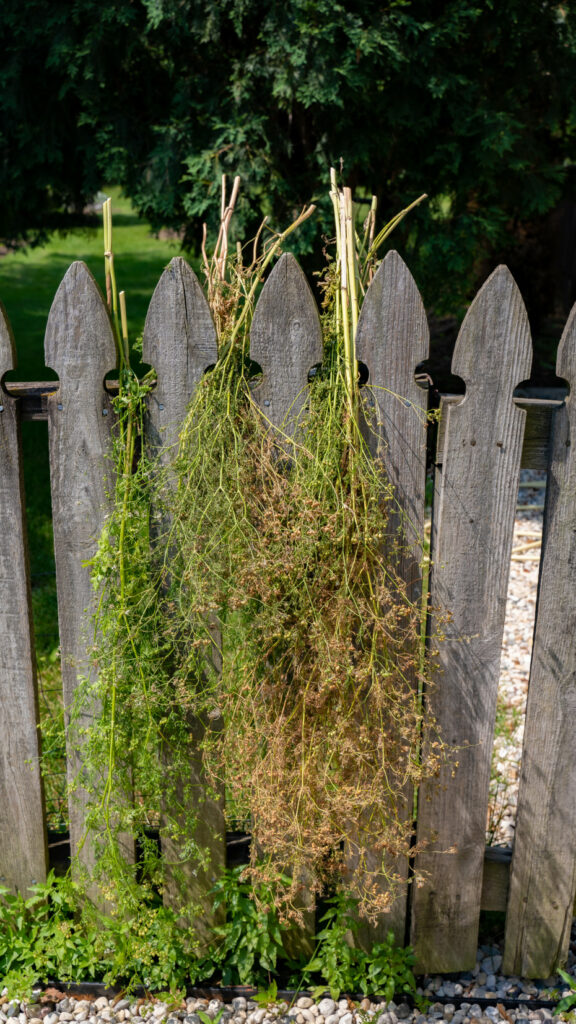
For seed harvesting, wait until the plant flowers and the seeds begin to turn from green to brown. This transformation typically occurs in late summer. Cut the flowering stems and allow them to dry in a well-ventilated area. Once dried, shake the heads to release the seeds, and store them in a cool, dark place for future planting or culinary use.
Conclusion: The Journey of the Herb
The experience of growing coriander from seeds is much more than a gardening task; it is a journey that deepens your appreciation for this often-underestimated herb. Each stage, from the initial sowing to the final harvest, offers its own lessons and rewards. Embrace the nuances of your particular environment, adapt to challenges, and celebrate the bounties of nature. By nurturing coriander, you not only cultivate a staple ingredient for your kitchen but also foster a deeper connection to the earth and the culinary traditions it sustains.
FAQ
What conditions are best for growing coriander?
Coriander grows best in temperate climates with well-draining loamy soil, moderate temperatures, and partial shade in warmer regions.
Why do coriander plants bolt and how can it be prevented?
Coriander bolts prematurely in hot weather; planting in cooler seasons and providing partial shade can help prevent this.
Can coriander be grown indoors from seeds?
While the article recommends direct sowing outdoors for stronger plants, coriander can be grown indoors with adequate light and care.

Leave a Reply