
Short Answer
Electric gates serve not just as a functional entry point to properties but also as a robust security barrier. The advent of automatic gates has led to a burgeoning interest in local electric gate wiring. This fascination stems not just from their utility but the modernity and sophistication they bring to homes and businesses. Proper installation and diligent attention to safety measures are of paramount importance. Below, you will find an extensive guide to understanding the intricacies of electric gate wiring, installation processes, and crucial safety tips.
Understanding Electric Gate Systems
Electric gates primarily operate through a combination of technology and mechanical components. When contemplating installation, it’s critical to discern the types of electric gate systems available. The main categories include swing gates, sliding gates, and barrier arms. Each of these types has distinct wiring requirements and operational mechanisms.
Before delving into installation specifics, an essential aspect to consider is the electric supply. Most systems require a reliable source of power, generally at 230V, and you’ll often need a certified electrician to ensure compliance with local regulations.
Essential Components for Wiring
In the world of electric gates, a handful of components are integral to their operation:
- Electric Gate Motors: The heart of the system, responsible for the movement of the gate.
- Control Panel: This unit houses the controls and integrates various elements including remotes, sensors, and intercoms.
- Safety Sensors: Devices that prevent the gate from closing on an object or person, pivotal for ensuring safety.
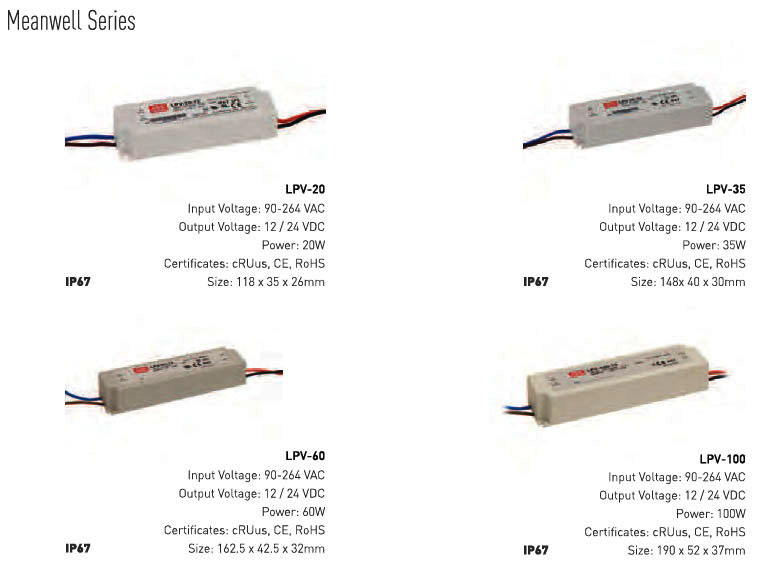
- Power Supply Unit: Converts the mains supply to a suitable voltage for use in the gate system.
- Cabling: Specific cabling tailored for outdoor usage is necessary to withstand weather elements.
Each component plays a crucial role in the overall efficacy and safety of the system.
The Installation Process
To embark on an effective installation, the following steps should be rigorously adhered to:
1. Planning and Preparation: Before any physical work, it is vital to conduct a thorough site assessment. Determine the gate’s location, ensuring there’s ample space for the range of movement—swing gates require wider arcs while sliding gates demand linear pathways.
2. Site Clearance: Clear the area of obstructions. A tidy site not only streamlines the installation process but also enhances safety—both for the installers and future use.
3. Installing the Electric Motor: Anchor the electric motor securely to its designated position, paying careful attention to ensure that it is level. This stability is imperative to prevent operational issues.
4. Wiring the System: The next phase involves meticulously connecting wires from the motor to the control panel. Following the manufacturer’s wiring diagrams is crucial to prevent potential short circuits or failure of components.
5. Integrating Safety Features: Install safety sensors and other vital safety features such as emergency stop buttons. These act as fail-safes, avoiding catastrophic accidents.
6. Test the System: Once installation is complete, rigorously test the electric gate multiple times. Check for smooth operation and responsiveness of safety features, ensuring that the gate opens and closes without hindrance.
Common Challenges and Troubleshooting
Even with meticulous installation, unforeseen challenges may arise. One common issue is power surges or interruptions, which can lead to malfunctions. Regular checks and maintenance can alleviate these concerns. Ensure that cabling is robust and protected from the elements to combat wear and tear over time. Additionally, mechanical wear on the motor and hinges should be routinely inspected and lubricated to prevent operational hiccups.
Safety Considerations
Given their mechanical nature, electric gates can pose hazards if not properly managed. Here are critical safety considerations:
- Child and Pet Safety: Always ensure that your gate system includes safety sensors, particularly if children or pets are in the vicinity.
- Regular Maintenance: Schedule routine inspections of the gate, motors, and wiring to preemptively address potential failures.
- Emergency Protocols: Familiarise all potential users with emergency override systems. In the event of a power failure, knowing how to manually disengage the gate is vital.
Conclusion
Local electric gate wiring is a fascinating blend of technology and practical engineering. The thoughtful installation and maintenance of these systems can bring significant benefits, enhancing security and convenience. By understanding the components, installation processes, and safety intricacies, one can ensure that their electric gate functions optimally while safeguarding those who utilise it. With diligence, the allure of electric gates is not merely their functionality but the peace of mind they usher into homes and businesses alike.
FAQ
What are electric gates?
Electric gates are automated entry points that enhance security and convenience for properties.
What safety features should be included in electric gate systems?
Safety sensors, emergency stop buttons, and regular maintenance checks are crucial for ensuring safety.
How do I install an electric gate?
Installation involves planning the site, securing the motor, wiring the system, and integrating safety features.


Leave a Reply