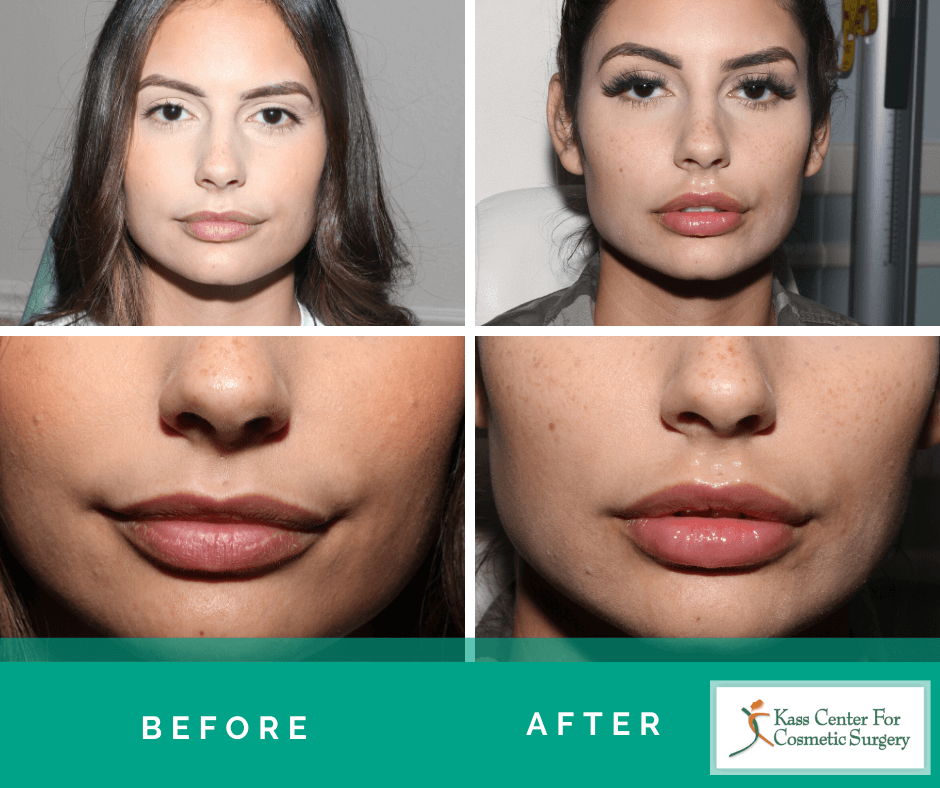
Short Answer
As the world of cosmetic enhancements continues to evolve, lip enhancement has become an increasingly popular procedure. The quest for plump, alluring lips can be alluring, but many potential patients frequently ponder the question: does lip enhancement hurt? This article delves into the truth behind the pain associated with lip enhancement procedures and offers valuable insights on managing discomfort during and after the process.
Understanding Lip Enhancement Techniques
To address the pain question effectively, it’s essential to explore the various methods of lip enhancement currently available. Most commonly, these include dermal fillers, fat transfer, and lip implants. Each technique offers distinct outcomes and has varying levels of discomfort.
Dermal fillers, often comprised of hyaluronic acid, are the most prevalent choice for lip enhancement. Quick and minimally invasive, they can effectively add volume and shape to the lips. The administration of dermal fillers involves several small injections, which naturally leads to a question regarding pain.
Another method, fat transfer, involves harvesting fat from another part of the body—typically the abdomen or thighs—and injecting it into the lips. Although this method may yield more natural results, it can be more uncomfortable due to the additional surgical procedures involved.
Lastly, lip implants offer a more permanent solution for those seeking substantial enhancement. This technique is inherently surgical and can involve more considerable discomfort post-procedure. Understanding these methods sets the stage for comprehending the pain levels associated with each.
The Discomfort Factor: What to Expect
The perception of pain is subjective; it varies greatly from one individual to another. Many factors contribute to this—personal pain tolerance, the specific procedure undertaken, and the skill of the practitioner. Generally, lip enhancement procedures can invoke a range of sensations.
During the process, patients may experience mild discomfort akin to a series of small pinches or stings from the injections. Physician-administered topical anaesthetics are frequently applied beforehand to mitigate pain, allowing for a more comfortable experience. Some practitioners also utilize ice packs or vibration devices to distract from and lessen the perception of discomfort.
Nevertheless, individuals have reported varying levels of pain, with some stating it was minimal and entirely manageable, while others perceived it as more intense. This disparity can be attributed to anatomical differences or the specific techniques employed during the procedure. It’s crucial to consult with a qualified practitioner who can provide realistic expectations tailored to your specific situation.
Post-Procedure Pain Management
Afterlip enhancement, some swelling and bruising are common. These side effects can be a source of discomfort, warranting appropriate management strategies. Common recommendations include:
- Cold Compresses: Applying a cold compress to the lips for short intervals can alleviate swelling and numb the area, contributing to reduced pain.
- Pain Relief Medication: Over-the-counter pain relief, such as ibuprofen or paracetamol, can be effective in managing discomfort. Always consult with your healthcare provider before taking any medication.
- Hydration: Keeping hydrated helps in the healing process. Staying well-hydrated can also minimise complications related to bruising.
- Avoiding Certain Activities: It’s prudent to avoid strenuous activities, excessive facial movements, and wearing lipstick or heavy makeup for a brief period following the procedure to promote optimal healing.
Understanding Risks and Side Effects
As with any cosmetic procedure, it’s essential to have a comprehensive understanding of potential risks and side effects associated with lip enhancement. In addition to pain, complications may include infection, allergic reactions, and undesired results such as asymmetry or overcorrection. These factors can contribute to the overall discomfort experienced by patients and should be discussed thoroughly during the consultation process.
Moreover, individuals with hypersensitivity or certain medical conditions may experience heightened discomfort. This reinforces the importance of choosing a qualified and experienced practitioner who can anticipate and manage such risks effectively.
Psychological Aspects of Pain and Expectation
Psychological elements play a significant role in the perceived pain of any procedure. The fear of pain can amplify anxiety and sensitivity, thereby enhancing an individual’s overall discomfort. Setting realistic expectations through proper consultation can alleviate these fears. Engaging in open dialogues with professionals about concerns and anticipated pain levels can help patients develop coping mechanisms, preparing them mentally for the procedure.
Making Informed Decisions
In conclusion, while some degree of discomfort is typically associated with lip enhancement procedures, the pain is often manageable and temporary. Understanding the various techniques, anticipating potential discomfort, and knowing how to effectively manage post-procedure pain can significantly mitigate concerns. As with any cosmetic enhancement, informed decisions rooted in thorough research and professional guidance pave the way for not only a smoother experience but also satisfactory results.
Emphasising preparation and open communication with professionals allows individuals to embark on their lip enhancement journey with confidence, eager to embrace their newfound allure while aptly navigating any discomfort along the way.
FAQ
Does lip enhancement hurt?
Lip enhancement can involve mild discomfort, but the pain is often manageable with appropriate pain management techniques.
What are the methods of lip enhancement?
Common methods include dermal fillers, fat transfer, and lip implants, each with varying levels of discomfort.
How can I manage pain after lip enhancement?
Common strategies include using cold compresses, taking over-the-counter pain relief, and staying hydrated.

Leave a Reply