Short Answer
The pursuit of energy efficiency often leads enthusiasts, architects, and lighting designers alike to explore the burgeoning realm of LED technology. As we step into 2026, the imperative of efficient power supplies for LED lighting becomes increasingly pronounced. A reliable power supply not only powers these lighting systems, but optimises their performance and longevity while contributing to sustainability. This article unveils the best options for power supplies tailored to LED setups, delving into their functionalities, benefits, and key considerations for their selection.
Firstly, understanding the pivotal role of a power supply in an LED lighting system is crucial. The power supply acts as a conduit between electrical sources and the lighting fixtures, regulating voltage and current for optimal operation. Incorrect specifications can lead to inadequate performance, flickering, or even total failure of the LED systems. Thus, the selection of an appropriate power supply emerges as a critical decision for achieving a bright and energy-efficient installation.
In 2026, several categories of power supplies dominate the market, each boasting unique attributes tailored to diverse applications. Among the most prevalent are constant voltage power supplies, constant current drivers, and dimmable power supplies. Let’s explore these in detail.
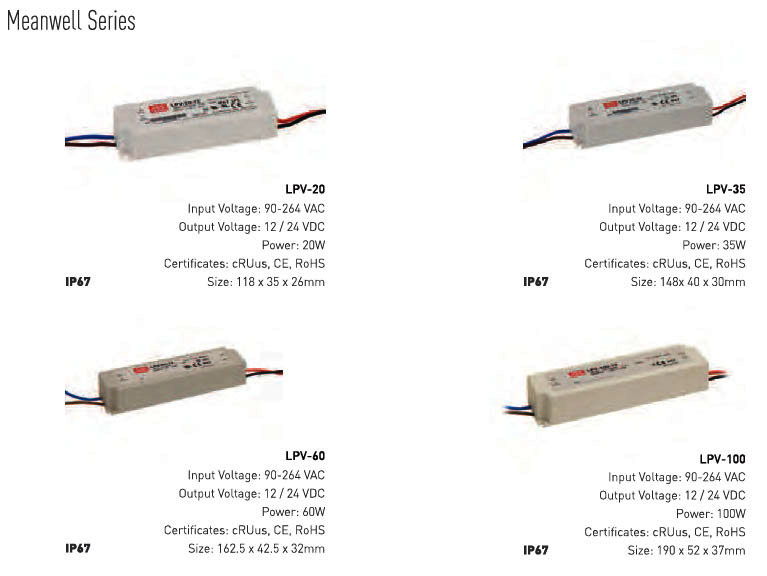
- Constant Voltage Power Supplies: Often regarded as the most straightforward choice, constant voltage power supplies provide a stable output voltage, making them ideal for powering multiple LEDs in parallel. This configuration ensures uniform brightness across the luminaires. Typically available in various voltage ratings, commonly at 12V or 24V, they are especially suitable for residential and commercial installations that require extensive lighting layouts. One significant advantage lies in their compatibility with a plethora of LED fixtures, making them an incredibly versatile option.
- Constant Current Drivers: For applications where precise control over the LED output is paramount, constant current drivers come to the forefront. They maintain a fixed output current that suits the specifications of the LED lights, which is particularly beneficial in high-end applications such as architectural and theatrical lighting. This type of driver frequently features sophisticated technologies to adjust output and prolong the life of the light source, enhancing both performance and efficiency.
- Dimmable Power Supplies: As consumer demand for adjustable lighting intensifies, dimmable power supplies have also surged in popularity. These systems allow users to modify light intensity to suit different occasions or moods, promoting energy conservation in the process. A range of dimming techniques is available, including TRIAC, PWM, and 0-10V dimming, each with its own merits depending on the specific application requirements.
Moving beyond the basic classifications, the geographical and situational context of LED installations significantly influences the choice of power supply. In regions experiencing variable power conditions or surges, integrated surge protection features are paramount. A power supply boasting surge protection safeguards LED systems against unintended damage, thereby enhancing longevity. This feature is especially critical in outdoor settings, where environmental factors are more unpredictable.
Moreover, efficiency ratings play a critical role in the overall performance of the power supply. Look for options that boast high efficiency ratings—generally, anything exceeding 90% is commendable. Higher efficiency not only reduces operational costs but also minimises heat generation, thereby contributing to a longer service life and reduced maintenance requirements. This careful selection can yield significant savings in energy bills and operational expenditures over time.
When considering installation, compactness and thermal management are additional facets that merit attention. In environments where space is limited, choosing a smaller power supply without compromising performance becomes vital. Furthermore, power supplies that incorporate intelligent thermal management systems can adapt to temperature fluctuations, ensuring reliable functionality despite ambient conditions.
The proliferation of smart technology also cannot be overlooked. Smart power supplies, equipped with IoT capabilities, allow users to monitor energy consumption, control lighting remotely, and even integrate with home automation systems. This convenience not only enhances user experience but also drives energy savings by optimising usage patterns. As we increasingly enter a digitally-driven landscape, the role of smart technology will be integral to LED lighting setups.
Another aspect to deliberate is the integration of power supplies with renewable energy sources. As sustainable living gains traction, coupling LED lighting systems with solar or wind energy setups presents both an eco-friendly choice and a potential cost-saving avenue. Power supplies that are specifically designed for such configurations facilitate seamless integration, allowing users to harness renewable energies efficiently.
Finally, don’t overlook the importance of certification and regulatory compliance when selecting a power supply. Ensure that the chosen equipment meets international safety and quality standards to mitigate risks and ensure reliable operation. Look for labels such as CE, UL, or RoHS, which signify adherence to necessary regulations, providing added peace of mind.
In conclusion, as the illumination landscape evolves towards increased efficiency and smart solutions in 2026, the importance of selecting the right power supply for LED lighting systems becomes more pronounced. By navigating through options such as constant voltage and current supplies, dimmable systems, and smart technology integrations, one can create a luminous environment that aligns with both aesthetic desires and sustainable practices. The choices made today will not only affect the efficiency and performance but will also resonate with a profound commitment to energy conservation and innovation for the future.
FAQ
What types of power supplies are best for LED lighting?
The best types of power supplies for LED lighting include constant voltage power supplies, constant current drivers, and dimmable power supplies.
How do I choose the right power supply for LED lights?
Consider factors like voltage requirements, efficiency ratings, and whether you need features like dimming or smart technology integration.


Leave a Reply