Short Answer
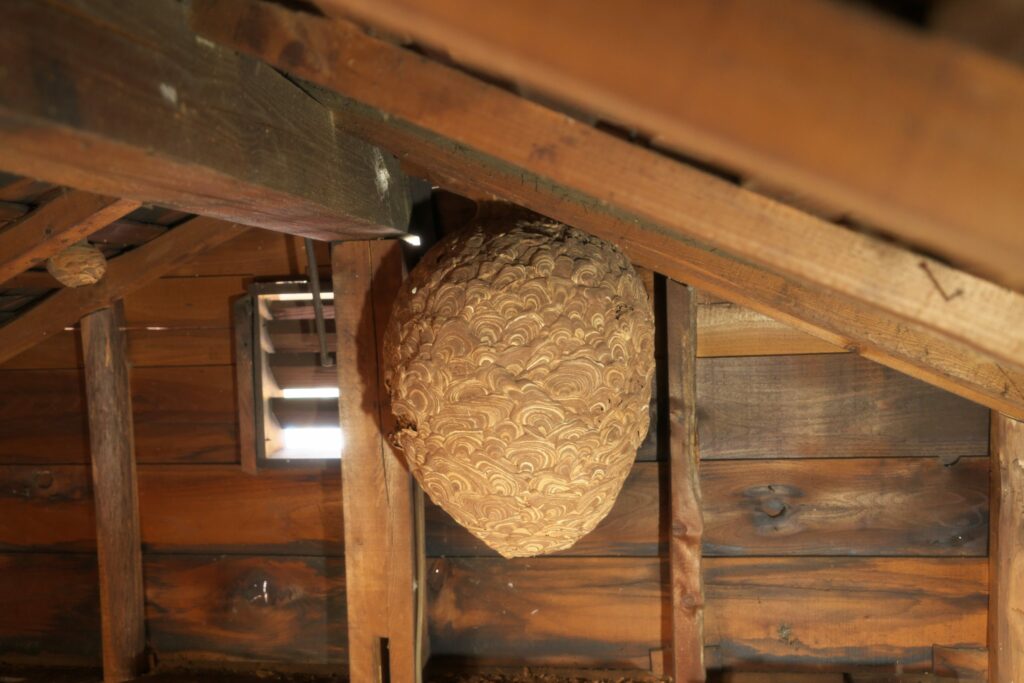
Wasp nest removal is an essential service that many homeowners in the UK may eventually require. Understanding the cost of this service and the factors influencing these costs can save you a significant amount of money and distress. This article delves deep into the costs associated with wasp nest removal in the UK and explores various related aspects that homeowners should consider.
Understanding Wasp Nest Removal
Wasps are ubiquitous during the warmer months. While many people appreciate their environmental role, a wasp nest situated too close to a home can become a source of anxiety. The sheer notion of wasps buzzing about can deter individuals from enjoying their gardens or spending time outdoors. Upon encountering a nest, the next logical step is to consider its removal. But what does that involve in terms of cost, and what other variables come into play?
Average Cost of Wasp Nest Removal
The average price for professional wasp nest removal in the UK typically ranges from £40 to £100. However, various factors can influence this cost, making it crucial for homeowners to do their research and understand the potential expenses involved.
Factors Influencing Cost
- Location: Geographic location plays a significant role in pricing. Urban areas often experience higher costs due to increased demand for pest control services, while rural areas may see reduced fees. Moreover, specific regions might have a tradition of higher living costs, impacting service fees.
- Size of the Nest: The size of the wasp nest directly relates to the complexity of the removal process. Larger nests may require more extensive treatment, hence incurring higher charges. An extensive colony indicates a more significant pest problem.
- Accessibility: The location of the nest can affect the overall price. Nests situated high in trees or other hard-to-reach areas might incur additional service fees due to the equipment and safety measures necessary for removal.
- Time of Year: The wasp season typically stretches from late spring through early autumn. During peak months, demand for removal services spikes. Consequently, homeowners may find prices are elevated during this time.
- Company Reputation: Well-established pest control companies may charge a premium for their comprehensive services. Nonetheless, investing in a reputable service might result in more thorough and efficient pest management.
DIY Removal vs. Professional Services
Homeowners often face the dilemma of whether to tackle wasp nest removal themselves or hire a professional. DIY removal can appear cost-effective, with the potential expense being reduced to equipment purchases, such as sprays and protective clothing. However, one must weigh the risks associated with disturbing a nest filled with aggressive wasps.
Undeniably, the safety of family members and pets should take precedence over financial considerations. Moreover, incorrect handling of a nest can lead to multiple stings, necessitating medical attention. Thus, while the allure of DIY may sway some, it is paramount to consider the ramifications.
What to Expect During Professional Removal
Engaging a professional pest control service involves several steps and outcomes that homeowners should be aware of. Upon contacting the service:
- Assessment: A technician will arrive at your location to assess the problem. They will examine the nest’s size and location, offer recommendations, and provide an estimate of the costs involved based on this evaluation.
- Treatment Plan: After evaluation, the pest control expert will outline a treatment plan. This may include the use of insecticidal sprays, dust, or other methods tailor-made for your specific situation.
- Execution: The technician will execute the removal, employing appropriate safety measures, such as protective clothing and equipment, to ensure their safety and that of your household.
- Follow-Up: In many cases, pest control companies offer a follow-up visit to assess the effectiveness of the removal and ensure no residual wasp activity remains.
Aftercare and Prevention
Post-removal, it’s vital for homeowners to consider further preventive measures to avert a resurgence of wasps. Some proactive steps include:
- Sealing Entrances: Ensure gaps in eaves, soffits, or other potential entry points for wasps are sealed to reduce nesting opportunities.
- Regular Inspection: Conduct periodic checks of your property for signs of new nests or wasp activity.
- Managing Attractants: Dispose of food scraps properly and keep waste bins sealed. Wasps are highly attracted to food sources.
Conclusion
Understanding the costs and processes surrounding wasp nest removal can empower homeowners to make informed decisions. While average costs may fluctuate based on location, size, and accessibility, the peace of mind from professional removal often justifies the expense. Taking proactive steps also serves as an invaluable tool in maintaining a harmonious living space free from unwelcome pests. With the knowledge gained from this article, homeowners can navigate the wasp removal landscape with confidence.
FAQ
How much does wasp nest removal typically cost in the UK?
The average cost for professional wasp nest removal in the UK ranges between £40 and £100, depending on factors such as location, nest size, and accessibility.
Is it safe to remove a wasp nest myself?
DIY removal can be risky due to aggressive wasps and potential stings. It is generally safer to hire a professional to ensure proper and safe removal.
When is the best time to remove a wasp nest?
Wasp season is from late spring to early autumn, with peak activity in summer. It’s best to remove nests early in the season before they grow larger.
What should I expect during a professional wasp nest removal?
A professional will assess the nest, provide a treatment plan, safely remove the nest using appropriate methods, and often offer a follow-up visit to ensure complete removal.
How can I prevent wasps from nesting around my home?
Preventive measures include sealing potential entry points, regular inspections, proper waste management, and removing food attractants.


Leave a Reply