Short Answer
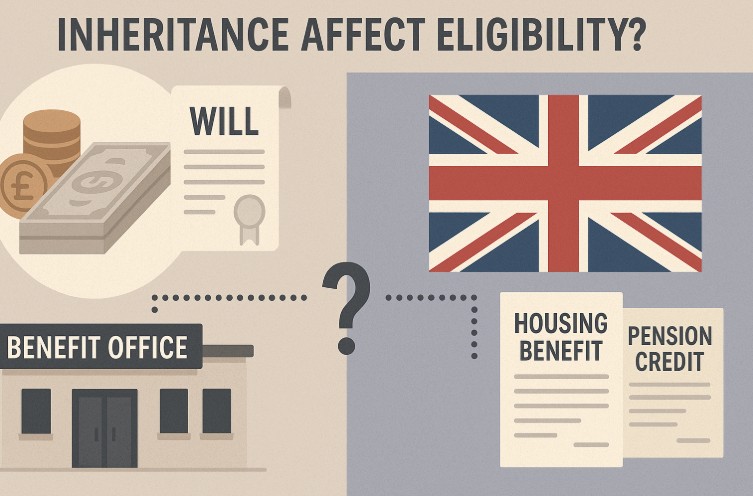
Inheriting wealth can be akin to receiving a double-edged sword; while it brings with it the promise of comfort and security, it can also inadvertently disrupt the delicate balance of benefits one may rely upon. In the UK, the interplay between inheritance and state benefits is fraught with complexities, demanding a strategic approach to safeguard one’s financial stability. This article delves into practical and legal strategies to mitigate the potential impact of inheritance on benefits, ensuring that the financial windfall doesn’t become a liability.
First, it is vital to understand the nature of the benefits system. Benefits, often a lifeline for individuals struggling with financial insecurity, are designed to provide assistance based on specific criteria, including income and savings thresholds. Inherited assets can tip these scales, potentially leading to a reduction or complete withdrawal of essential benefits. The key lies in navigating through the labyrinth of regulations with care and foresight.
1. Evaluate Your Current Financial Position
Before tackling the implications of inheritance, commence by undertaking a meticulous assessment of your current financial situation. Document all existing benefits you receive and catalogue your income sources. Understanding this foundational layer is instrumental. It allows you to predict how prospective inheritances could alter your financial landscape. Knowledge is your best ally in this intricate game of financial chess.
2. Seek Professional Financial Advice
Consulting a financial adviser or benefits specialist can illuminate pathways you may not have considered. These experts can provide tailored advice based on your unique circumstances, helping you comprehend the intricate regulations around benefits and inheritance. They serve as the navigator in the stormy seas of bureaucracy and are invaluable in carving out strategies that align with your long-term financial stability.
3. Consider Timing and Structure of Inheritance
Timing can be pivotal. Staggering the receipt of an inheritance—whether through trusts or similar instruments—can perpetuate entitlement to benefits. For instance, an inheritance that is placed in a discretionary trust may not be counted as an asset, preserving your eligibility for certain benefits. This umbrella strategy safeguards your financial wellness by piecing together a mosaic of assets that don’t clump together to disqualify you from assistance.
4. Utilize Legal Trusts Wisely
Establishing a trust can be a prudent choice for managing inheritance plans. Trusts can be specifically designed to shield inherited assets from being counted as part of your capital. A well-structured inheritance trust can ensure that the money remains out of your reach while simultaneously benefiting you—creating a safety net that also acts as an investment into your long-term security. However, it is essential to work with a solicitor who has experience in trust law to make sure the trust is formulated correctly and complies with the law.
5. Explore Personal Loan Options
Another unique approach is to consider that inheritance can serve as collateral for loans rather than direct capital. Banks and financial institutions may view future inheritances as a source of repayment capacity, potentially allowing you to secure a personal loan. This method can give you immediate access to funds without derailing your benefits. However, this juggernaut must be navigated with caution to avoid falling into a debt trap.
6. Understanding Disregarded Capital
In the UK, certain types of capital are disregarded when assessing your eligibility for benefits. For instance, the property you live in or a trust fund that you cannot access directly may not be considered. Familiarising yourself with these nuances can open doors to retaining your benefits whilst still making the most of your inheritance. Do meticulous research or consult professionals to ascertain which assets are disregarded and plan accordingly.
7. Stay Informed on Policy Changes
The UK benefits landscape is not static; it shifts with changes in government policies. Staying abreast of these changes is paramount. Proactive individuals who keep their fingers on the pulse of legislative updates are better positioned to act swiftly should their circumstances shift unexpectedly. Forums, newsletters, and dedicated online resources can be compasses guiding you through the shifting sands of benefits law.
8. Maintain Transparency
Being open and honest regarding your financial standing with the authorities is crucial. Failing to disclose an inheritance may lead to repercussions that far outweigh the temporary benefits of concealment. As the saying goes, integrity ensures longevity. A transparent dialogue can foster a cooperative relationship with benefit agencies, paving the way for easier reassessment should your circumstances change.
9. Consider Long-term Financial Planning
Ultimately, the solution to avoiding the pitfalls of inheritance affecting benefits lies in comprehensive financial planning. Engraining a culture of long-term planning can unveil tactics and strategies to utilise your inheritance in a way that enhances rather than jeopardises your financial standing. This may include investments that offer growth while staying under the radar of benefits assessments.
Conclusion
In sum, while inheriting wealth can occasionally feel like standing on a precipice, armed with the right knowledge and strategies, one can navigate these treacherous waters with confidence. Thorough evaluation of financial positions, professional guidance, strategic inheritance planning, and an unwavering commitment to transparency can all serve to ensure that your newfound wealth elevates rather than erodes your quality of life. The goal, as always, is balance—securing an inheritance while preserving the benefits that act as a financial lifebuoy in life’s turbulent waters.
FAQ
How can inheritance affect state benefits in the UK?
Inheritance can increase your financial assets, potentially leading to a reduction or withdrawal of state benefits.
What is a discretionary trust?
A discretionary trust is a legal arrangement where the trustee has the discretion to decide how the trust’s assets are distributed to beneficiaries, which may help in preserving benefits.
Why is professional advice important when dealing with inheritance?
Professional advice can provide tailored strategies to navigate the complex regulations surrounding inheritance and benefits.
FAQ
How can inheritance affect state benefits in the UK?
Inheritance can increase your financial assets, potentially leading to a reduction or withdrawal of state benefits.
What is a discretionary trust?
A discretionary trust is a legal arrangement where the trustee has the discretion to decide how the trust’s assets are distributed to beneficiaries, which may help in preserving benefits.
Why is professional advice important when dealing with inheritance?
Professional advice can provide tailored strategies to navigate the complex regulations surrounding inheritance and benefits.


Leave a Reply