Short Answer
When embarking on a construction project, have you ever pondered how the design and build procurement method could revolutionise your approach? The amalgamation of design and construction into a singular cohesive process is not merely a trend; it’s a genuine evolution in project execution that promises not only efficiency but also epic results. However, with such innovative methodologies come potential challenges that could perturb even the most seasoned project manager. Let’s delve into the intricacies of design and build procurement, exploring its merits, pitfalls, and the strategies to harness its full potential.
Understanding the Design and Build Paradigm
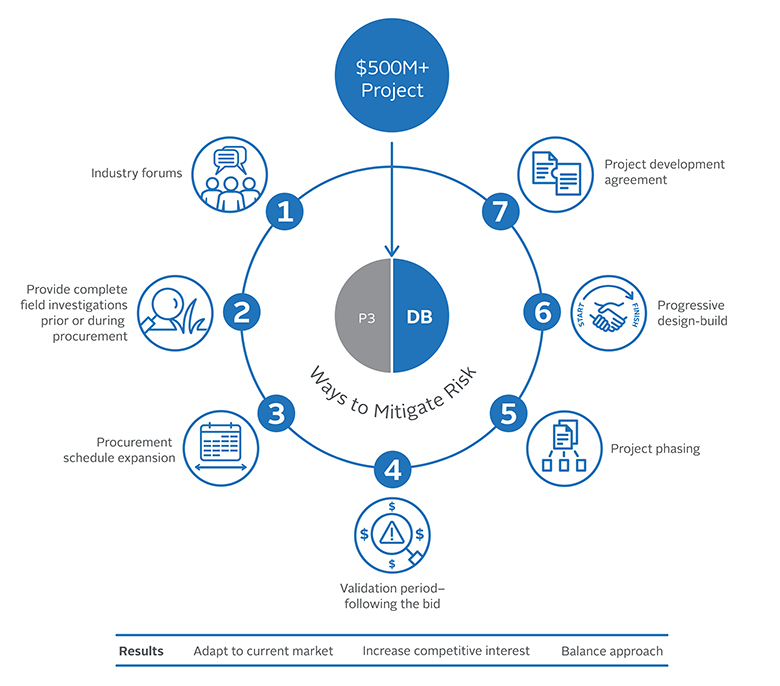
At its core, the design and build procurement method encapsulates a streamlined approach whereby a single entity is responsible for both design and construction. This seamless integration is aimed at fostering collaboration and mitigating risks that are often associated with disjointed contracts. By consolidating responsibilities, the process allows for faster decision-making and enhances communication between stakeholders.
The question remains, however: *how can one ensure that this cohesion translates into tangible benefits?* Achieving the precursory alignment between design and construction requires meticulous planning and an astute understanding of project lifecycles. Herein lies the primary challenge: establishing a unified vision that encompasses the aspirations of the client while adhering to regulatory and practical constraints.
The Advantages of Design and Build Procurement
One of the most compelling aspects of adopting the design and build procurement model is the potential for expedited project timelines. Since the designer and builder operate as one, there is a reduction in the traditional delays associated with contractual negotiations. Clients can enjoy quicker mobilisation and earlier completion, which translates to financial gains and efficient resource utilisation.
Moreover, this model empowers project teams to optimise costs from the very onset. Early-stage cost estimations are more reliable when designers and builders collaborate closely. They can identify potential conflicts and cost overruns before they escalate into serious issues, thus preserving the project’s financial integrity.
Additionally, having a singular point of accountability brings clarity to the client’s role. In instances of disputes or misunderstandings, the process is significantly simplified. Clients can directly liaise with one entity, thereby reducing the customary bureaucratic convolution often found with multiple contractors and consultants. This streamlined accountability fosters a more transparent environment where trust can flourish.
Navigating Potential Challenges
While the benefits are enticing, there are challenges inherent to the design and build procurement method that cannot be overlooked. The very integration that promotes efficiency also risks stifling creative freedom. Selecting a contractor who is also tasked with the design may lead to a more formulaic approach, wherein innovative architectural solutions are overshadowed by operational efficiencies. This highlights the importance of selecting a construction partner with a robust design portfolio and an appreciation for creativity.
Another challenge is the potential for diminished client engagement in the design phase. The convenience of a one-stop-shop model can inadvertently breed complacency. Clients might relinquish their active role in the design process, leading to outcomes that do not fully align with their vision. It is critical, therefore, for clients to remain engaged, advocating for their objectives while working alongside the design and build team.
Key Considerations for Success
To maximise the advantages and mitigate the challenges of design and build procurement, certain considerations should be at the forefront of project planning:
- Thorough Vendor Selection: The importance of choosing the right design and build partner cannot be overstated. Look for a firm that boasts both a robust portfolio and a collaborative ethos. Evaluate past projects to gauge their ability to balance creativity with the pragmatics of construction.
- Client Involvement: Establish a framework for continuous client engagement throughout the design and build process. Regular check-ins and feedback loops are crucial to ensure that the evolving designs remain aligned with the original vision.
- Clear Communication: Foster an environment where open dialogue is encouraged. Clear communication channels between all parties involved in the project will ensure that issues are addressed promptly, maintaining momentum and cohesion.
- Define Scope and Objectives: At the outset, clearly define the project scope, budget constraints, and timelines. This clarity will serve as a north star, guiding all decisions and ensuring that everyone remains aligned with the same objectives.
Conclusion: Embracing the Future of Construction
The design and build procurement method represents a significant shift in the construction landscape, offering myriad opportunities for improved efficiency, cost-effectiveness, and client satisfaction. By proactively addressing the inherent challenges and adhering to best practices, stakeholders can navigate this innovative paradigm with confidence. The construction industry is evolving, and those who embrace these changes with a strategic mindset will position themselves to not merely survive, but to thrive in a competitive marketplace. Are you ready to embark on this transformative journey? The future of construction awaits with open arms.
FAQ
What is design and build procurement?
Design and build procurement is a project delivery method where one entity is responsible for both the design and construction phases, fostering collaboration and streamlining processes.
What are the advantages of using design and build procurement?
Advantages include reduced project timelines, cost savings through early collaboration, and simplified accountability for clients.
What challenges might arise with design and build procurement?
Challenges include potential limitations on creative design, risk of complacency from clients, and the need for careful vendor selection.
How can project teams ensure success with design and build procurement?
Success requires thorough vendor vetting, maintaining client involvement, clear communication, and defining scope and objectives early.


Leave a Reply