Short Answer
Flossing is an integral component of oral hygiene, lauded for its ability to remove plaque and food particles from between the teeth. However, it’s not uncommon for individuals to experience discomfort or pain after flossing. This phenomenon, while often perceived as a minor inconvenience, can provoke deeper concerns regarding one’s dental health. In this article, we will delve into the possible causes of this discomfort, remedial measures you can take, and crucial indicators that suggest it may be time to consult a dentist.
Understanding the Anatomy of Discomfort
To better appreciate why your teeth may hurt after flossing, it is essential to understand the surrounding anatomy. The gums, which are the soft tissues that envelop the base of your teeth, can be particularly sensitive. Flossing involves sliding a thin piece of string between these hard surfaces, which can irritate or even damage the delicate tissues if not done gently. While occasional discomfort may not be alarming, persistent pain is a different matter altogether.
Common Causes of Pain After Flossing
Several factors can contribute to the discomfort felt after flossing. Understanding each cause can empower you to take appropriate action.
- Gum Disease: One of the primary culprits behind post-floss discomfort is gum disease, or gingivitis. When plaque accumulates along the gum line, it can result in inflammation, bleeding, and tenderness. This condition often manifests as pain when flossing. If you notice consistent bleeding, it may be an indication that gum disease is present.
- Improper Flossing Technique: The way you floss plays a significant role in your oral health. Many individuals exert too much force or use improper techniques, such as snapping the floss between the teeth or going too aggressively. Such actions may cause trauma to the gums and lead to discomfort. Hence, an approach that combines gentleness with thoroughness is imperative.
- Underlying Dental Issues: Cavities, cracks, or other hidden dental concerns could also be responsible for the pain experienced during or after flossing. If your teeth are compromised, the added pressure from flossing can exacerbate existing problems, leading to noticeable sharp pain or a dull ache.
- Recent Dental Work: If you have recently undergone dental treatments, such as fillings or cleanings, your gums may be sensitive as they heal. Flossing too soon after such procedures can provoke discomfort and even pain.
- New Flossing Habits: For those who are new to flossing or are re-establishing the habit after a period of neglect, initial discomfort is common. The gums may not be accustomed to the stimulation that flossing provides, leading to temporary pain that should diminish with consistent practice.
How to Alleviate Flossing Discomfort
Understanding the underlying causes is only half the battle; knowing how to address them is equally important. Here are several strategies to alleviate discomfort following flossing:
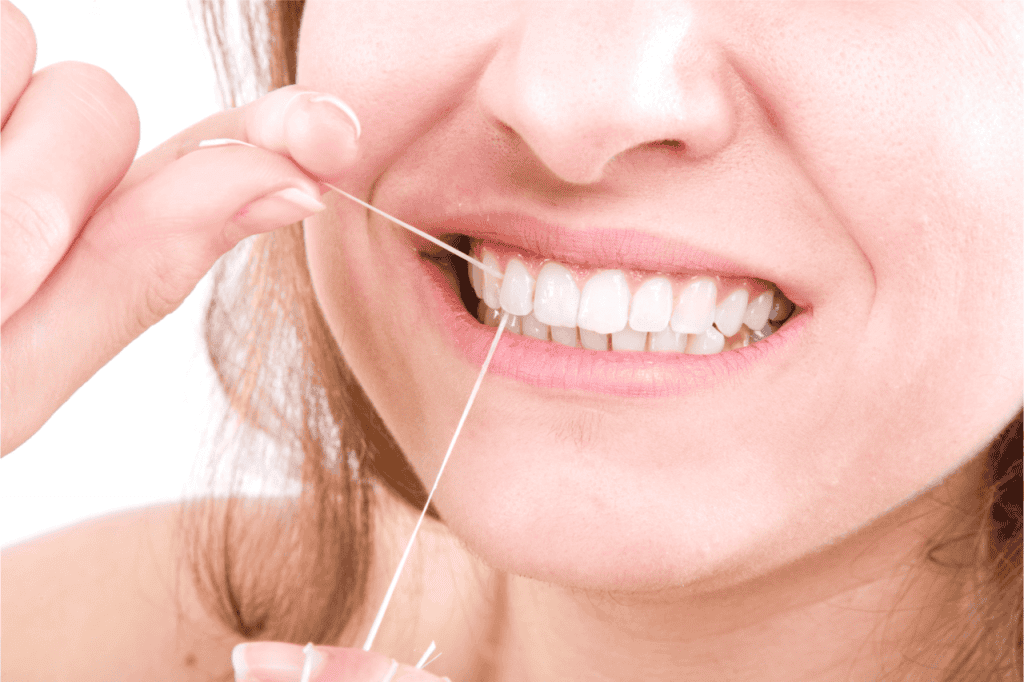
- Use the Correct Technique: Hold the floss tightly between your thumbs and index fingers, gently curving it around each tooth in a C-shape. Slide the floss up and down against the tooth surface, avoiding forceful movements. This can significantly reduce gum irritation.
- Opt for Waxed Floss: Waxed dental floss may slide more comfortably between closely spaced teeth, reducing friction and helping to prevent gum irritation. Consider this option if you’ve experienced discomfort with unwaxed varieties.
- Rinse with Antiseptic Mouthwash: After flossing, use a non-alcoholic antiseptic mouthwash to cleanse your mouth and reduce inflammation. Ingredients such as chlorhexidine can help to soothe tender gums and combat bacteria.
- Apply a Warm Compress: If you experience lingering pain, consider applying a warm compress to the affected area. The heat can promote blood flow and help alleviate discomfort.
- Be Consistent: Regular flossing can strengthen your gums over time, making them less sensitive. Adopting a consistent routine is beneficial for long-term oral health.
When to Seek Professional Advice
While minor discomfort is often manageable at home, some symptoms warrant professional attention. Seek the guidance of a dentist if you encounter any of the following:
- Persistent Pain: If discomfort continues for several days and does not improve with improved flossing techniques, it may signify a more serious issue that requires dental intervention.
- Bleeding Gums: Regular bleeding during flossing can indicate gum disease or other dental conditions. A professional cleaning may be necessary to address plaque buildup.
- Swelling or Redness: Inflammation in the gums, particularly if it extends beyond the point of flossing, should be evaluated by a dental professional.
- Severe Sensitivity: Extreme sensitivity or pain in your teeth during flossing can indicate underlying dental health issues that necessitate professional assessment.
Experiencing pain after flossing is indeed a common observation, yet it should not go unexamined. By identifying the causes and employing appropriate solutions, individuals can enhance their oral hygiene routines and maintain optimal dental health. Remember, while occasional discomfort may be normal, persistent symptoms often require professional evaluation to ensure your smile remains both healthy and radiant.
FAQ
Why do my teeth hurt after flossing?
Pain after flossing can result from gum irritation, improper flossing technique, gum disease, underlying dental problems like cavities, recent dental work, or starting new flossing routines.
How can I floss without causing pain?
Use gentle, correct flossing technique by curving the floss around each tooth in a C-shape, avoid snapping the floss, and consider waxed floss to reduce friction.
Is it normal for gums to bleed when flossing?
Occasional bleeding may occur if gums are sensitive or if you are new to flossing, but frequent bleeding can indicate gum disease and should be evaluated by a dentist.
When should I consult a dentist about flossing pain?
If pain persists for several days, if you experience regular bleeding, swelling, redness, or severe tooth sensitivity, you should seek professional dental advice.


Leave a Reply