Short Answer
Clearing drains is a task that many homeowners face, often leading to frustration and the search for effective solutions. Among the myriad of options available, caustic soda—also known as sodium hydroxide—has emerged as a popular choice. However, the efficacy of this potent chemical as a DIY drain cleaner prompts a crucial question: is it a miraculous remedy or a perilous miscalculation? This article delves into various dimensions of using caustic soda for clearing drains, elucidating its advantages and disadvantages, as well as practical considerations to ensure safety.
Understanding Caustic Soda
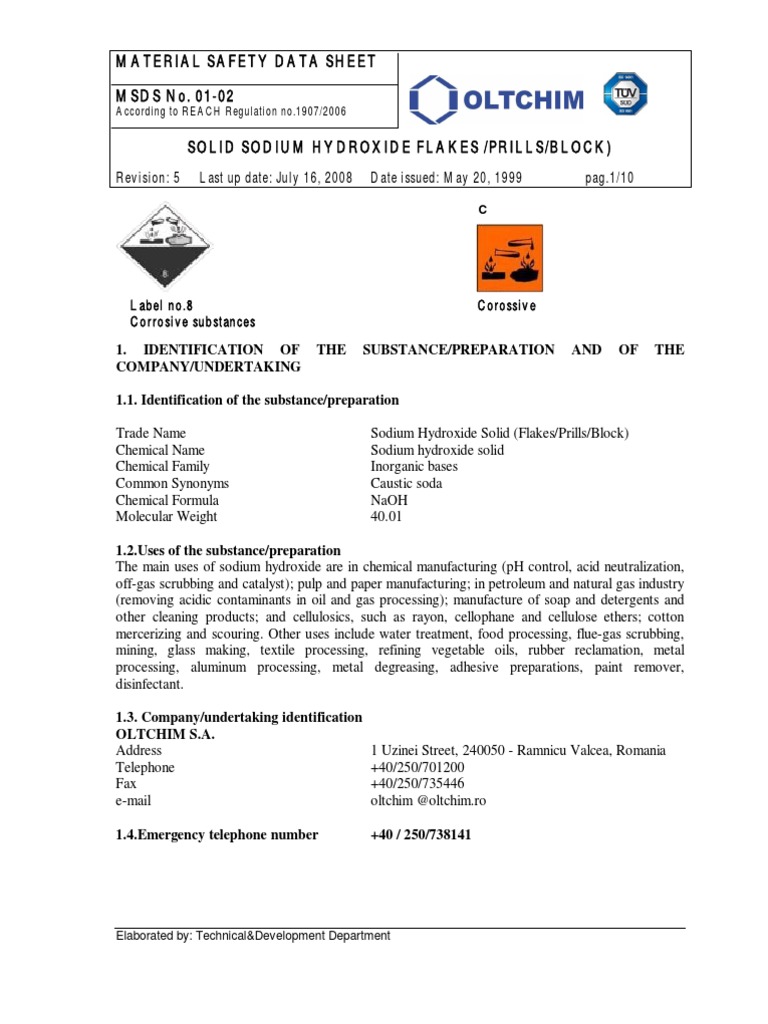
To appreciate the capabilities of caustic soda in drain cleaning, it is important to comprehend its chemical properties. Caustic soda is a highly alkaline substance, effective in breaking down organic matter. Its applications range from industrial uses to household cleaning products. Unknowingly, many homeowners may already have caustic soda in their cleaning arsenal, often in the form of commercially available drain cleaners.
The Mechanism of Action
When introduced to a clogged drain, caustic soda reacts vigorously with water to create heat and sodium ions, which can break down grease and organic debris. This exothermic reaction is what gives caustic soda its teeth when addressing clogs. In layman’s terms, it can dissolve the very substances that plague your pipes, such as hair, soap scum, and food debris. However, this power comes with caveats, necessitating careful handling and respect for its potential hazards.
Advantages of Using Caustic Soda
- Effectiveness: For many households, caustic soda proves to be an exceptionally effective unclogging agent, often achieving results in mere minutes when used appropriately.
- Accessibility: Available at most hardware stores and online retailers, caustic soda is not only easily obtainable but typically more affordable than professional plumbing services.
- Speed: Individuals seeking immediate relief from a clogged sink or tub will appreciate the rapid action of caustic soda, which can save time and frustration.
Disadvantages and Risks
While the benefits of caustic soda are enticing, potential risks cannot be dismissed lightly. The severity of these concerns warrants thoughtful consideration before embarking on a DIY drain cleaning mission.
- Corrosiveness: Caustic soda is highly corrosive; improper use can lead to damage, not only to pipes but also to skin, eyes, and respiratory systems. Protective measures are imperative.
- Fumes and Allergens: The chemical reaction can release potentially harmful fumes. Proper ventilation is crucial to avoid respiratory irritation, especially for those sensitive to airborne chemicals.
- Environmental Concerns: The environmental footprint of caustic soda cannot be ignored. Disposing of leftover product can pose ecological risks if improperly handled.
How to Use Caustic Soda Safely
For those who choose to embrace the DIY approach with caustic soda, adhering to safety protocols is essential. Here are steps that will foster a safer experience:
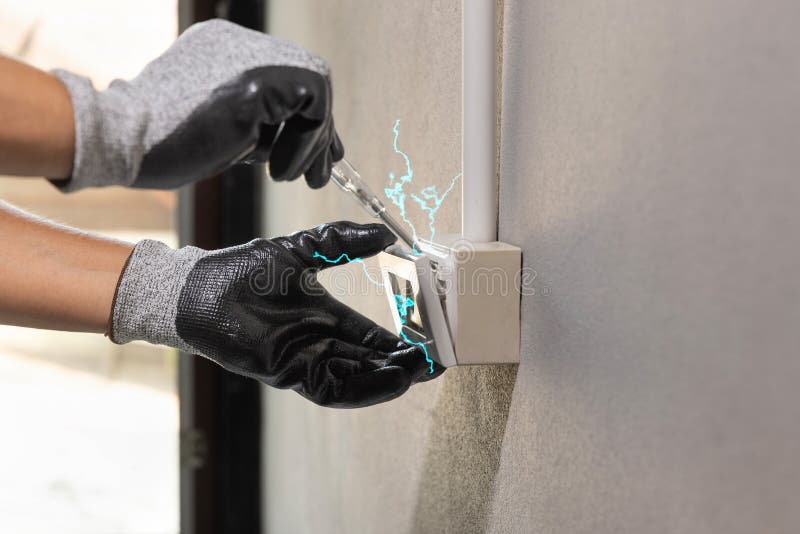
- Gather Protective Gear: Equip yourself with gloves, goggles, and a protective mask to guard against chemical exposure.
- Ensure Ventilation: Open windows or use exhaust fans to minimize fume accumulation in the area.
- Prepare the Area: Clear away any items that could be affected by spills or splashes.
- Dilution is Key: Always add caustic soda to water, never the other way round, to prevent violent reactions. A common ratio is 1 cup of caustic soda to 2 cups of water.
- Follow with Flush: After applying the solution, allow it to work for 20-30 minutes, then flush with hot water to facilitate the removal of debris.
Alternatives to Caustic Soda
For those wary of using caustic soda, alternative unclogging methods exist. Options include:
- Baking Soda and Vinegar: This natural concoction creates a fizzy reaction that can help dislodge minor clogs. Add a cup of baking soda followed by a cup of vinegar and cover the drain. Flush with hot water after 30 minutes.
- Plumbing Snake: A more mechanical approach involves the use of a plumbing snake or auger, which can penetrate clogs without the need for harsh chemicals.
- Professional Services: For persistent issues, engaging a licensed plumber may be the safest and most effective option.
Conclusion
The allure of using caustic soda for drain cleaning is undeniable, particularly given its efficiency. Nonetheless, the associated risks require due diligence. Homeowners should balance the benefits against the potential dangers, opting for alternative cleaning methods if comfort levels are low. Whether you opt for caustic soda or another strategy, understanding your options is pivotal in achieving a smoothly flowing household plumbing system. Always prioritise safety, and when in doubt, consult with professionals to protect your home and health.
FAQ
What is caustic soda?
Caustic soda, or sodium hydroxide, is a highly alkaline chemical used to dissolve organic materials and unclog drains.
How should I safely use caustic soda for drain cleaning?
Always wear protective gear, ensure good ventilation, add caustic soda to water slowly, avoid mixing with other chemicals, and flush with hot water after use.
Are there safer alternatives to caustic soda for clearing drains?
Yes, options include natural remedies like baking soda and vinegar, mechanical tools like plumbing snakes, or hiring a professional plumber.


Leave a Reply