Short Answer
Rust is often the unwelcome guest that arrives uninvited, gnawing away at the structural integrity of metal appliances, including microwave ovens. Just as one would feel a twinge of unease at the sight of a decayed fig on an otherwise sweet platter, spotting rust within the confines of your trusty microwave can evoke apprehension. This prevalent concern raises a pivotal question: Is a rust-strewn microwave a ticking time bomb of danger, or merely a cosmetic flaw? This exploration delves into the mysteries of rust, its potential perils, and the remedies that can restore your microwave’s pride.
Understanding the phenomenon of rust is akin to unwrapping layers of an onion, revealing a complex interplay between moisture, oxygen, and metal. Rust, or iron oxide, occurs when iron reacts with oxygen and water. In the moist environment of a kitchen, where vapours from boiling liquids mingle with food particles, the likelihood of rust formation increases dramatically. Microwave ovens, particularly those with discreet metal interiors, become susceptible to this oxidative process.
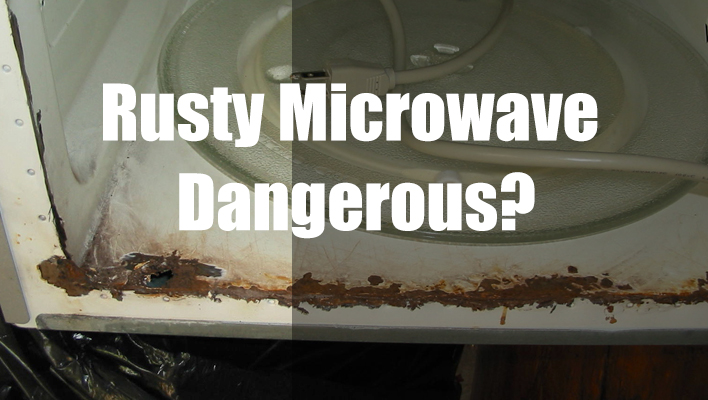
As with many things in life, moderation is key. A small patch of rust may evoke little concern; however, observing a more extensive spread can be worrisome. Rust does not simply mar the aesthetic appeal of your microwave; it can compromise its performance and safety. A microwave with significant rust may hinder the even distribution of microwave radiation. This can lead to uneven cooking, and more alarmingly, potential leakage of radiation beyond the appliance’s confines.
Moreover, a rusted cavity can become a breeding ground for bacteria and pathogens. The dampness and the corrosion create an ideal environment for microbial growth. This poses a serious threat to food safety, especially in a device meant for heating and cooking meals. The last thing one wants is to unwittingly nourish oneself and loved ones with food contaminated by rogue bacteria flourishing in the depths of rust.
Once the evidence of rust has been identified, it’s imperative to act swiftly. Picture rust as a stubborn stain on a pristine white shirt; the longer you let it linger, the harder it becomes to erase. First, unplug the microwave—safety is paramount. Then, examine the extent of the rust. If it is minor and superficial, you may be able to restore your microwave to its former glory with relative ease.
For minor rust spots, a simple mixture of baking soda and water can serve as an effective remedy. This paste-like concoction, when applied to the affected area, acts as a gentle abrasive, dislodging the rust without damaging the underlying metal. After scrubbing the area with a soft cloth, rinse it with water and dry thoroughly. It’s crucial to eliminate all moisture, as lingering dampness can instigate a resurgence of rust.
However, if the rust has entrenched itself deeper—winding its tendrils into the microwave’s very essence, as a persistent vine wraps around a once-majestic oak—it may require a more assertive approach. In such instances, consider using sandpaper or a wire brush to remove the rust, followed by priming the exposed metal with food-safe paint. Remember, while cosmetic repairs can delay the inevitable, they do not replace a faulty appliance. If rust has compromised the metal structure or the microwave’s performance, it might be time to contemplate replacing the unit altogether.
Regular maintenance serves as the guardian against the onslaught of rust. Just as one tends to a garden, nurturing it against invasive weeds, so too must you care for your microwave. Keep it clean and dry, ensuring that food splatters are wiped away and any spills are swiftly eliminated. Making a habit of leaving the microwave door ajar after use allows moisture to escape, thwarting rust’s ambitions to take hold.
For those who inadvertently neglect these simple routines, it is essential to be vigilant. Any signs of wear, such as inconsistencies in heating or unusual noises, warrant a thorough inspection. Regular assessments are akin to performing check-ups on a valued companion—better to identify issues before they burgeon into significant problems.
In conclusion, while the presence of rust in a microwave is certainly a concern, it is not an insurmountable challenge. With appropriate measures, both preventative and restorative, one can alleviate the risks associated with rust. Maintaining awareness and acting decisively will safeguard both the safety of your food and the longevity of your appliance. So, remain vigilant in your culinary sanctum; keep rust at bay and ensure that your microwave continues to be a radiant beacon of convenience in your kitchen landscape.
FAQ
Is rust in a microwave dangerous?
Yes, rust can compromise the microwave’s performance and create a breeding ground for bacteria, posing a safety risk.
How can I remove rust from my microwave?
For minor rust spots, use a mixture of baking soda and water. For more severe rust, sandpaper or a wire brush may be needed.
FAQ
Is rust in a microwave dangerous?
Yes, rust can compromise the microwave’s performance and create a breeding ground for bacteria, posing a safety risk.
How can I remove rust from my microwave?
For minor rust spots, use a mixture of baking soda and water. For more severe rust, sandpaper or a wire brush may be needed.


Leave a Reply