Short Answer
Hosting an at-home wine tasting event is an exquisite way to indulge in the wonderful world of wines while creating memorable experiences for friends and family. Not only does it provide a platform for socialising, but it also offers an educational opportunity to explore the intricate nuances of various vintages. This guide delves into hosting tips, essential glassware, and delectable food pairings to elevate your wine tasting soirée.
Setting the Scene for Your Wine Tasting
The first step in organising a memorable wine tasting is to establish a suitable atmosphere. Choose a convenient date and time, ideally during the evening when your guests can fully immerse themselves in the experience. Select a comfortable location, whether it be indoors in a dining room or alfresco on a patio, ensuring ample seating that encourages conversation. Adjust the lighting to be warm and inviting, possibly with the use of candles or soft lamps to create an intimate setting. Background music, preferably something soft and instrumental, can enhance the experience without being overly distracting.
Curating Your Wine Selection
When it comes to curating your wine selection, diversity is key. Aim for a mix of varietals from different regions, including both reds and whites, alongside perhaps a sparkling wine or rosé. Having three to five different wines allows for a comprehensive tasting session without overwhelming your guests. Consider selecting wines with varying profiles—perhaps a robust Cabernet Sauvignon, a crisp Sauvignon Blanc, and a silky Pinot Noir. You may also explore introducing lesser-known varietals or organic options to pique interest.
The Importance of Glassware
The glassware you choose plays a crucial role in the wine tasting experience. Each type of wine benefits from a designated glass, as the shape can enhance the aromas and overall tasting notes. For instance, a Cabernet Sauvignon is best served in a large-bowled glass that allows for aeration, whereas a white wine like a Chardonnay should be enjoyed in a narrower glass to preserve its crispness. Consider investing in good-quality, stemmed glasses, which not only add an air of sophistication but also prevent the heat from your hand affecting the wine’s temperature.
How to Serve and Taste Wine
As you prepare to serve, ensure that your wines are at the optimal temperatures—whites between 7-10°C, reds typically between 14-18°C. Pour approximately a third of the glass for tasting, allowing enough space for aeration and swirling. Discuss the importance of tasting techniques; encourage guests to first observe the wine’s colour and viscosity, then inhale its bouquet before taking an appreciative sip. The key is to savour the experience, noting the complexities of each flavour and the subtle echoes of tannins or acidity.
Your Ideal Food Pairings
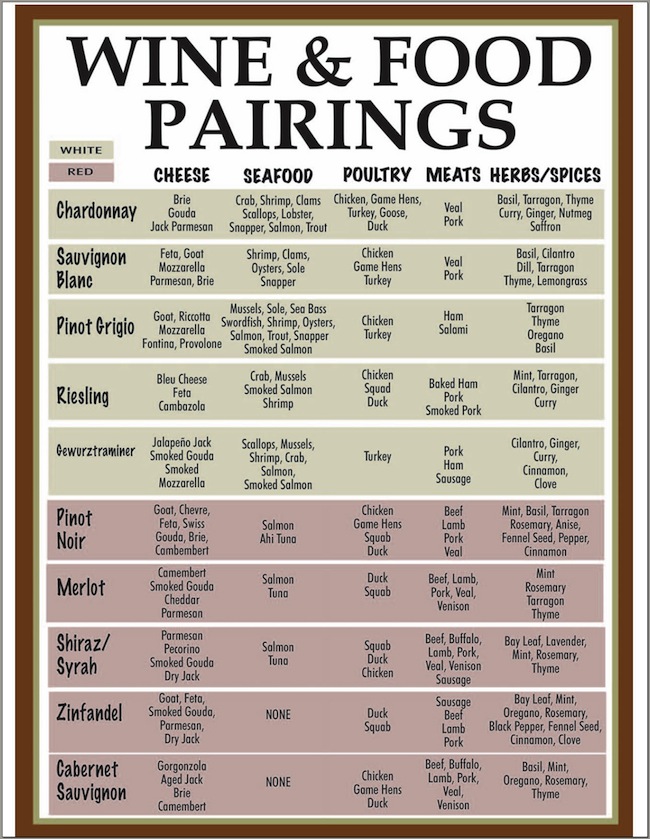
Food pairings can enhance the enjoyment of wine significantly, creating a harmonious balance between flavour and fragrance. Consider serving an array of small bites and nibbles to complement your wine selection without overwhelming the palate. Here is a curated list of food pairings that can enhance each type of wine:
- Cabernet Sauvignon: A rich, full-bodied red, the robust flavours of Cabernet pair beautifully with aged cheeses, charcoal-grilled meats, and dark chocolate desserts. Roasted mushrooms with garlic and rosemary also add an earthy element that harmonises well.
- Sauvignon Blanc: This fresher varietal complements lighter fare, such as citrus-infused seafood dishes, caprese salad, or goat cheese. An assortment of fresh vegetables with a zesty dip can also serve as delightful accompaniments.
- Pinot Noir: Known for its subtlety and complexity, Pinot Noir pairs well with dishes like duck, game hen, or mushroom risotto. Try earthy root vegetables roasted with thyme for an added dimension.
- Rosé: A versatile wine, Rosé suits numerous cuisines. Pair with Mediterranean platters featuring olives, hummus, and grilled vegetables or spicy Asian dishes, enhancing the fruity notes of the wine.
- Sparkling Wine: Ideal with salty snacks, sparkling wine complements canapés such as smoked salmon or tempura shrimp, balancing rich flavours with its effervescence.
Engaging Your Guests
Interactive elements can significantly enrich the wine tasting experience. Encourage each guest to take notes on their thoughts regarding aroma, taste, and personal preferences for each wine. You might also incorporate a mini quiz about the wines served, rewarding correct answers with small prizes. This playful competition can foster a lively atmosphere while also encouraging friendly discussions about personal tastes and experiences.
Concluding Your Evening
As the evening draws to a close, allow time for guests to share their favourite wines and food pairings. This feedback can be insightful, providing thoughtful impressions that often lead to further exploration of personal preferences in the wine realm. If desired, provide a small token of appreciation for attendees, perhaps a mini bottle of one of the wines tasted or a recipe card featuring your favourite food pairings. This gesture will leave a lasting impression, inviting them to recall the evening fondly.
Hosting an at-home wine tasting can be a truly enriching experience for both hosts and guests alike. With careful planning, a diverse wine selection, appropriate glassware, complementary food pairings, and engaging interactions, your wine tasting soirée is bound to be a resounding success. Raise your glasses to a convivial exploration of flavours and fellowship!
FAQ
What types of wines should I include in a tasting?
Aim for a mix of varietals from different regions, including both reds and whites, and consider including a sparkling wine or rosé.
How should I serve the wine?
Serve white wines chilled and red wines at room temperature, pouring about a third of the glass to allow for aeration.


Leave a Reply