
Short Answer
The role of an executor in the distribution of an estate is a pivotal one, often steeped in responsibility and complexity. The duties of an executor encompass managing the decedent’s assets, settling debts, and ultimately distributing the estate to the beneficiaries. Yet, one pertinent question lingers in the minds of many: what are the time limits for an executor to effectively carry out these obligations? Understanding the time frame for estate distribution in the UK is essential for both executors and beneficiaries alike, as it can significantly impact the financial and emotional wellbeing of all parties involved.
At the outset, it is crucial to note that there is no universally fixed duration for an executor to complete the estate distribution in the UK. The timeframe can vary for a multitude of reasons. However, there are legal and practical considerations that can help navigate this intricate process.
First and foremost, it is essential to grasp that executors are bound by statutory obligations. The Administration of Estates Act 1925 plays a critical role here, outlining the executor’s duties and responsibilities. While it does not specify an explicit timeframe for distributing the estate, it implies a duty of diligence, signifying that executors should act promptly and without undue delay.
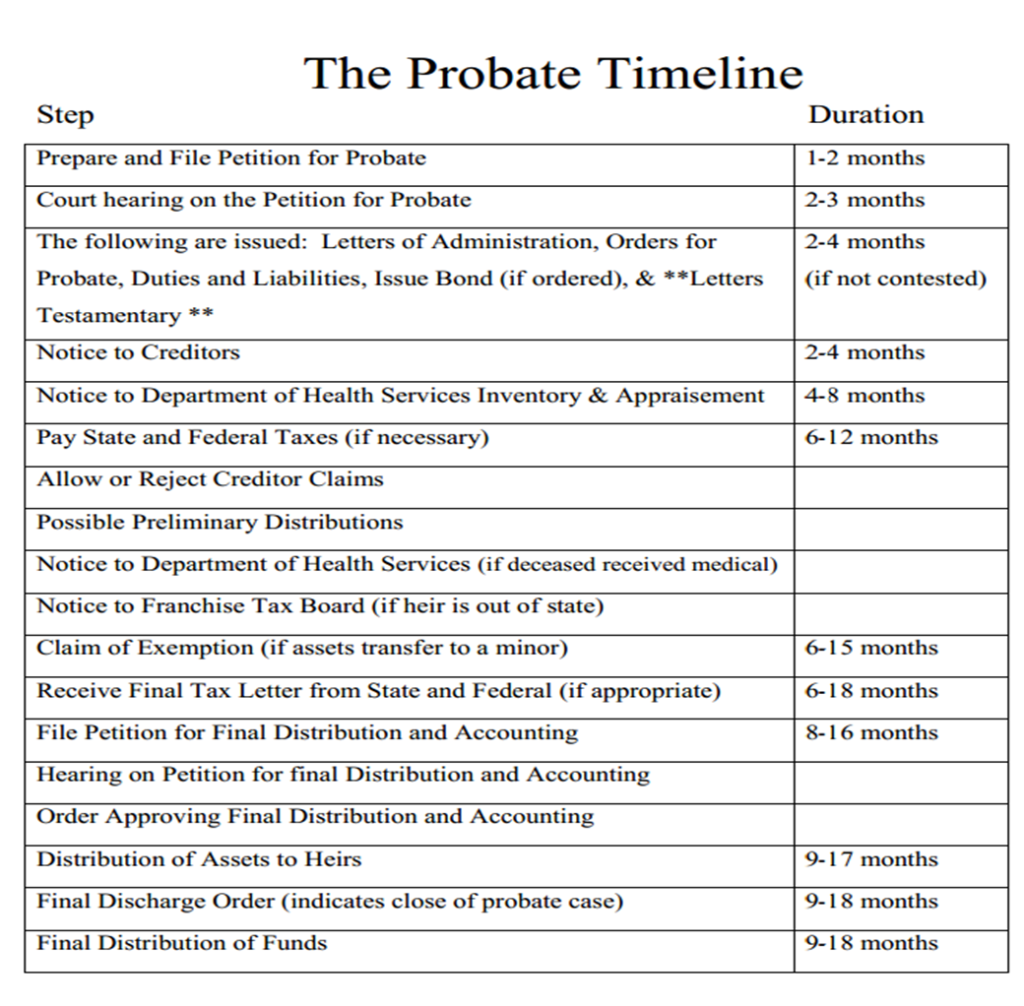
On average, executors are expected to distribute the estate within six to twelve months from the date of death. This timeframe takes into account various factors, including the complexity of the estate, the need for Liquidation and Sale of assets, and the settlement of any debts or liabilities. Nevertheless, circumstances can arise that necessitate extensions beyond this initial estimate.
One common factor contributing to potential delays in estate administration is the necessity of obtaining a Grant of Probate. This legal document, which serves as confirmation of the executor’s authority to act, can be a time-consuming process, often taking several months depending on the discretion of the Probate Registry. Such delays, while sometimes frustrating, are an inherent part of the legal system designed to ensure all aspects of the estate are accurately assessed and managed.
Furthermore, the nature of the assets within the estate can significantly influence the duration of the distribution process. For instance, if the estate includes complex investments, property, or trusts, additional time may be needed to effectively manage and liquidate these assets. Tax implications also come into play, with Inheritance Tax potentially requiring clearance before assets can be distributed. Executors must ensure that all tax liabilities are resolved prior to proceeding with distributions to beneficiaries.
Moreover, disputes between beneficiaries can dramatically elongate the distribution timeline. Challenges related to the validity of the will, disagreements over asset valuation, or contestations regarding the executor’s decisions often necessitate legal intervention, further prolonging the settlement process. Executors should be prepared for the possibility of navigating these murky waters, as unresolved disputes can thwart progress and complicate initial timelines.
In addition to legal and financial aspects, emotional factors also play a significant role in the administration of an estate. Open communication among beneficiaries can foster a smoother distribution process, helping to mitigate tensions and misunderstandings. Executors are strongly advised to maintain transparency, updating beneficiaries on progress and potential delays. Such measures can foster goodwill and help alleviate apprehensions regarding the length of the distribution process.
While there are no fixed penalties for exceeding the time limits in estate distribution, prolonged delays may lead to grievances among beneficiaries, potentially resulting in legal action. It is vital for executors to remain conscientious of this possibility, understanding that their actions—or inactions—can shape the experiences of those awaiting their inheritance.
Another critical consideration is the role of professional advisers. Engaging solicitors or accountants can augment an executor’s capacity to meet timelines. These professionals can provide valuable insights into navigating the intricate legal landscape of estate administration, assisting in expediting processes and ensuring compliance with all statutory obligations.
In the face of myriad challenges, it becomes evident that the role of an executor extends beyond mere logistics; it involves an amalgamation of emotional intelligence and legal prudence. Executors are often tasked with balancing the expectations of beneficiaries against the reality of administrative hurdles, a demanding juggling act that underscores the complexity of their role.
As a general rule, it is prudent for executors to aim for completing the estate administration process as swiftly and efficiently as possible. Settlements that linger beyond the twelve-month mark may draw scrutiny, yet understanding the multifaceted nature of estate distribution is crucial. Executors should strive for clarity and diligence, keeping in mind that while there are no strict deadlines, a balanced approach will yield a more harmonious outcome for all parties involved.
In conclusion, the time limit for an executor to distribute an estate in the UK is influenced by numerous factors ranging from the complexity of the estate to the presence of disputes among beneficiaries. By comprehending the intricacies of these elements, executors can better navigate the nuances of estate administration, ensuring that they comply with their legal obligations while also fostering positive relationships with beneficiaries. Ultimately, patience, communication, and professionalism are key components that can smooth the often turbulent waters of estate distribution.
FAQ
What is the average time for an executor to distribute an estate in the UK?
Executors are generally expected to distribute the estate within six to twelve months from the date of death, though this can vary based on several factors.
What factors can delay the distribution of an estate?
Delays can occur due to obtaining a Grant of Probate, the complexity of the estate, disputes among beneficiaries, or tax considerations.
FAQ
What is the average time for an executor to distribute an estate in the UK?
Executors are generally expected to distribute the estate within six to twelve months from the date of death, though this can vary based on several factors.
What factors can delay the distribution of an estate?
Delays can occur due to obtaining a Grant of Probate, the complexity of the estate, disputes among beneficiaries, or tax considerations.
FAQ
What is the average time for an executor to distribute an estate in the UK?
Executors are generally expected to distribute the estate within six to twelve months from the date of death, though this can vary based on several factors.
What factors can delay the distribution of an estate?
Delays can occur due to obtaining a Grant of Probate, the complexity of the estate, disputes among beneficiaries, or tax considerations.



Leave a Reply