Short Answer
When one thinks of the culinary traditions of the British Isles, two delightful but often misunderstood delicacies come to mind: haggis and black pudding. Both have roots deep in Scotland and across the United Kingdom, offering distinctive flavours, textures, and cultural histories. But what do you truly know about these iconic dishes? Are you ready to embark on a culinary exploration that not only tantalises your taste buds but also enriches your understanding of Scottish cuisine?
Haggis: An Unveiling of Flavours
Haggis, often celebrated for its robust flavour and texture, is a unique dish that boasts a rich history. Traditionally composed of sheep’s pluck—namely the heart, liver, and lungs—mixed with oatmeal, suet, spices, and salt, it is encased in the sheep’s stomach and simmered for several hours. The result is a savoury pudding that is hearty and immensely flavoursome. The inclusion of oatmeal contributes a nutty texture, while the spices amalgamate to create a warming, piquant profile.
The taste of haggis can be described as earthy and somewhat gamey, capturing the essence of the pastoral landscapes of Scotland. When served with neeps and tatties (mashed turnips and potatoes), haggis becomes the mainstay of a traditional Burns Night supper, honouring the legendary poet Robert Burns. This delightful combination not only caters to the palate but also embodies the spirit of Scottish hospitality.
Black Pudding: The Unheralded Champion
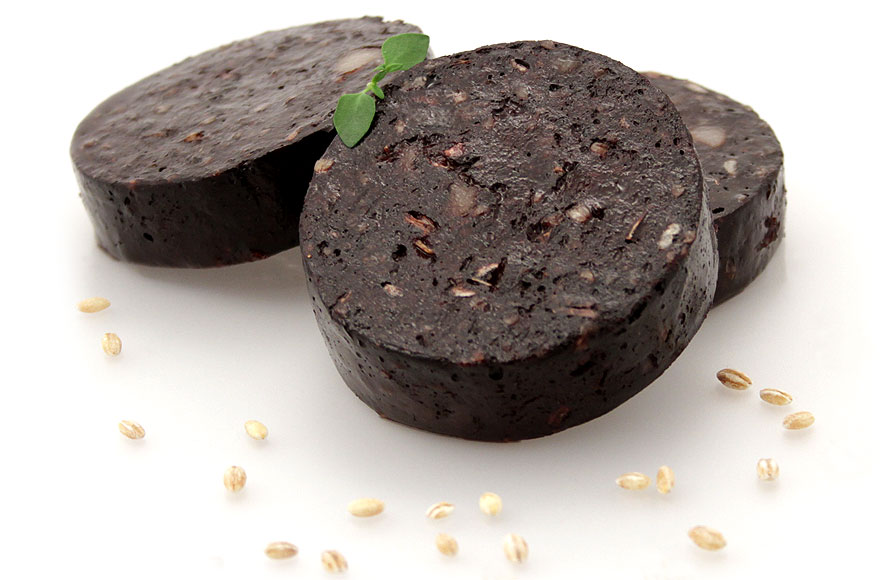
Transitioning from haggis, we encounter black pudding, a type of blood sausage crafted primarily from pig’s blood, fat, and various cereals such as oats or barley. This age-old delicacy often arouses curiosity due to its unconventional ingredients but promises a taste experience that is rich, tantalising, and entirely unique.
Characterised by its deep, dark hue, black pudding possesses a silky texture that gives way to a robust umami flavour. The essence of black pudding is predominantly savoury, enhanced further by spices such as thyme and pepper, which invigorate the palate. Although sometimes regarded as a controversial dish, when pan-fried, black pudding develops a crispy exterior while maintaining a succulent interior, ideally complementing a full English breakfast or standing alone as a gourmet delicacy.
Nutritional Insights: A Deeper Dive
Turning our attention to the nutritional profiles of haggis and black pudding, we find much to appreciate. Haggis is surprisingly rich in protein, providing a good source of iron, zinc, and various B vitamins. Its oatmeal base introduces dietary fibre, promoting digestive health and a sense of fullness. These nutritional components make haggis a hearty meal fit for both the working man and the refined palate.
Conversely, black pudding also assures an impressive nutritional standing. It is a formidable source of protein and iron, essential for maintaining energy levels and supporting overall health. The high iron content makes it particularly beneficial for those prone to anemia. However, it is worth recognising that black pudding is not without its culinary controversy, as it can be high in saturated fat and sodium, and moderation is advised.
Cultural Symbolism and Heritage
Beyond their flavour and nutrition, haggis and black pudding are steeped in cultural significance. Haggis is often referred to as the ‘national dish of Scotland,’ celebrated during the annual Burns Night festivities every January 25th. This event serves not only as a culinary feast but also as a celebration of Scottish heritage, poetry, and camaraderie. The recitation of the ‘Address to a Haggis’ marks the moment of honouring this cherished dish, with attendees raising a toast to Scottish culture and tradition.
Black pudding, while perhaps less lauded, has found its place in the hearts (and bellies) of many around the UK. Often showcased at breakfast tables and featuring in a myriad of recipes, it has transcended its roots to become a beloved staple. The dish embodies the resourcefulness of traditional cooking practices, providing sustenance from ingredients that might otherwise go to waste.
Getting Creative: Culinary Adventures Await
For those who prefer to get a little creative in the kitchen without embarking on an intensive journey, melding haggis or black pudding with modern techniques can yield exciting results. Think haggis-stuffed mushrooms or black pudding scotch eggs; these innovative takes can reinvigorate family gatherings and dinner parties with a hint of the extraordinary.
A Culinary Conclusion
Ultimately, haggis and black pudding invite us to savour more than just food; they encourage us to embrace the history and culture they embody. Whether enjoyed during festive occasions or incorporated into everyday meals, these dishes act as a testament to the rich tapestry of British culinary tradition. So, the next time you encounter haggis or black pudding on your plate, consider not only the deliciousness before you but also the wealth of stories and heritage each bite represents.
FAQ
What is haggis?
Haggis is a traditional Scottish dish made from sheep’s pluck mixed with oatmeal and spices, encased in the sheep’s stomach.
What is black pudding?
Black pudding is a type of blood sausage made primarily from pig’s blood, fat, and cereals like oats or barley.
Are haggis and black pudding healthy?
Both dishes are rich in protein and iron, but moderation is advised due to their saturated fat and sodium content.
What is Burns Night?
Burns Night is an annual celebration of Scottish poet Robert Burns, featuring traditional foods like haggis.




Leave a Reply