Short Answer
Understanding the nuances of your septic tank and pump is not merely an exercise in plumbing knowledge; it’s an essential aspect of homeownership that safeguards both your property and the environment. This intricate system may seem daunting, but having a comprehensive grasp of how it works, associated costs, and maintenance requirements can transform the way you view sanitation. Let’s embark on a deep dive into the mechanics, costs, and upkeep of septic tanks and pumps.
1. What is a Septic Tank?
At its core, a septic tank is a subterranean chamber made from materials like concrete, fiberglass, or polyethylene. This subterranean marvel serves as a crucial component of a decentralised wastewater treatment system. It collects domestic wastewater from toilets, sinks, and showers, allowing solids to settle at the bottom and forming a sludge layer while oil and grease float to the top as scum.
The space in between becomes a cesspool for anaerobic bacteria, which breaks down the organic matter, ensuring that only clarified effluent flows out into the drain field, where filtration and additional treatment occur. This natural filtration process showcases the impressive synergy between human technology and nature’s inherent capabilities.
2. The Role of the Septic Pump
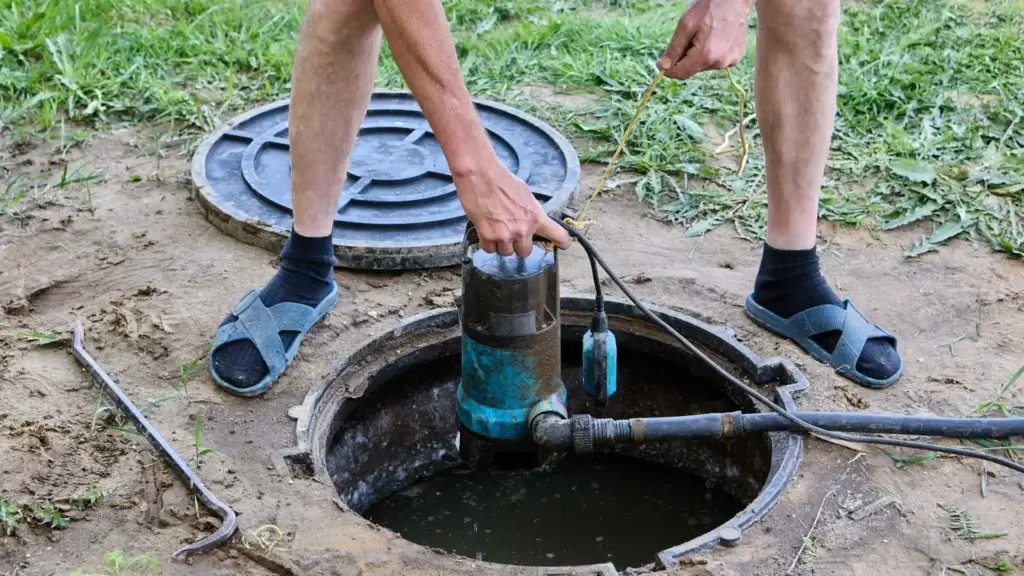
While the septic tank is vital, the septic pump is equally paramount. Not all septic systems require a pump, but if your property is located in an area with sloping terrain or if the tank is situated below the drain field level, a pump is essential for transporting effluent to its next destination.
Typically, a submersible pump is installed within the tank, activating automatically as the wastewater level rises. This pump’s task is to propel the effluent through the drain field, ensuring an even distribution that optimises filtration and prevents surges of untreated liquid from entering the environment. Its functionality is indispensable, yet many homeowners remain blissfully unaware of its existence—until something goes awry.
3. Costs Associated with Septic Tanks and Pumps
Understanding the financial implications is pivotal when considering a septic system. The investment can vary widely based on multiple factors like the type and size of the system, local regulations, and installation complexities. Installing a standard septic tank can range from £3,000 to £8,000, which includes excavation, materials, and labour. Added factors such as the need for a pump, site preparation, and permits may further inflate this figure.
Once installed, ongoing costs should not be overlooked. Regular maintenance, incorporation of pumping services, and occasional repairs can accrue costs of £100 to £500 annually, depending on the service provider and the frequency of intervention required. It’s vital to consider these long-term expenses, making sure to budget appropriately for the longevity and efficiency of your system.
4. Maintenance Tips: Ensuring Longevity and Efficiency
An often-overlooked aspect of owning a septic system is its maintenance. However, a proactive approach can stave off major expenses and prolong the life of both your tank and pump.
- Regular Pumping: The frequency of pumping depends on tank size and household usage. A general rule of thumb is pumping every 3 to 5 years. Keeping the sludge and scum levels in check is essential in preventing clogs.
- Mind Your Waste: Avoid flushing non-biodegradable items, such as wipes or feminine hygiene products, down the toilet. These can create blockages and lead to detrimental consequences for both your tank and pump.
- Protect the Drain Field: The area above your drain field should remain undisturbed. Avoid parking vehicles or planting trees and shrubs, as roots can infiltrate and disrupt the system.
- Watch Water Usage: Excessive water usage strains the system. Consider water-efficient fixtures and practices to ensure a sustainable approach to wastewater management.
- Regular Inspections: Employ a professional to inspect your septic system regularly. This foresight can identify potential problems before they escalate into costly repairs, preserving not only your finances but also your peace of mind.
5. The Environmental Perspective
Delving into the environmental angle regarding septic tanks unveils a narrative that is both compelling and reassuring. Properly maintained septic systems can effectively breaking down waste and reintroducing treated water into the soil contributes positively to groundwater replenishment. Thus, understanding how your system operates empowers you to be an eco-conscious homeowner actively participating in a sustainable lifestyle.
6. Conclusion: A Shift in Perspective
The nuances of septic tanks and pumps transcend their roles as mere plumbing components. They embody a harmonious relationship between human habitation and the environment, one that requires respect and diligent maintenance. As the owner of a septic system, embracing this responsibility fosters not only a functioning home but also a commitment to ecological sustainability.
By equipping yourself with knowledge about operational principles, associated costs, and best maintenance practices, you are not just a passive observer—you are an informed guardian of an intricate system that lies just beneath your feet. This awareness promises not just the prevention of calamity, but a newfound curiosity and appreciation for the subtleties of modern sanitation. So, the next time you flush or shower, remember the sophisticated system working tirelessly to preserve your comfort and the planet’s integrity.
FAQ
How often should a septic tank be pumped?
A septic tank should generally be pumped every 3 to 5 years, depending on tank size and household usage.
What are common costs associated with septic systems?
The installation of a standard septic system can range from £3,000 to £8,000, with annual maintenance costs typically between £100 to £500.
What should not be flushed down a septic system?
Avoid flushing non-biodegradable items such as wipes and feminine hygiene products to prevent clogs.


Leave a Reply